The Styrian
Pumpkin Seed Oil Journal
The Styrian
Pumpkin Seed Oil Journal
- The Styrian Pumpkin Seed Oil Journal
Shop EN
pumpkinseedoil.ccShop DE
kuerbiskernoel.cc
About
This website also contains some content created with the support of AI.
Side Effects and Cautions
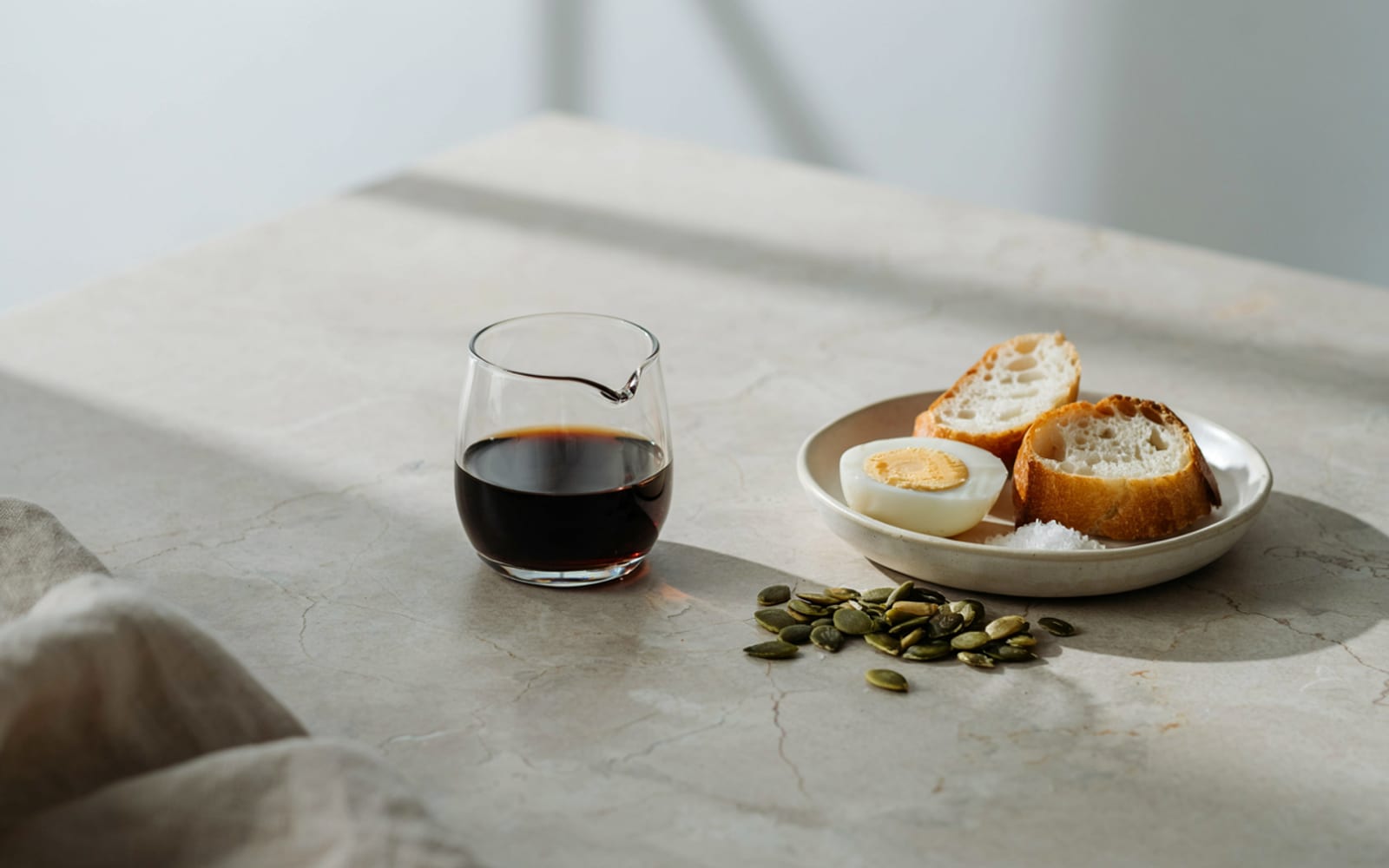
Pumpkin seed oil is a food, and for most people using it in ordinary culinary quantities it is unremarkable from a safety standpoint — it is consumed regularly across Central Europe without incident, and used as a kitchen ingredient it belongs in the same general risk category as any other culinary oil. But like any concentrated fat source, and particularly when used as a supplement in larger daily doses, it comes with genuine considerations that are worth knowing before starting. None of what follows is a reason to avoid it in normal cooking quantities; some of it is a reason to be thoughtful about dose, individual circumstances, and the contexts in which it is less appropriate.
Culinary Amounts Versus Supplement Doses
Almost everything in this article scales with dose. A teaspoon or two used to finish a salad behaves differently in the body than two or three tablespoons taken daily as a supplement, and most of the cautions below become more relevant, not less, as the amount increases. Keeping that distinction in mind while reading is the single most useful filter for deciding how much of this applies to any one person's routine.
Digestive Effects
The most commonly reported issue with pumpkin seed oil — particularly when introduced suddenly at supplement doses of a tablespoon or more per day — is digestive discomfort: loose stools, nausea, a feeling of heaviness in the stomach, or cramping. These effects are not specific to pumpkin seed oil; they are a common response to any dietary oil when the gut encounters it in larger amounts than it is accustomed to, and they typically resolve if the dose is built up gradually over a week or two rather than introduced all at once. Starting with a teaspoon per day and increasing slowly is the practical approach for anyone using the oil as a supplement rather than a kitchen condiment. The full guide to sensible dosing and timing is in How to Take Pumpkin Seed Oil.
Allergic Reactions
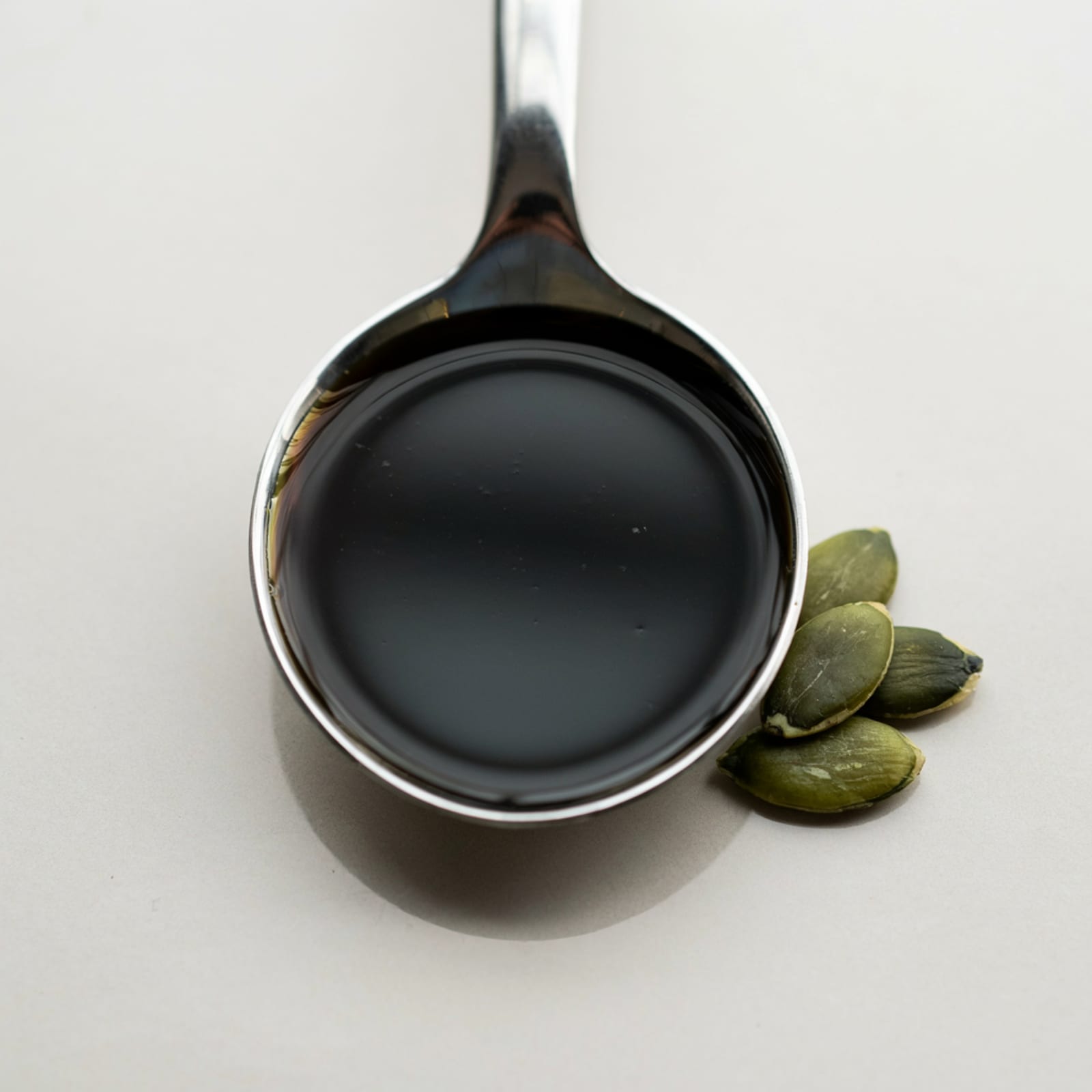
Pumpkin seed allergy is uncommon but real, and the oil can cross-react with related cucurbit seeds — melon, cucumber, squash, courgette — or, in individuals who are broadly sensitised, with certain tree nuts and seeds. Symptoms of an allergic response can include skin rashes, urticaria, itching in the mouth or throat, digestive upset, or in rare and severe cases, anaphylaxis. Anyone with a known sensitivity to seed or cucurbit allergens should introduce pumpkin seed oil with caution and be alert to reactions in the early stages. If itching, swelling, a rash, or any difficulty breathing occurs after using the oil, it should be stopped immediately and medical advice sought. The long traditional use of the oil as a regional food is not a guarantee of individual tolerability.
Caloric Density
Like all oils, pumpkin seed oil is calorically dense — approximately 120 kilocalories per tablespoon, identical to olive oil, butter, or any other culinary fat. This is worth noting because supplement-oriented discussions often frame the oil as a health product in a way that obscures its caloric contribution. Using two or three tablespoons per day as a supplement adds 240 to 360 calories to the diet — a meaningful amount for anyone managing their total caloric intake. The specific caloric profile and nutritional breakdown are covered in Calories and Nutritional Composition.
Specific Groups and Interactions
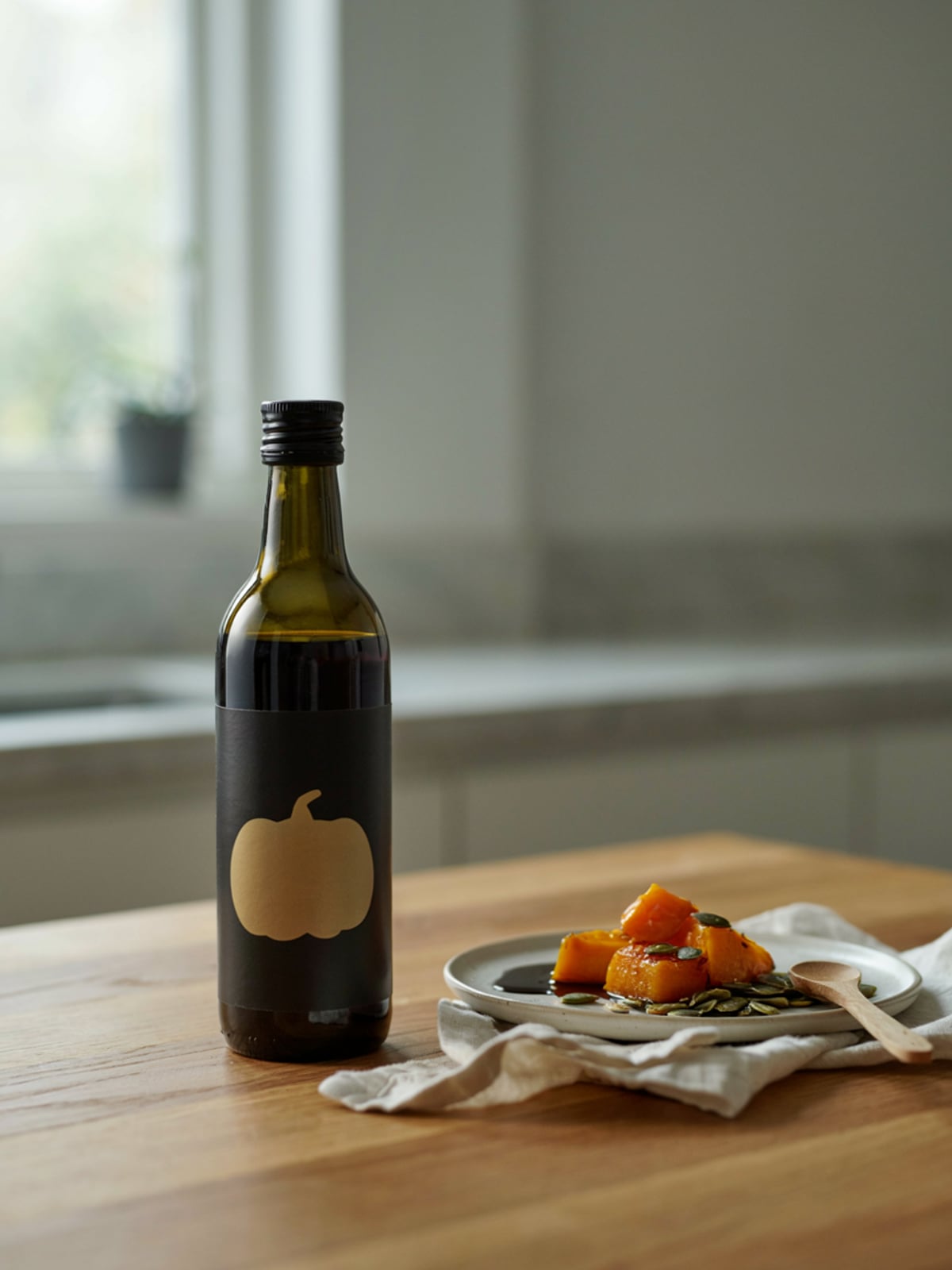
In culinary quantities, pumpkin seed oil is not known to interact meaningfully with common medications. At higher supplemental doses — the kind promoted in some wellness contexts — the picture is less well studied. Its potential modest effect on blood pressure, cited as a benefit in some traditional claims, could theoretically be relevant for people already taking antihypertensive medication, though the evidence for a clinically significant effect is not strong enough to treat this as a confirmed interaction risk in practice. People with gallbladder disease or those who have had their gallbladder removed sometimes find that high-fat foods or oils generally worsen their symptoms; pumpkin seed oil is not exceptional in this respect but is a significant source of fat. Pregnant and breastfeeding women are generally advised to keep supplemental oil intake conservative in the absence of specific safety evidence. The broader critical view of where pumpkin seed oil benefits are overstated and where genuine caution is warranted is in the criticism section.
When to Stop and Ask a Doctor
None of the effects described above are common in someone using the oil the way it is traditionally used — a drizzle here and there. But a few signs are always worth treating as a stop-and-ask-a-doctor moment rather than something to wait out: any sign of an allergic reaction, digestive symptoms severe enough to disrupt daily life, or new symptoms in someone already managing a chronic condition such as gallbladder disease or a bleeding disorder. This journal can explain the research; only a doctor can apply it to an individual health picture. Site-wide disclaimer information is available in the disclaimer section.
Health notice: This page discusses topics related to health research and tradition. It is not medical advice. Do not use it to diagnose, treat, cure, or prevent any disease. Talk to a qualified healthcare professional before changing your diet or supplements.
Buy the original Styrian pumpkin seed oil
Shop now