The Styrian
Pumpkin Seed Oil Journal
The Styrian
Pumpkin Seed Oil Journal
- The Styrian Pumpkin Seed Oil Journal
Shop EN
pumpkinseedoil.ccShop DE
kuerbiskernoel.cc
About
This website also contains some content created with the support of AI.
Where to Buy Authentic Styrian Pumpkin Seed Oil
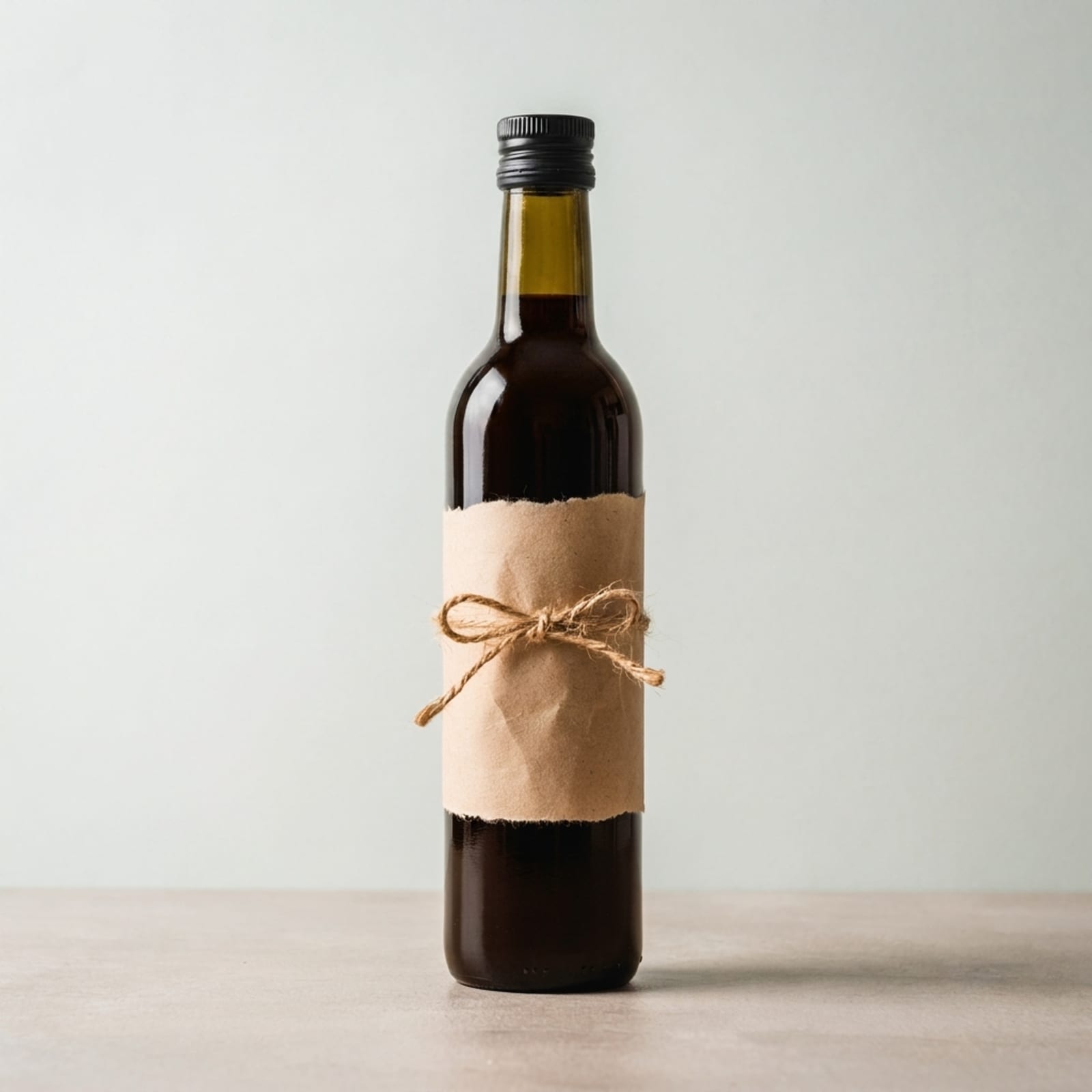
The Styrian Pumpkin Seed Oil Journal is an editorial journal, not a shop. We do not process orders, hold inventory, or handle shipping. What we do is point you confidently toward the right place to buy: the online shop at pumpkinseedoil.cc, which sources authentic Styrian pumpkin seed oil PGI directly from the producing region. Before you order, the quality and authenticity guide and the PGI explanation help you read labels with confidence.
Why Source Matters More Than You Think
The market for pumpkin seed oil has grown considerably in recent years, and not all of that growth has been accompanied by quality. Products sold under similar names — sometimes labelling themselves as "Styrian style" or simply "pumpkin seed oil" without specifying origin — may be pressed from different cultivars, grown outside the protected zone, or blended with cheaper oils without explicit disclosure. The price differences between these products and genuine PGI oil can be significant, and the flavour, aroma, and nutritional profile differences are equally real.
Authentic Styrian Pumpkin Seed Oil PGI carries an EU quality seal that ties the product to a specific geographical area, a specific cultivar, and a specific set of production rules. That seal is your guarantee that what is in the bottle is what is claimed on the label.
What You Will Find at pumpkinseedoil.cc
The shop carries PGI-certified Styrian pumpkin seed oil sourced from established Styrian mills. The product is available in standard bottle sizes, with clear information on the producer, the harvest region, and storage guidance. Orders are dispatched directly, and the supply chain is short enough that you can trace the oil back to its origin.
Recognising Quality Before You Buy
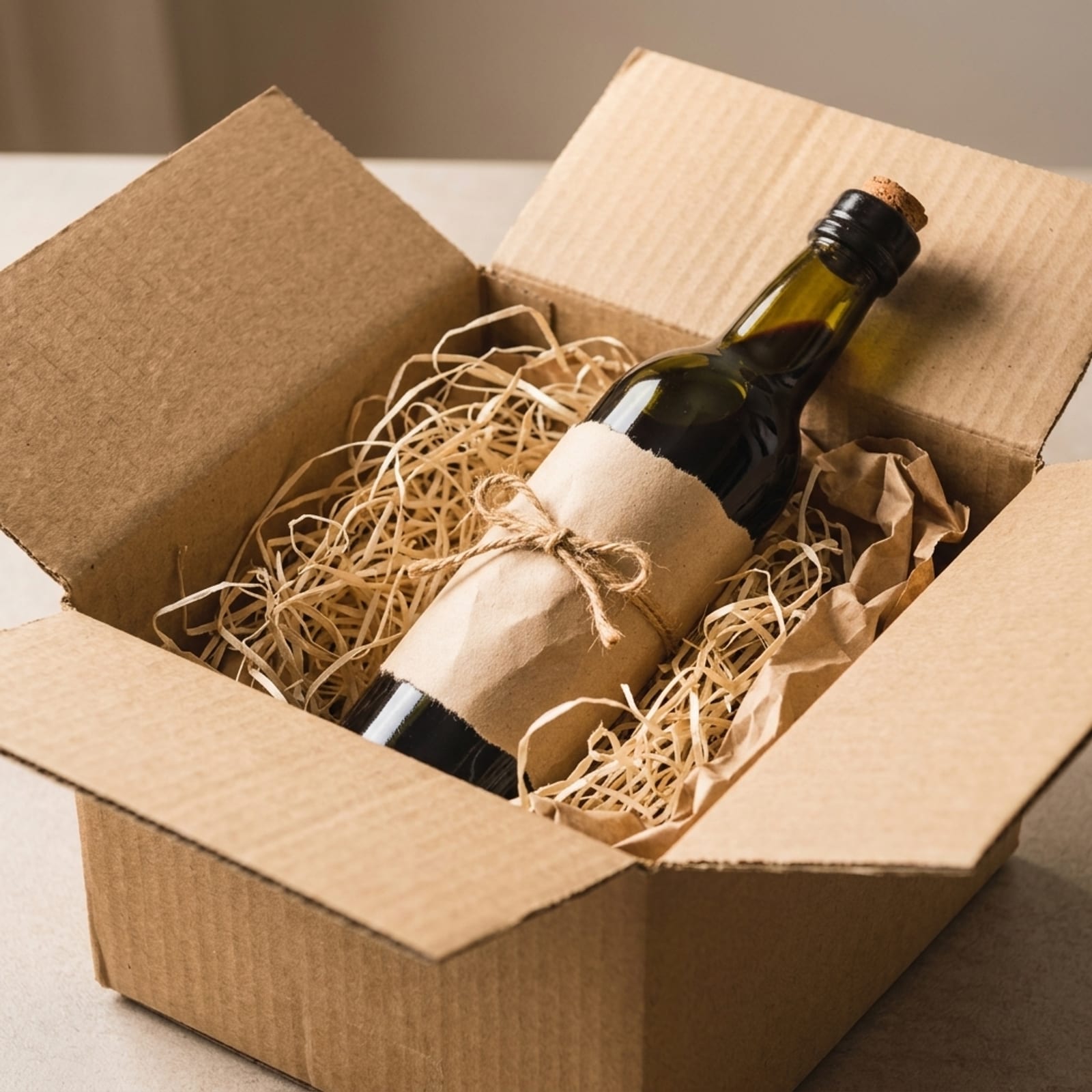
Even without tasting, there are reliable cues. Genuine Styrian PGI oil will display the EU Protected Geographical Indication logo and the regional quality mark. The label will name the specific producing mill or bottler, not just a generic brand. Price is also informative: a litre of properly produced Styrian oil requires roughly three to four kilograms of seeds, careful roasting, and cold pressing — that process has a real cost, and prices significantly below the regional average should prompt questions.
In the bottle, the colour should be very deep — nearly black when viewed through the glass, and a translucent brick-red or garnet when held up to a light source. The aroma should be nutty, roasted, and clean. A thin, pale, or odourless oil is almost certainly not authentic Styrian PGI.
Shelf Life and Packaging
Buy in a size that you will use within three to six months of opening. The high polyunsaturated fat content means the oil does not keep indefinitely once exposed to air. Smaller bottles or purchases timed to your consumption rate make more sense than buying in bulk unless you cook with the oil very frequently. Dark glass bottles are preferable to clear ones for keeping light exposure low.
A Note on Freshness
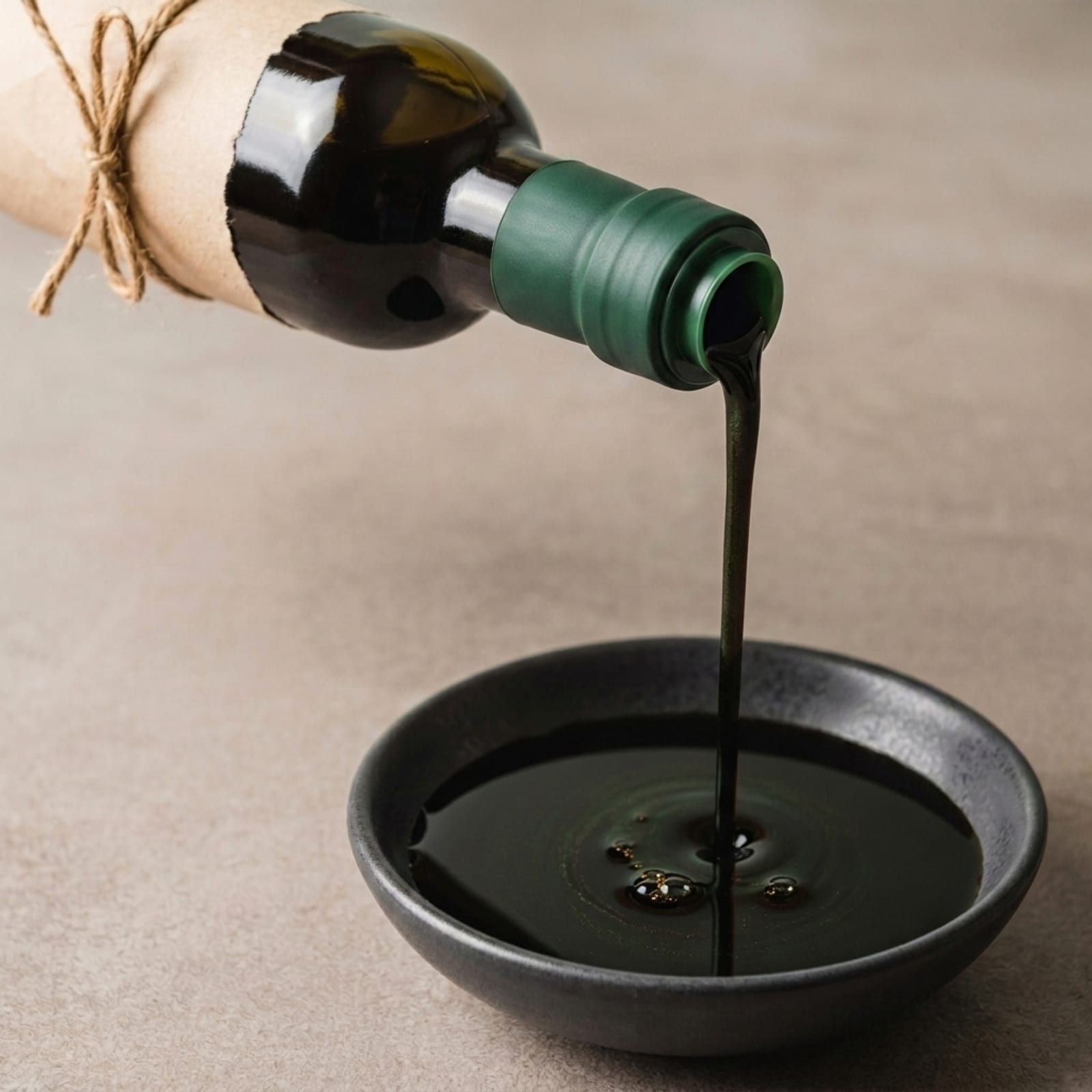
Like a good olive oil, pumpkin seed oil is a fresh agricultural product, not an ambient staple. The difference between oil from the current season and oil sitting in warehouse stock for eighteen months is noticeable. The shop at pumpkinseedoil.cc sources to order and keeps turnover high, which is one of the practical advantages of buying from a specialist channel rather than from a general food retailer with uncertain stock rotation.
If you have questions about specific products, bottle sizes, shipping destinations, or corporate purchases, use the contact form on the shop site directly. For questions about the editorial content on this journal — the research, the culinary information, or the quality guidance — use the contact details in the imprint of this site. The two operations are separate, and directing your question to the right place will get you a faster and more useful response.
International Shipping
The shop at pumpkinseedoil.cc ships to multiple countries across Europe and beyond. Packaging for the oil is designed to protect the dark glass bottles during transit, and orders are fulfilled directly from Austria. Delivery times and shipping costs vary by destination and are confirmed at checkout. Buying directly from a source close to the producing region also minimises the time the oil spends in an uncontrolled warehouse environment, which matters for a fresh, high-polyunsaturated-fat product that benefits from cool, dark storage.
Buy Styrian pumpkin seed oil worth tasting
Go to shop