The Styrian
Pumpkin Seed Oil Journal
The Styrian
Pumpkin Seed Oil Journal
- The Styrian Pumpkin Seed Oil Journal
Shop EN
pumpkinseedoil.ccShop DE
kuerbiskernoel.cc
About
This website also contains some content created with the support of AI.
How to Take Pumpkin Seed Oil
Health notice: This page discusses topics related to health research and tradition. It is not medical advice. Do not use it to diagnose, treat, cure, or prevent any disease. Talk to a qualified healthcare professional before changing your diet or supplements.
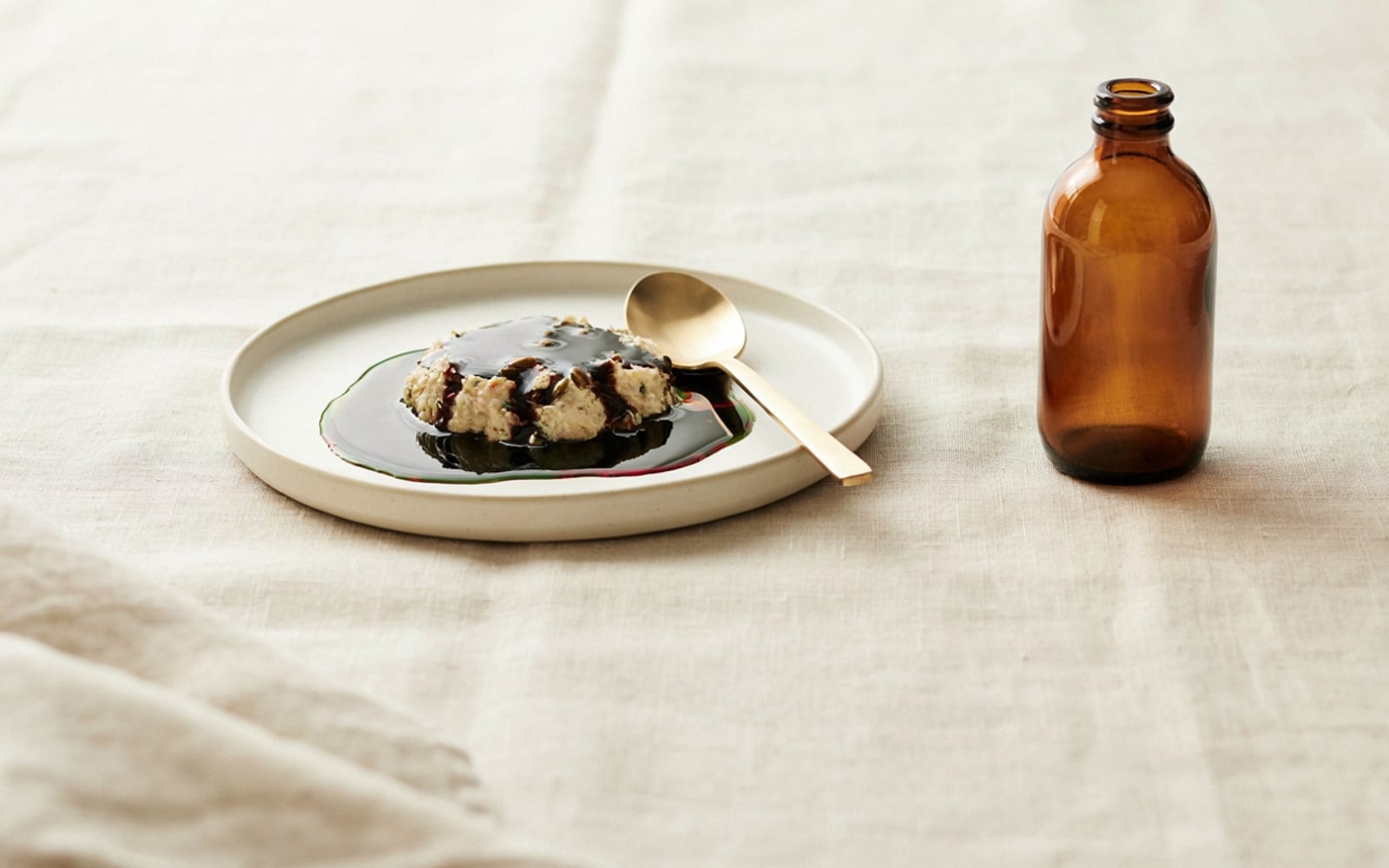
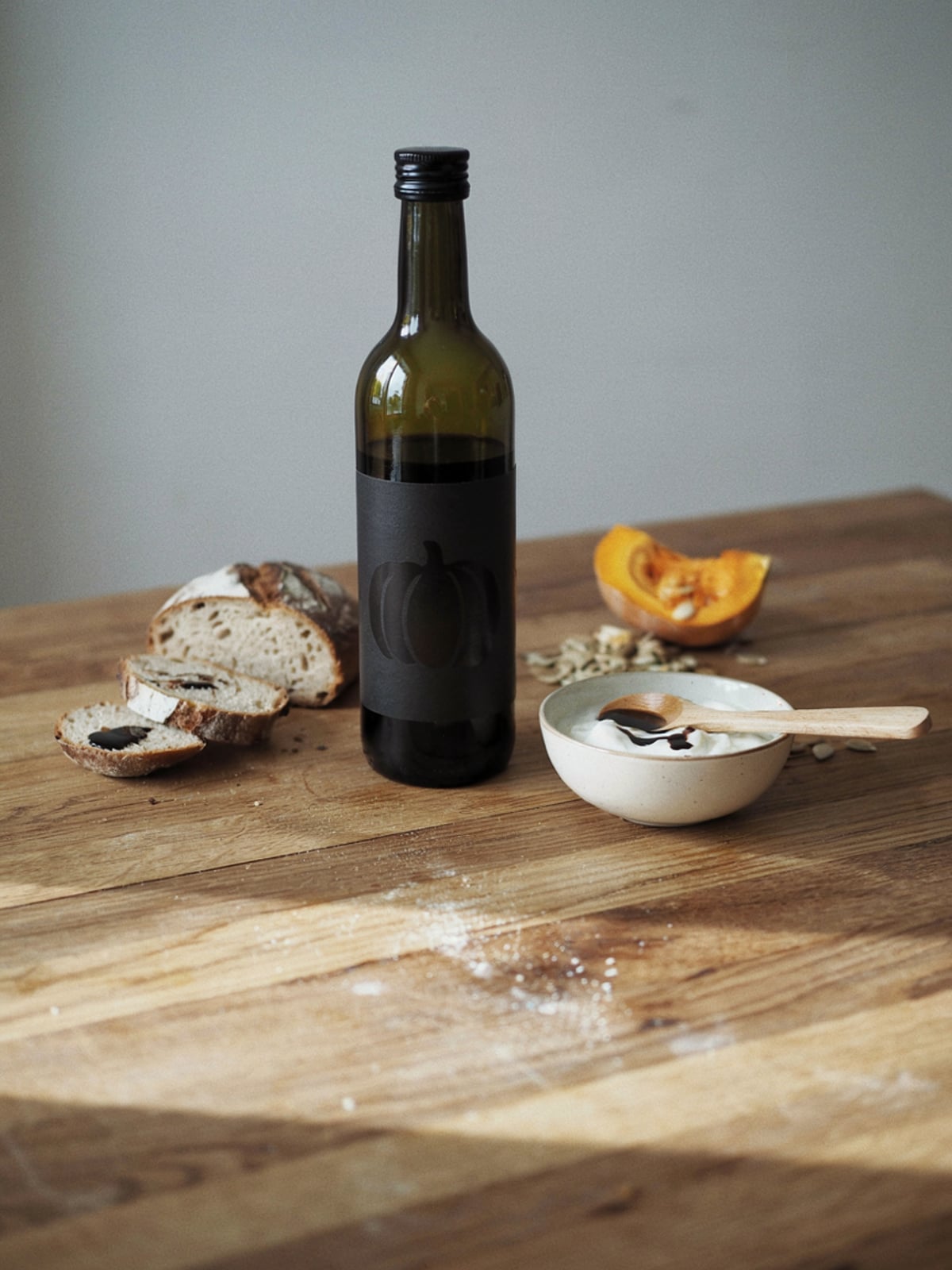
In the morning, the bottle usually still sits closed on the shelf. Not until lunchtime soup does the first splash arrive — a quick tilt of the hand, a dark blob spreading through the broth. Anyone who wants to bring pumpkin seed oil into everyday life more regularly runs quickly into a practical question: how much, when, and in what form? There is no single official answer. But the way the oil is traditionally used in Austrian kitchens does point to a few reliable, everyday-friendly habits.
As Food, Not as a Capsule
The most important starting point: Styrian pumpkin seed oil is, first and foremost, a cooking oil, meant for finishing and flavouring dishes — not a concentrated supplement in capsule form. Treating it in that role, as an ingredient rather than a preparation, lands you almost automatically at sensible amounts, simply because you use it the way you would any other strongly flavoured finishing oil.
Typical Everyday Amounts
Typical use runs to one or two tablespoons a day, spread across one or more meals — a splash over the lunchtime soup, another over the evening salad. That amount comes from kitchen practice, not from a fixed scientific dose. More is not automatically better: the flavour is intense, and larger amounts quickly overwhelm the rest of a dish without adding any further benefit.
Straight from the Spoon or Over Food
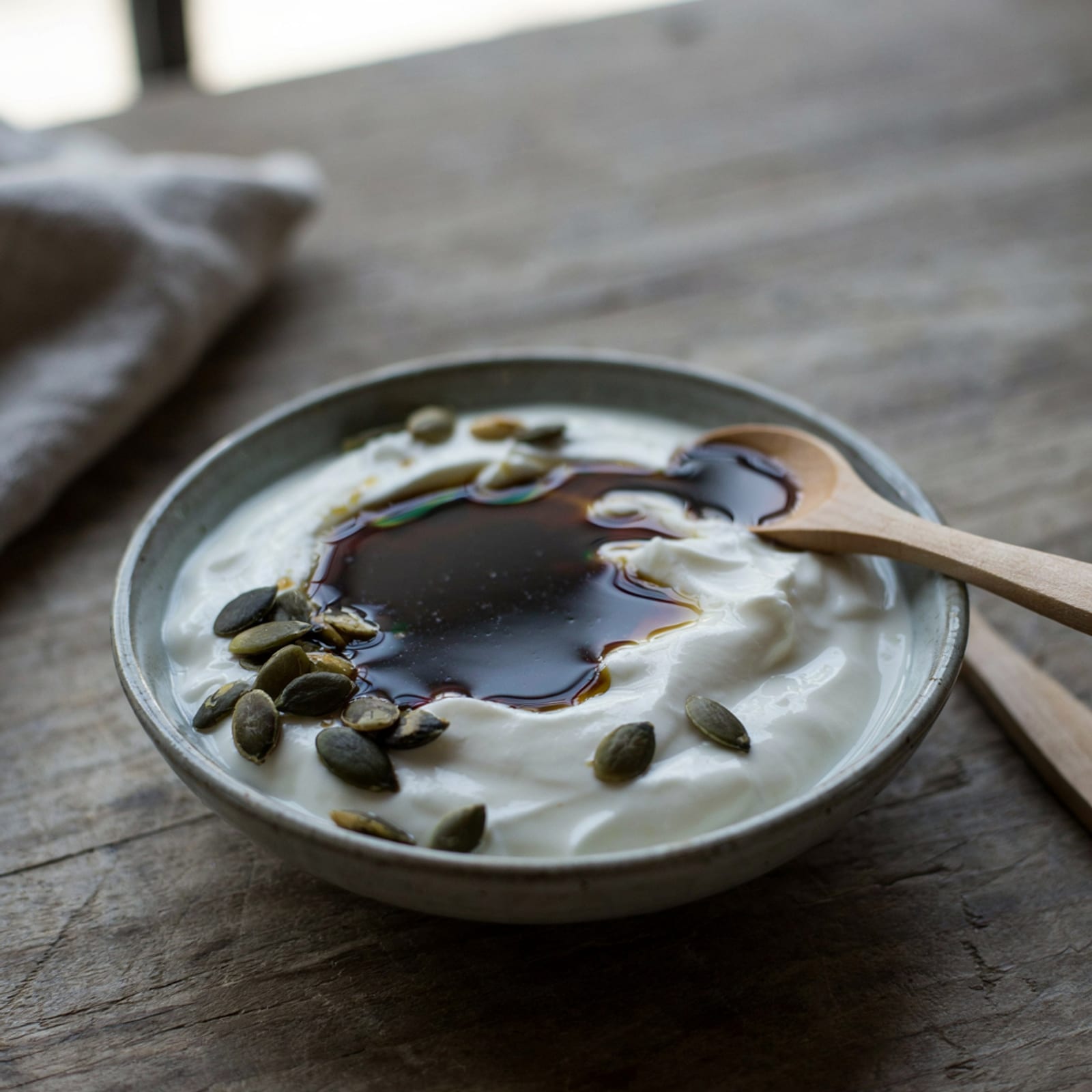
Some people take a tablespoon of oil directly, the way others occasionally take a spoonful of cod liver oil or olive oil neat. Doing so delivers the full, roasted-nutty flavour immediately, unfiltered and intense. That is harmless, but by no means necessary — spread over food, the oil delivers exactly the same amount, usually with a far more pleasant taste. The kitchen section collects ideas for working the oil unobtrusively into ordinary meals.
The Best Time of Day
There is no scientifically proven optimal time to take the oil, but from a practical standpoint, there is a case for taking it with meals rather than on an empty stomach. As a fat, it is absorbed alongside a meal's other fat-soluble nutrients, and the strong flavour comes across better with food than on its own. Anyone who likes a fixed routine can simply attach the oil to an existing meal — always over the evening soup, say — rather than treating it as a separate step in the day.
What You Should Know About the Effects
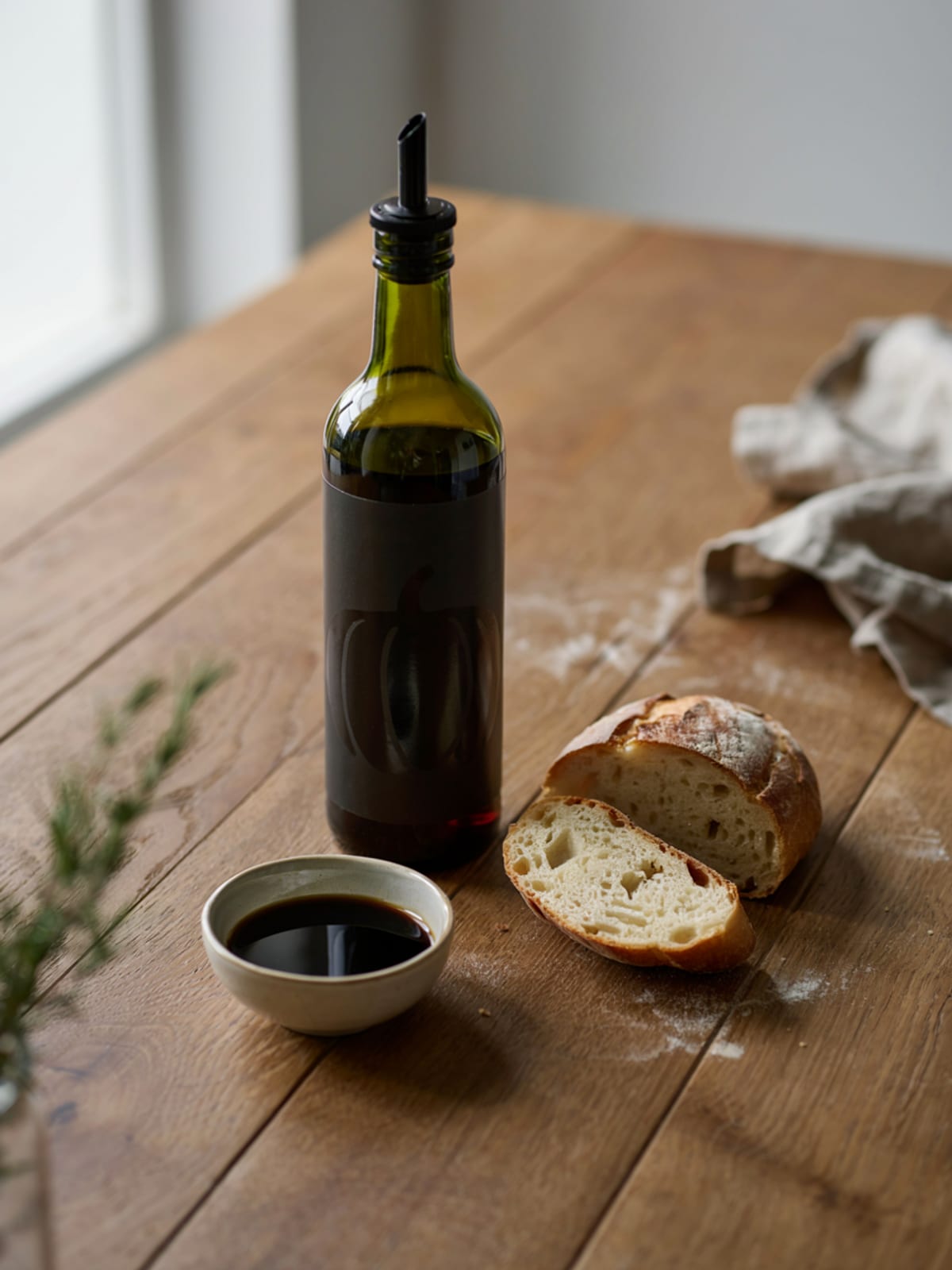
Pumpkin seed oil is traditionally linked to a range of effects, particularly around prostate and bladder health, and some of its compounds have been studied scientifically. The effects overview gives a realistic picture of that research, limits included, while the evidence overview summarises the wider picture. None of these connections change the basic intake advice — moderate, everyday amounts as part of a varied diet remain the sensible starting point.
Consistency Matters More Than Amount
If a specific effect is the actual motivation for taking the oil, regular use over weeks or months, in a reasonable amount, generally counts for more than occasional large portions. A bottle opened reliably every few days serves that purpose more reliably than one left untouched for weeks and then used heavily all at once. In the evening, when the last spoonful goes over the salad, that is really the whole point: not the single grand gesture, but the small, recurring habit — easiest to keep up when it is tied to an existing routine rather than a separate reminder that is easy to forget.
Taste authentic Styrian pumpkin seed oil
Shop now