The Styrian
Pumpkin Seed Oil Journal
The Styrian
Pumpkin Seed Oil Journal
- The Styrian Pumpkin Seed Oil Journal
Shop EN
pumpkinseedoil.ccShop DE
kuerbiskernoel.cc
About
This website also contains some content created with the support of AI.
Pumpkin Seed Oil for Anti-Aging
Cosmetic notice: Cosmetic use only — not a medicine. Patch-test on a small skin area first. Stop use if irritation occurs.
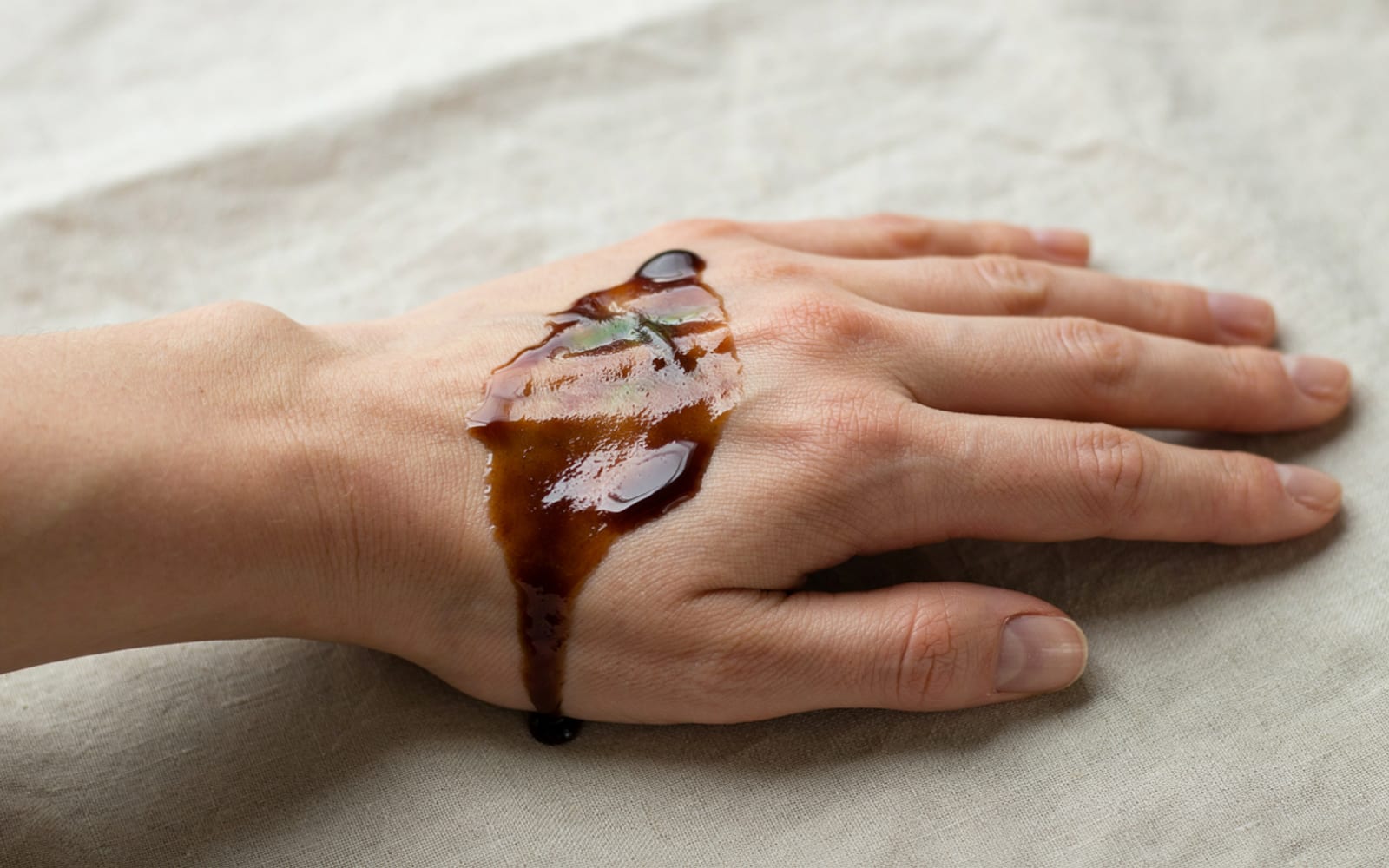
Pumpkin seed oil contains vitamin E and other antioxidant compounds — that makes it an interesting care oil, but not a remedy for ageing itself. Pumpkin seed oil stays a characterful food made from roasted kernels, not a medicine. Especially with skincare promises, it is worth cleanly separating an enjoyable kitchen product, early research angles, and an actual skin treatment.
What a Rich Oil Actually Does on Skin
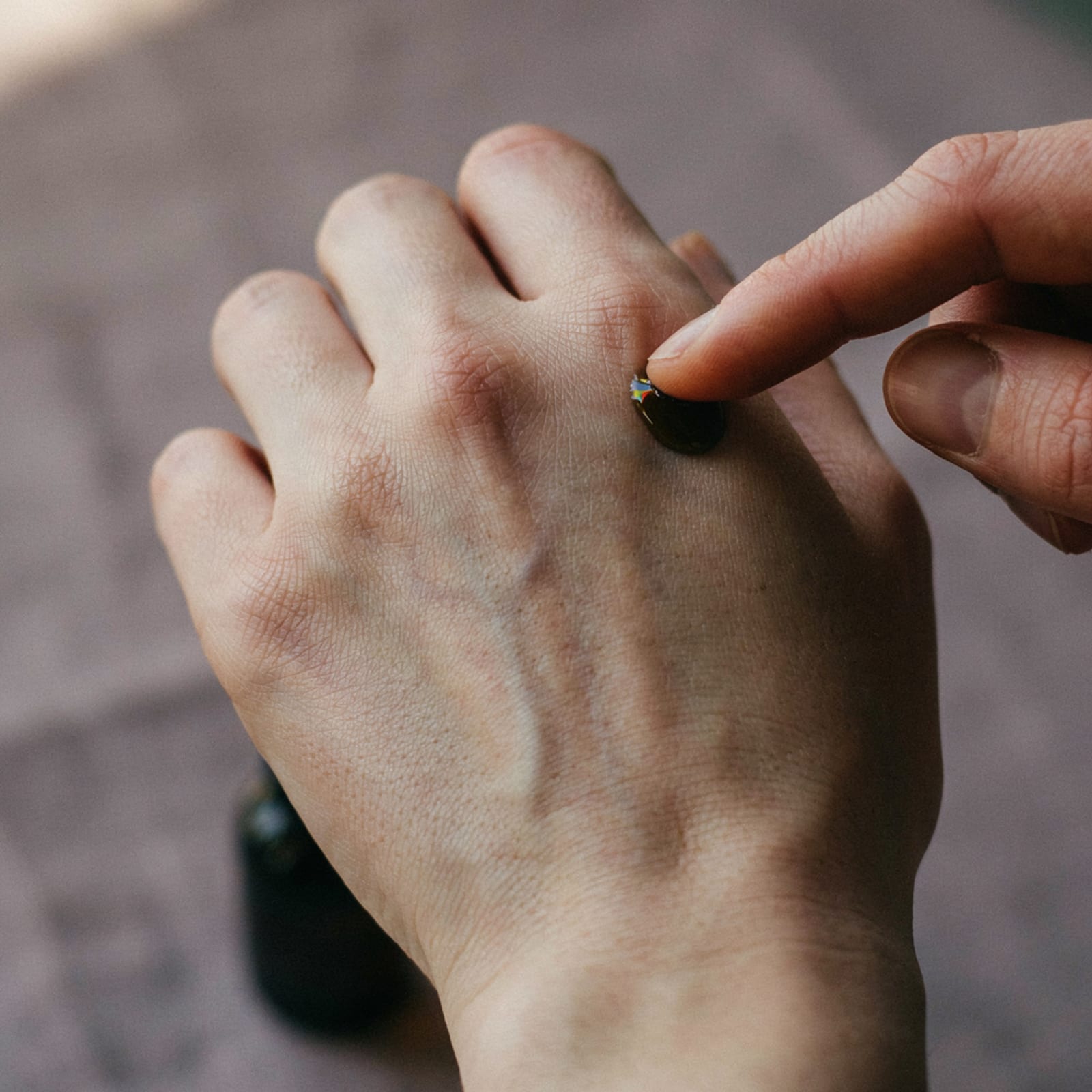
As a rich oil, it can make dry skin surfaces look smoother and visually soften fine, dryness-related lines. That is a cosmetic, immediate surface effect — not structural skin rejuvenation. Headlines and product descriptions tend to shorten the research here more than the data actually supports.
Kernel, Extract, and Oil Are Not the Same Thing
When studies examine pumpkin products, the form used decides how much weight the result carries. Whole kernels bring fibre, protein, and minerals with them. Extracts are concentrated and dosed in fixed amounts. The culinary oil on skin or on a plate, by contrast, is mostly fat and fat-soluble companion compounds. Results found for kernels or capsules cannot simply be carried over — more on the components is on the composition of pumpkin seed oil page.
What Actually Carries a Skincare Routine
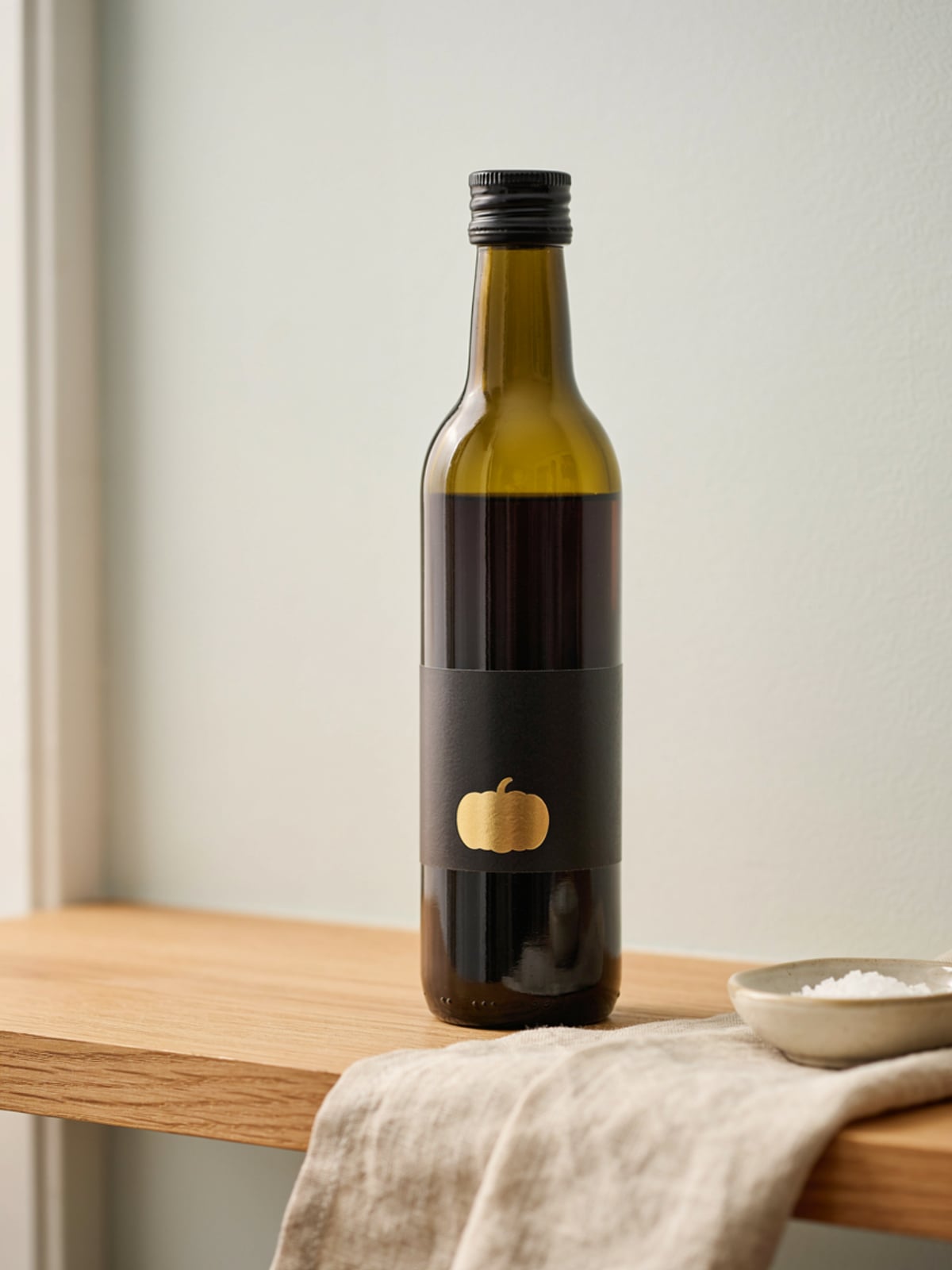
Serious skincare relies on sun protection, a suitable routine, and dermatological advice when there are complaints. An oil can pleasantly complement these building blocks, but it does not replace them. In everyday life, taste often matters too: small amounts are enough on potatoes, salad, vegetables, or a mild soup, since the oil is intense and energy-dense. More on that in the kitchen.
A Test Before the Whole Face Joins In
Anyone prone to blemishes or irritation should test the oil on a small patch of skin first. The amount your skin tolerates is often noticeably smaller than you would first assume. For acute or worsening symptoms, it makes more sense not to keep experimenting and instead to see a professional — someone who can tell apart causes that a general wellness article cannot recognise.
Where the Claim Reaches Its Limit
A plausible explanation or a single positive lab result is not yet a promise of healing. Reliable recommendations need several matching studies in humans, sensible amounts, and a benefit that is actually noticeable in daily life. Until then, the fair reading stays the same: pumpkin seed oil can pleasantly complement a skincare routine, but it does not replace treatment.
What Is Left in the End
Anyone interested in the health side overall will find further topics with the same careful perspective in the health overview. The best thing about the oil often remains the simplest: enjoy a good food consciously, store it fresh — and do not promise it more than research and everyday life actually deliver.
Shop small-batch Styrian pumpkin seed oil
Shop now