The Styrian
Pumpkin Seed Oil Journal
The Styrian
Pumpkin Seed Oil Journal
- The Styrian Pumpkin Seed Oil Journal
Shop EN
pumpkinseedoil.ccShop DE
kuerbiskernoel.cc
About
This website also contains some content created with the support of AI.
Tests, Awards, and Competition Winners
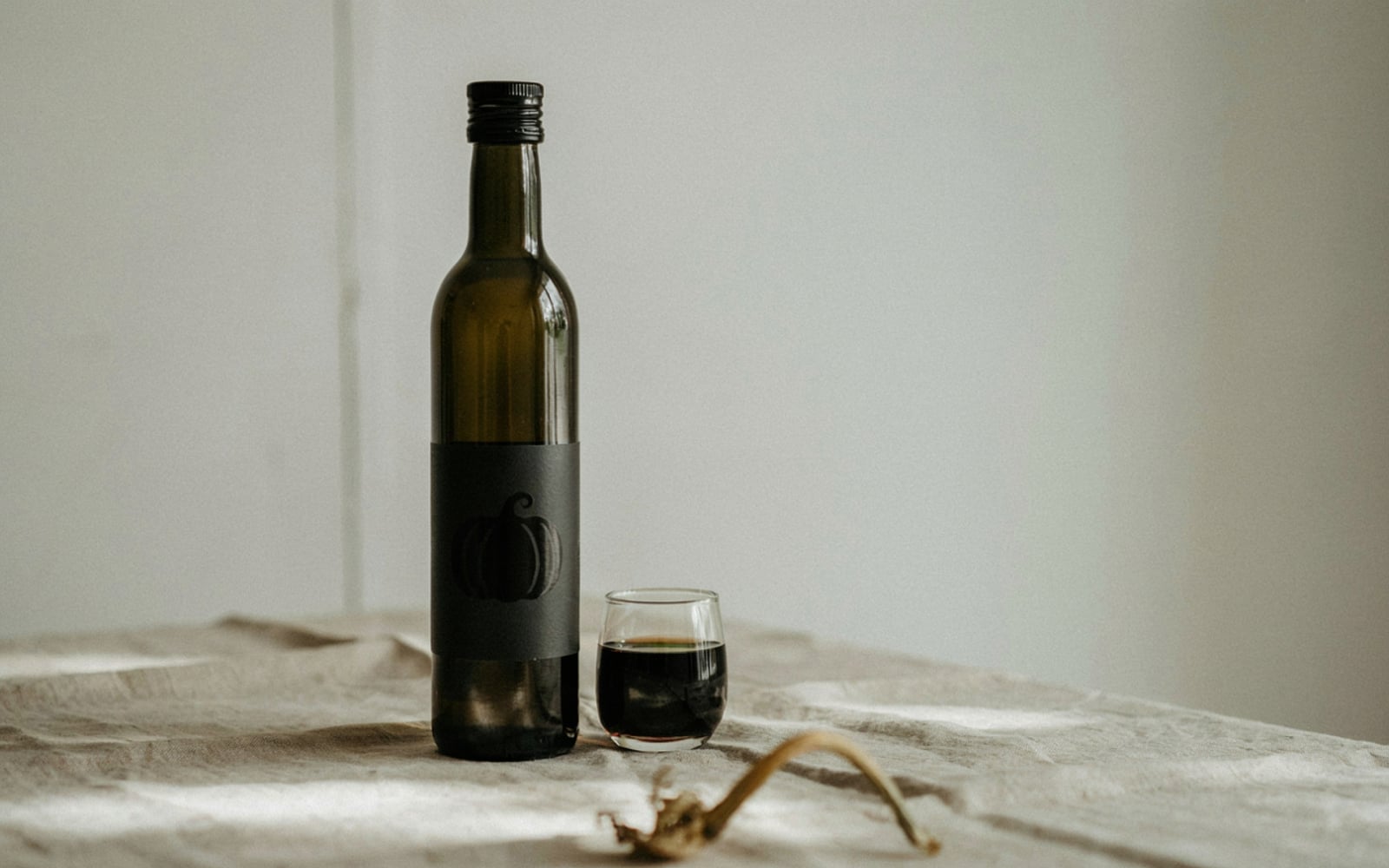
Quality claims on food labels range from legally meaningful to purely decorative, and pumpkin seed oil is no exception. A PGI seal, a gold medal from a competition, a "lab-tested" note, an organic certification: all of these can appear on the same bottle at once. Anyone who understands what each of these markers actually means — who awarded it, what it required — buys with considerably more confidence.
What gets measured in the lab
A sample sent to the lab goes through several measurements that together describe quality and freshness. Two of them are especially telling: free fatty acid content, sometimes expressed as acidity, and the peroxide value. Free fatty acids rise as the oil breaks down through hydrolysis — usually a result of poor raw material quality, water contamination, or long storage. The peroxide value measures primary oxidation products and shows how far along the oil already is on its way toward rancidity. In fresh, high-quality pumpkin seed oil, both values stay low.
What the numbers don't tell you
Further measurements round out the picture: the fatty acid profile itself — the shares of linoleic acid, oleic acid, and saturated fatty acids — which confirms the oil's botanical origin and can expose adulteration with cheaper oils, plus the anisidine value for secondary oxidation products and UV absorption readings like K232 and K270. These figures matter mostly to producers and inspectors, less to everyday buyers — but they're exactly what sits behind the quality assurance of a certified Styrian oil. What makes these tests relevant in the first place is explained under production. A number alone, though, says nothing about how the oil actually tastes — that calls for a different kind of test.
What a trained palate tastes
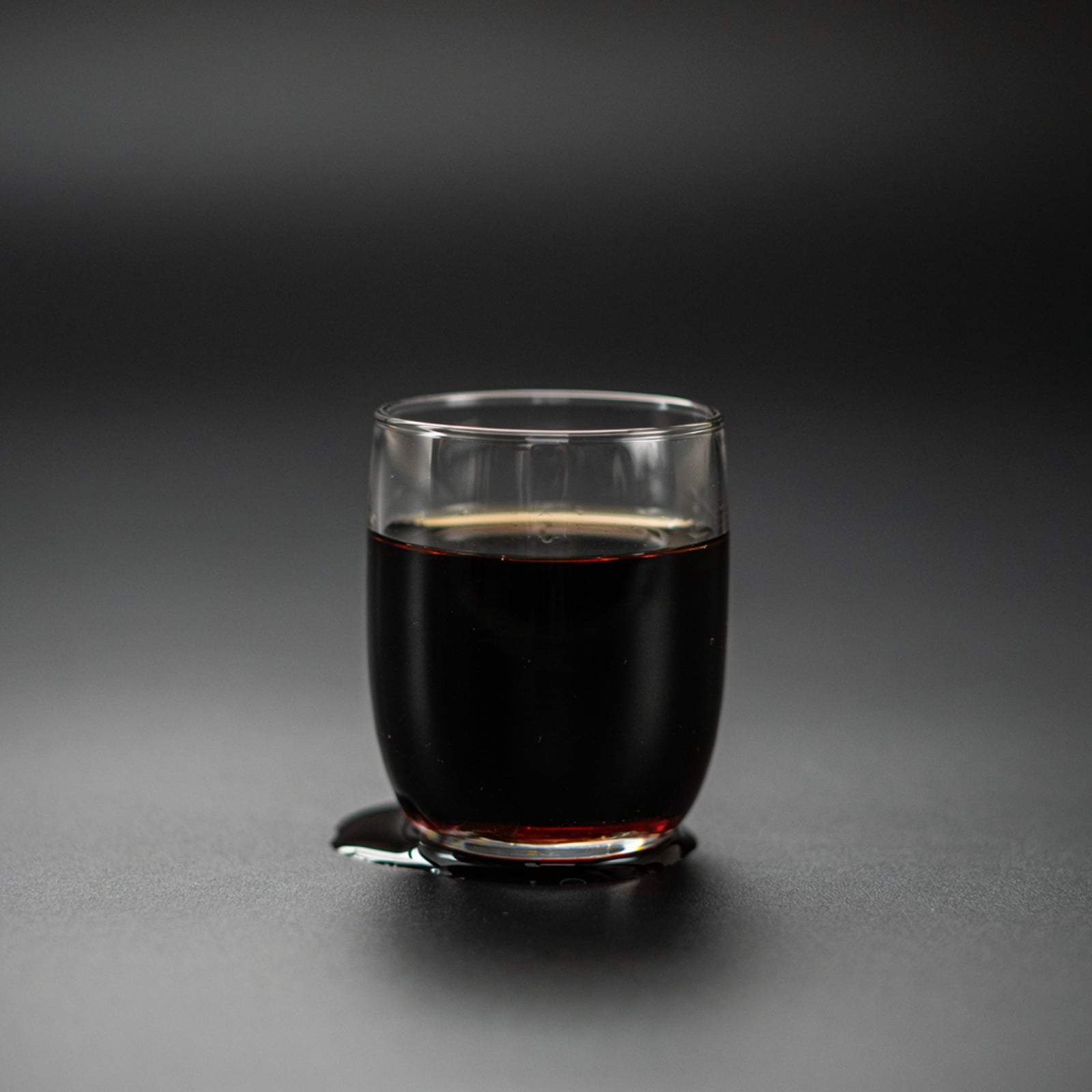
Alongside chemical analysis, a trained sensory panel sits down at the table. What gets judged: aroma — the characteristic roasted, nutty smell of genuine Styrian oil, and the absence of off-notes like mustiness, staleness, or rancidity — taste — depth and balance between roasted brightness and freshness, without bitterness or metallic notes — and visual appearance: the deep garnet-to-green colour, free of cloudiness or sediment that would signal contamination or degradation. What lab chemistry can't capture, this panel does: the subjective but entirely real experience of the oil on the palate — exactly the quality that ends up mattering on the plate.
The road to the pumpkin seed oil championship
For Styrian pumpkin seed oil, domestic competitions carry the most weight. The central framework is the annual state award run by the Styrian Chamber of Agriculture together with the Community of Styrian Pumpkin Seed Oil PGI. Hundreds of oils compete anonymously, judged on colour, taste, purity of flavour, and consistency. The best entries form a top league, which in turn feeds the pumpkin seed oil championship, with titles like "Oil Mill of the Year" and the seed oil champions.
The best oils from that state award then go head to head in the Gault&Millau gourmet guide. A panel of experts — often including toque-rated chefs — picks a winner from the pre-selected top oils. A listing or award from Gault&Millau counts as a strong quality signal within Austrian gastronomy. Chamber pre-selection and the Gault&Millau final together form the definitive domestic benchmark for Styrian seed oil.
Other competitions, and what a medal is actually worth
Beyond that, other Austrian awards shape the picture: the AMA Genuss Region mark for regional producers and specialties, and product awards from the AB HOF trade fair in Wieselburg — including the "Oil Emperor" title. What a medal is worth always depends on how strict and blind the judging was and how large the field of entrants happened to be. An award from a small regional fair with few entries means something different from gold at the Styrian state award. If a competition award appears on a label, it's worth asking: which competition, which year — and was the jury independent?
What a date actually tells you
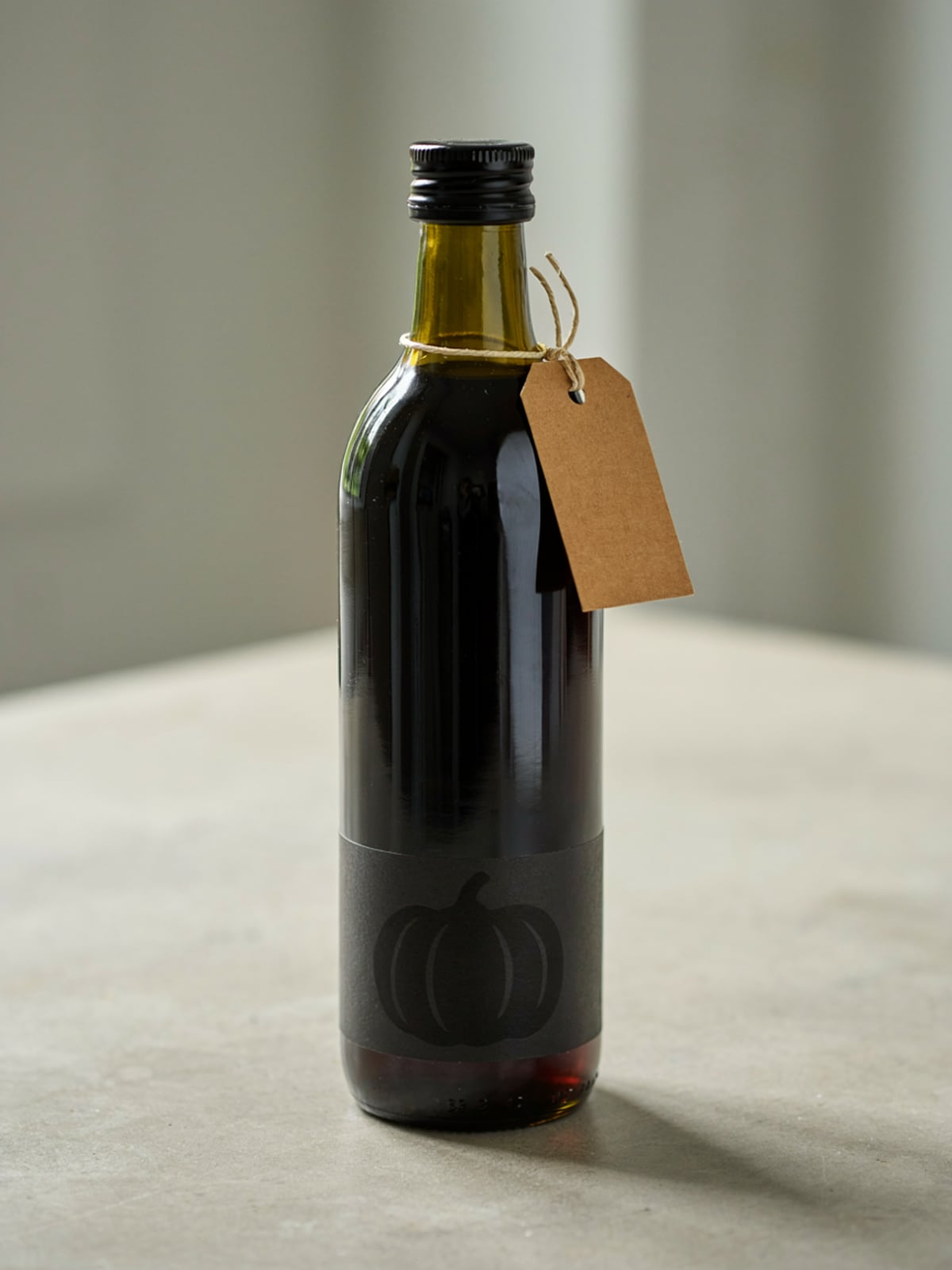
A best-before date on a bottle of pumpkin seed oil gets calculated from the pressing date, usually set at twelve to eighteen months — on the assumption that the bottle stays sealed and stored under acceptable conditions. What it doesn't reveal: how the oil was actually stored since leaving the mill, whether it sat for weeks in a warm warehouse or on a brightly lit shelf. A bottle technically still within date but six months old and poorly stored differs noticeably in quality from one pressed just three months ago. A separately declared pressing or harvest year on the label shows true freshness far more clearly than the date alone.
Reading the label correctly, in the end
Quality checking sums up what to watch for in detail. As a rough order of priority: PGI certification first, because it controls both method and origin, then analytical and sensory award seals if present — they show that this specific batch was independently judged — then pressing or harvest date for freshness, and finally producer identity for traceability. A bottle meeting all four criteria gives you most of what's meaningfully checkable on a label. A bottle that fails at the first point — no PGI, no declared Styrian origin — is selling something else entirely, no matter how many other logos it carries. The full picture of genuine production is covered under Styrian PGI.
Shop traditional roasted Styrian oil
Shop now