The Styrian
Pumpkin Seed Oil Journal
The Styrian
Pumpkin Seed Oil Journal
- The Styrian Pumpkin Seed Oil Journal
Shop EN
pumpkinseedoil.ccShop DE
kuerbiskernoel.cc
About
This website also contains some content created with the support of AI.
History of Styrian Pumpkin Seed Oil
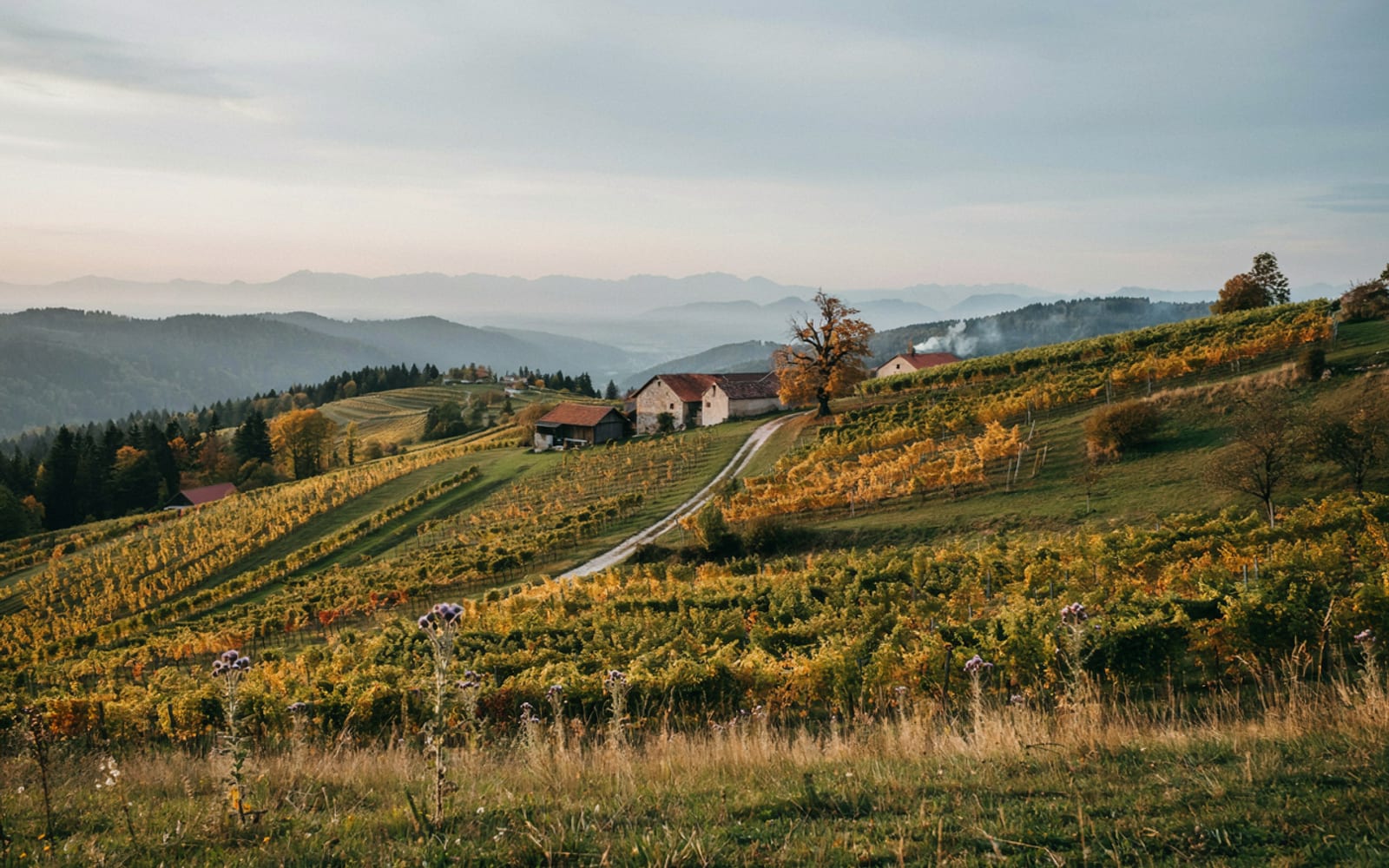
Picture a tiny seed passed hand to hand across centuries, over an ocean and through generations of farms — until what comes out the other end is an oil that describes a whole region. The story does not begin on a Styrian field at all, but far away, on another continent. It took many harvests and many small decisions before an imported garden plant turned into the oil people know today. It needed a rare quirk of nature, the patience of people working fields and mills, and knowledge passed on from one harvest to the next.
The Pumpkin Crosses the Atlantic
Cucurbita pepo originates in the Americas, cultivated there by Indigenous communities long before Europeans ever reached the continent. In the sixteenth century, pumpkins travelled the Atlantic alongside other crops. Their large fruit stored well, the seeds were edible, and growing them was straightforward — so they found a place quickly in gardens and farms across central Europe. But these early varieties still carried the hard, pale seed shell familiar from most pumpkins today. Oil could be pressed from those seeds too, but the work was slow and barely worth the effort. What was missing was the one thing that would make a real oil tradition possible: a seed that could go straight to processing without that hard casing in the way.
A Seed Without a Shell, By Chance
At some point in the seventeenth or eighteenth century, something unexpected turned up in the region's pumpkin fields: pumpkins bearing seeds with no hard shell at all. Nobody now knows exactly where or when it was first noticed. For farming, though, the discovery mattered immediately. These seeds were easier to eat, dry, and press. Whoever harvested them set some aside for next year's planting — and simply by doing that, passed the trait on. It was not until near the end of the nineteenth century that Austrian botanists formally described Cucurbita pepo var. styriaca in detail. Farming practice had already moved well past that point: across Styria and the neighbouring districts, oil pumpkins were already part of everyday life.
Oil Mills and Farmhouse Knowledge
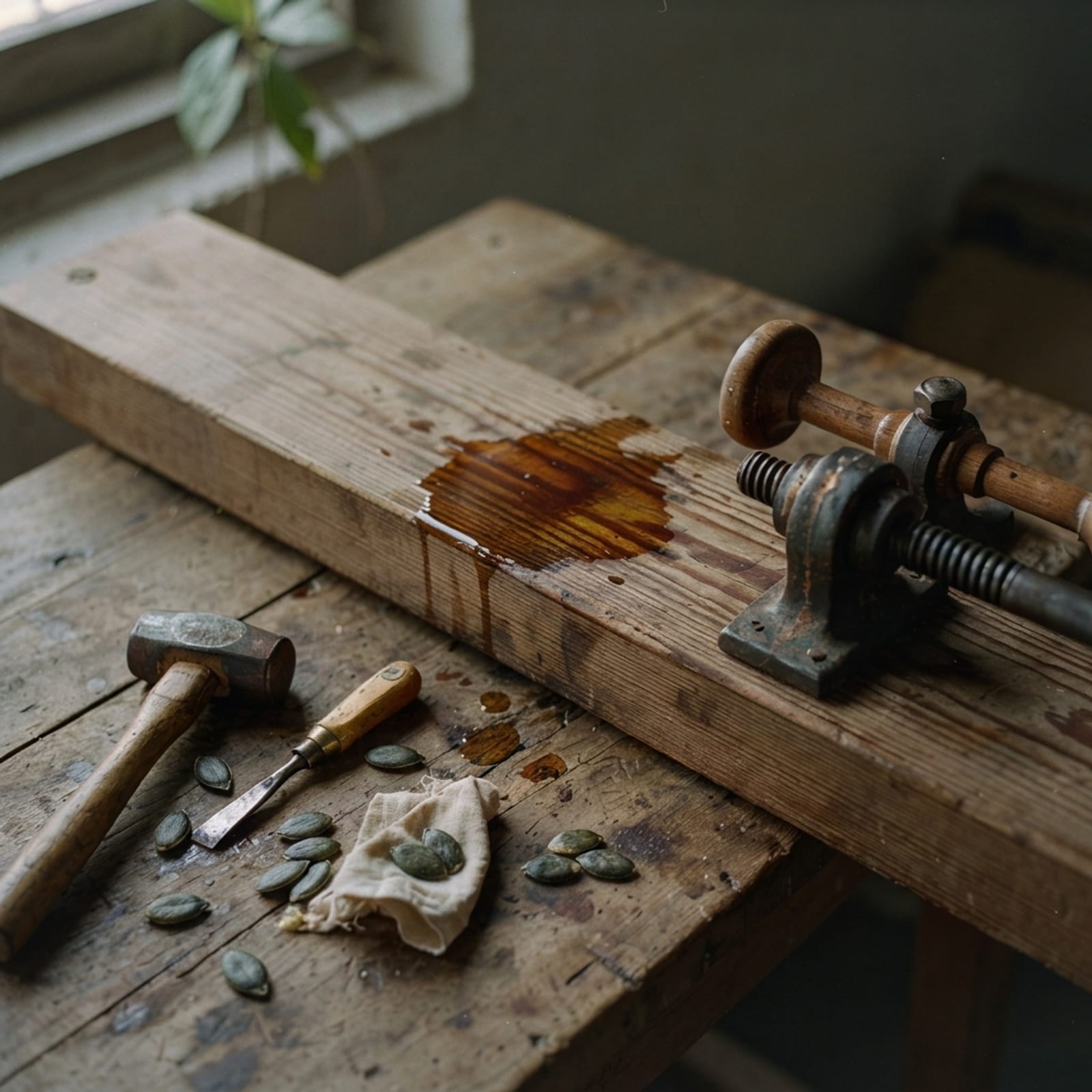
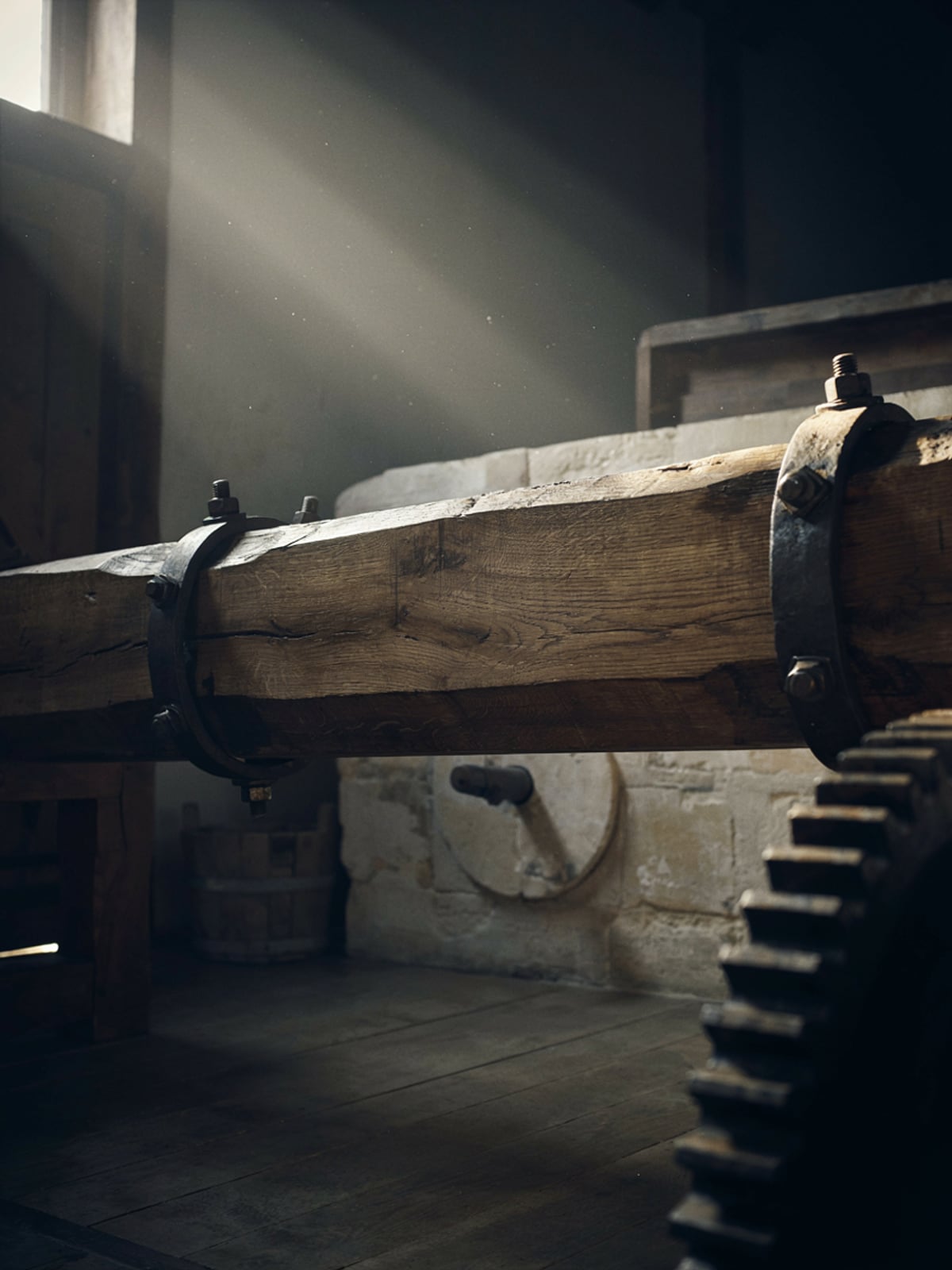
Small oil mills sprang up across the region through the nineteenth century. Some belonged to a single farm, others worked collectively for several families. There, seeds were ground, roasted over open wood fires, and pressed with screw or hydraulic presses — worked by hand, step by step, one harvest at a time. Anyone who knew this work also knew the smell of warm, roasted seed that settled into the wood and tools around them. The oil was no luxury item back then. It went on salads, into soups, over bread and dumplings — a familiar part of the regional table, not a gift saved for special guests. Surplus went to market; most of it stayed close to where it was made.
Machines Change the Mills
Through the twentieth century, motors, better cleaning equipment, and improved presses eased many of the old steps. Volumes grew, without every mill losing its handmade character. Some operations expanded; many stayed family businesses — and that mix of technical progress and regional know-how is largely what kept the oil's character intact. After the disruption of two world wars, regional cooking gained fresh attention. From the 1960s and 70s onward, restaurants and delicatessens beyond Styria began to discover the oil too. But rising recognition brought a new problem: similar or diluted products could easily be sold under nearly the same name, and the real reputation risked blurring between genuine bottles and lesser ones.
Protection Through the PGI
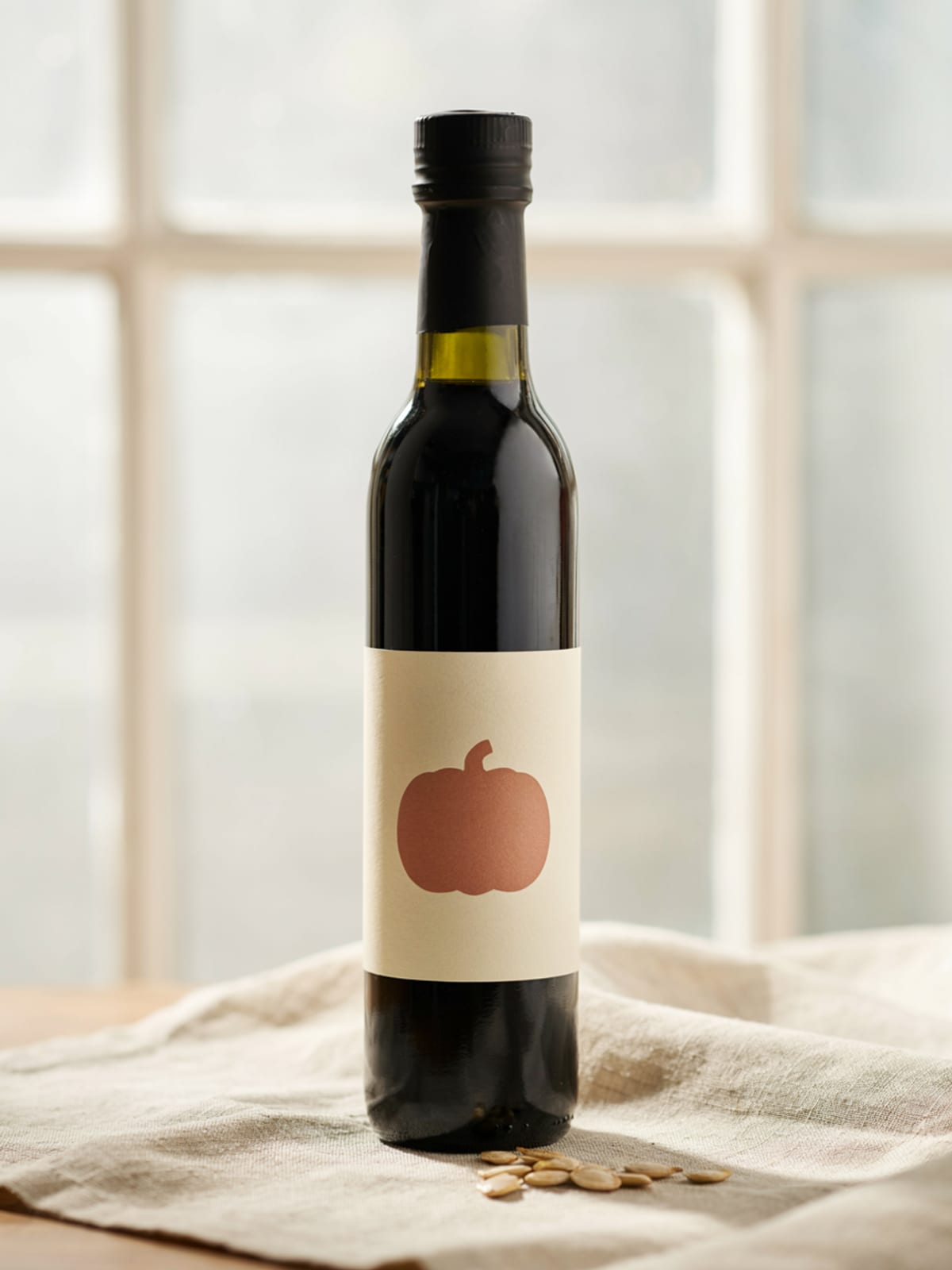
In 1996, Styrian pumpkin seed oil received the European Protected Geographical Indication. The PGI ties the name to enforceable rules: the seeds must come from the hull-less cultivar, must be grown inside the defined zone, and must be processed to the registered specification. Independent bodies audit the producers who want to use the protected designation. For buyers, that is a real, practical advantage: the mark on the label offers far more certainty than a vague "pumpkin seed oil from Austria" ever could. For producers, it protects the work that goes into growing, harvesting, and pressing. How that protection actually works today is explained under the Styrian PGI.
Green Gold, Still Growing
Today, pumpkin seed oil is a culinary emblem of Styria. It shows up at festivals, farm shops, country inns, and modern kitchens alike. Visitors experience the harvest firsthand each autumn, while locals often know exactly which mill made their favourite bottle — and why that particular one stays on the shelf when others have long sold out. This story is not finished. Every harvest brings new conditions, every mill makes its own choices. But the seed itself — in the literal sense and the figurative one — stays the same: a distinctive plant, carefully grown and processed in a way that lets its origin come through in the taste. Why people in Styria call it "green gold" is its own story, told under green gold.
Taste regional Styrian pumpkin seed oil
Shop now