The Styrian
Pumpkin Seed Oil Journal
The Styrian
Pumpkin Seed Oil Journal
- The Styrian Pumpkin Seed Oil Journal
Shop EN
pumpkinseedoil.ccShop DE
kuerbiskernoel.cc
About
This website also contains some content created with the support of AI.
Linoleic Acid in Pumpkin Seed Oil
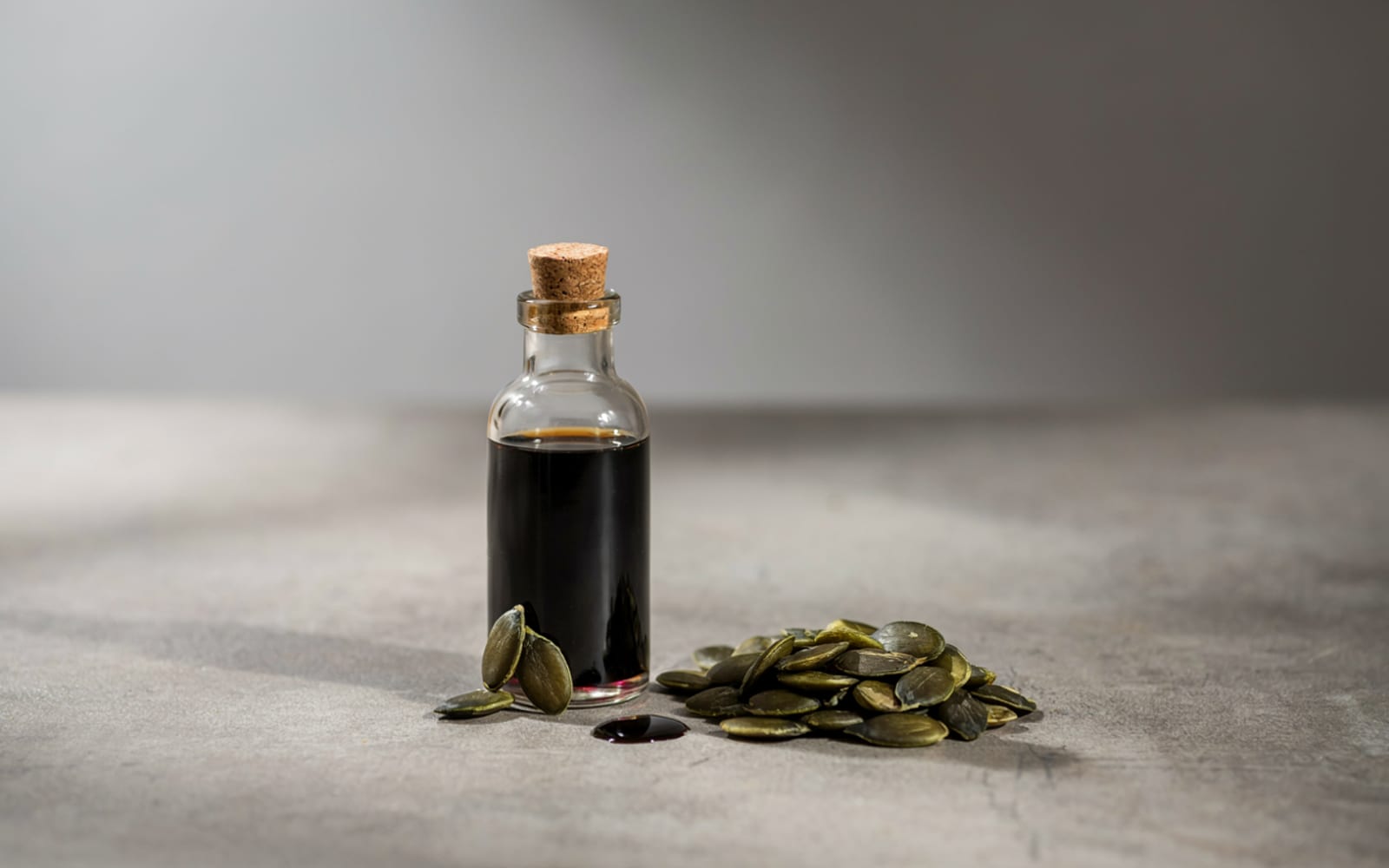
No scent appears out of nothing. What rises from the bottle — nutty, warm, faintly roasted — carries a chemical signature, and much of it comes from a single fatty acid: linoleic acid. It usually makes up 45 to 60 percent of total fat and shapes the character of pumpkin seed oil more than any other fatty acid on its own. Understand linoleic acid, and you understand why this oil is best used cold and stored with care.
A Fatty Acid in the Lead Role
Linoleic acid belongs to the polyunsaturated omega-6 fatty acids, with 18 carbon atoms and two double bonds. The body cannot build it from simpler building blocks and depends on food to supply it. A pronounced deficiency is rare on a varied diet, but among other things it can affect the skin barrier and normal immune function.
A Building Block for Every Cell
Linoleic acid sits in every cell membrane in the body, where it influences, together with other polyunsaturated fatty acids, how fluid that membrane is — and with it, how receptors and transporters function. It can also be converted into longer-chain omega-6 fatty acids, from which the body builds various signalling molecules. That conversion is regulated and cannot be reduced to the simple formula "more linoleic acid means more inflammation."
What the Skin Gets From It
In the skin barrier, linoleic acid appears in specific lipids. With a genuine deficiency, skin can become dry, flaky, and more permeable — one reason linoleic-acid-rich oils also come up in discussions of topical skin care. That does not mean, however, that eating pumpkin seed oil guarantees any particular effect on the skin of a healthy person. For topical use and the underlying research, the wellness and health overview offers further context.
Why Heat Is the Enemy
The very two double bonds that make linoleic acid so valuable also make it reactive. Under heat and oxygen, oxidation begins, first forming peroxides and later further breakdown products that change scent and flavour. At very high temperatures, additional compounds form that are unwelcome in large amounts. The smoke point of pumpkin seed oil sits well below the temperatures used for searing or deep-frying.
The Right Moment on the Plate
Use the oil only after cooking is done: over soup, salad, potatoes, vegetables, quark, or even vanilla ice cream. That keeps its aroma intact and spares the delicate fatty acid unnecessary stress. It is exactly in this last step, just before serving, that pumpkin seed oil shows what it can really do.
Dark Glass, Cool Spot
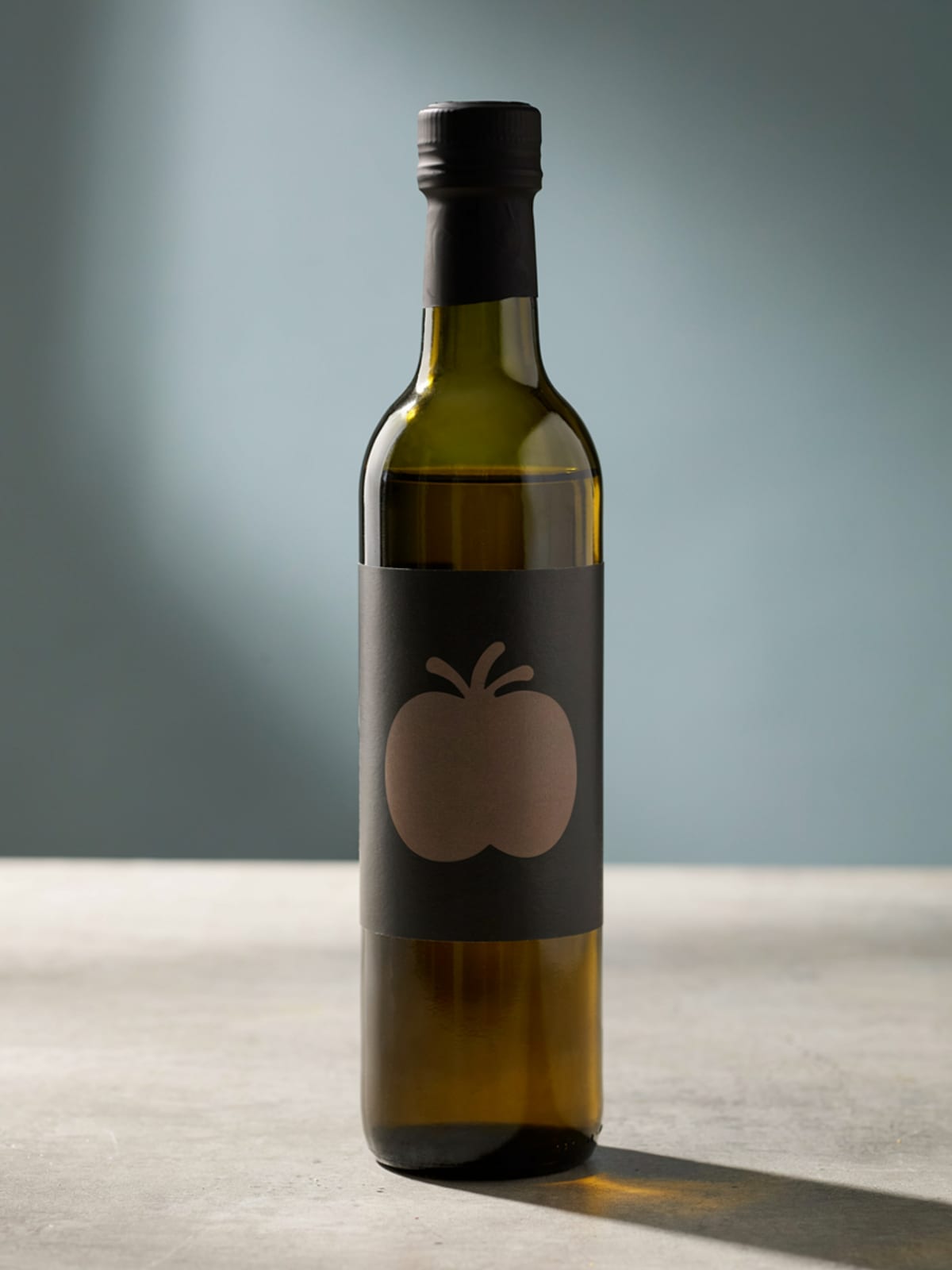
Heat is not the only trigger — light and air also drive oxidation. Dark glass protects the oil better than clear packaging. Keep an opened bottle cool, dark, and tightly closed, and use it up within a few months. People who use the oil regularly often put it simply: "The moment it smells sharp or paint-like instead of nutty and roasted, it's done." More guidance is available under how to store pumpkin seed oil.
Seen Within the Whole Profile
Linoleic acid does not stand alone: pumpkin seed oil also contains oleic acid, smaller amounts of saturated fatty acids, and only a little omega-3. That interplay is covered in the article on fatty acids in pumpkin seed oil. Its distinctive companions, such as tocopherols and phytosterols, are explained in the piece on ingredients — and the scent that started it all stays the same, as long as the bottle is treated well.
Shop authentic Styrian oil — start here
Shop now