The Styrian
Pumpkin Seed Oil Journal
The Styrian
Pumpkin Seed Oil Journal
- The Styrian Pumpkin Seed Oil Journal
Shop EN
pumpkinseedoil.ccShop DE
kuerbiskernoel.cc
About
This website also contains some content created with the support of AI.
Pumpkin Seed Oil and Cholesterol: What the Lipid Studies Show
Health notice: This page discusses topics related to health research and tradition. It is not medical advice. Do not use it to diagnose, treat, cure, or prevent any disease. Talk to a qualified healthcare professional before changing your diet or supplements.

Cholesterol is a topic where plant oils in general have a decent evidence base, and pumpkin seed oil rides on some of that goodwill — sometimes fairly, sometimes not. This article separates what has been specifically tested with pumpkin seed oil and its phytosterol content from the broader, well-established nutrition science about replacing saturated fat with unsaturated plant oils, which is a different and much larger body of evidence that happens to apply here too.
A Number Rarely Arrives Alone
Anyone searching for pumpkin seed oil and cholesterol has usually already started rethinking other things: less butter, more vegetables, a walk after dinner most evenings. The oil joins that list of small changes, but it rarely starts it. The number on the lab report comes first, then the search for a cause, and only after that the hunt for small, doable habits that might help — which is roughly the order this article tries to respect.
Phytosterols and Cholesterol: The Actual Mechanism
Pumpkin seed oil is notable for its phytosterol content, including relatively unusual delta-7 sterols. Plant sterols in general have a well-documented ability to modestly reduce LDL cholesterol absorption in the gut when consumed in sufficient, consistent amounts — this is one of the more solid pieces of nutrition science behind "cholesterol-lowering" food claims industry-wide. Whether pumpkin seed oil specifically delivers phytosterols in amounts large enough, from a normal culinary serving, to produce a measurable cholesterol effect is a separate and less certain question; most of the sterol research uses fortified foods or concentrated extracts at defined doses. The phytosterols page covers this compound class in more depth.
What Human Studies on the Oil Have Found
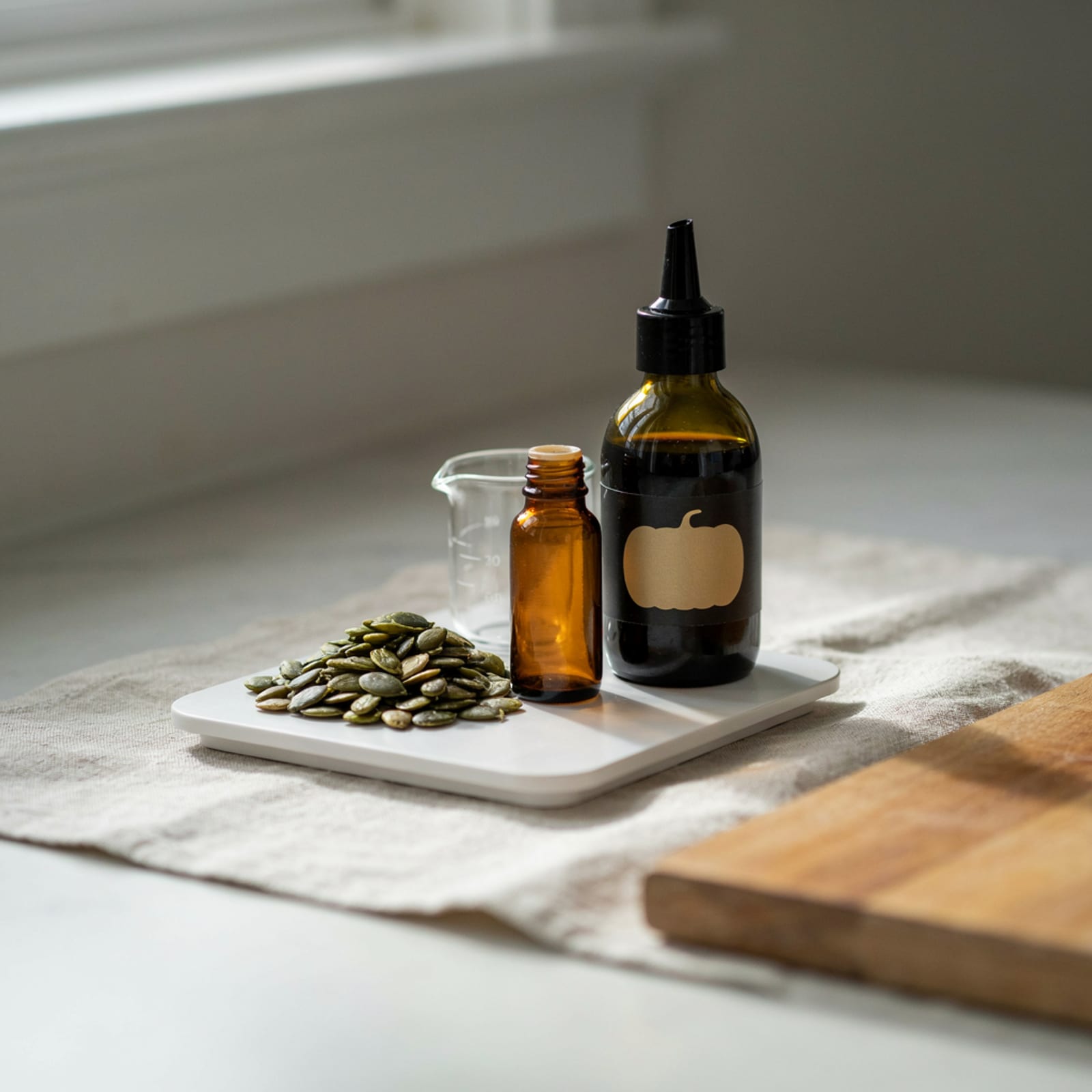
A limited number of studies, including some in postmenopausal women, have looked at pumpkin seed oil supplementation and lipid markers, with some reporting favourable shifts in cholesterol measures alongside other findings. These studies tend to be small and short, and — as with several other topics here — often use extract or concentrated oil doses rather than typical culinary amounts. They support cautious interest in the topic rather than a firm claim that a bottle of pumpkin seed oil will lower a reader's cholesterol on its own.
The Bigger, More Reliable Picture: Fat Swapping
Separately from any pumpkin-seed-specific finding, the broader and far more established nutrition principle is that replacing saturated fats (butter, fatty meat, some processed foods) with unsaturated plant oils in the diet tends to improve the LDL-to-HDL cholesterol balance over time. Pumpkin seed oil, being predominantly unsaturated, fits naturally into this pattern when it displaces saturated fat rather than simply adding calories to an already rich diet — a distinction covered from a different angle on the weight loss page. This general dietary principle is genuinely strong evidence; it just is not specific to pumpkin seed oil the way marketing sometimes implies.
Realistic Expectations for a Finishing Oil
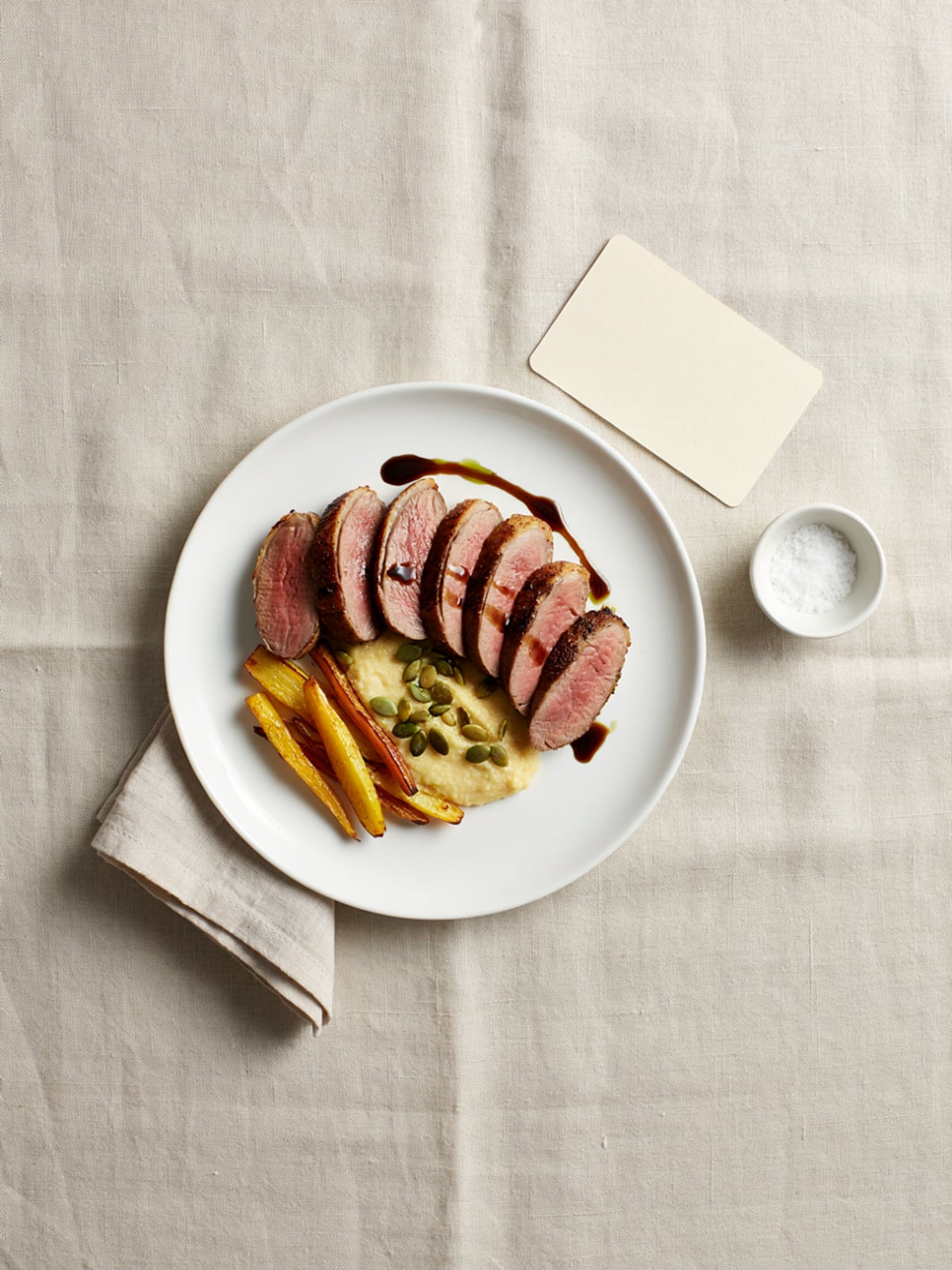
Because pumpkin seed oil is typically used cold, as a finishing touch on salads and cooked vegetables rather than as the primary cooking fat in a household, the actual quantity most people consume day to day is modest — a few tablespoons a week rather than the larger, more consistent daily amounts used in most sterol- or fat-swap research. That is worth keeping in mind when judging how much of a realistic dietary effect to expect from adding it in typical culinary amounts, as opposed to the doses used in the underlying trials.
Where This Fits
For someone managing cholesterol under medical supervision, pumpkin seed oil can reasonably be one of several unsaturated oils used in cooking as part of an overall heart-conscious diet — but it is not a substitute for prescribed statins or other lipid-lowering treatment where those are medically indicated, and cholesterol levels should be monitored and managed with a doctor, not adjusted based on a single food. Readers interested in the closely related metabolic picture may also want the blood pressure article, the diabetes article, and the closely related atherosclerosis article — all part of the same cardiometabolic research area covered in the evidence overview.
Taste PGI Styrian pumpkin seed oil today
Shop now