The Styrian
Pumpkin Seed Oil Journal
The Styrian
Pumpkin Seed Oil Journal
- The Styrian Pumpkin Seed Oil Journal
Shop EN
pumpkinseedoil.ccShop DE
kuerbiskernoel.cc
About
This website also contains some content created with the support of AI.
Pumpkin Seed Oil and Digestion
Health notice: This page discusses topics related to health research and tradition. It is not medical advice. Do not use it to diagnose, treat, cure, or prevent any disease. Talk to a qualified healthcare professional before changing your diet or supplements.
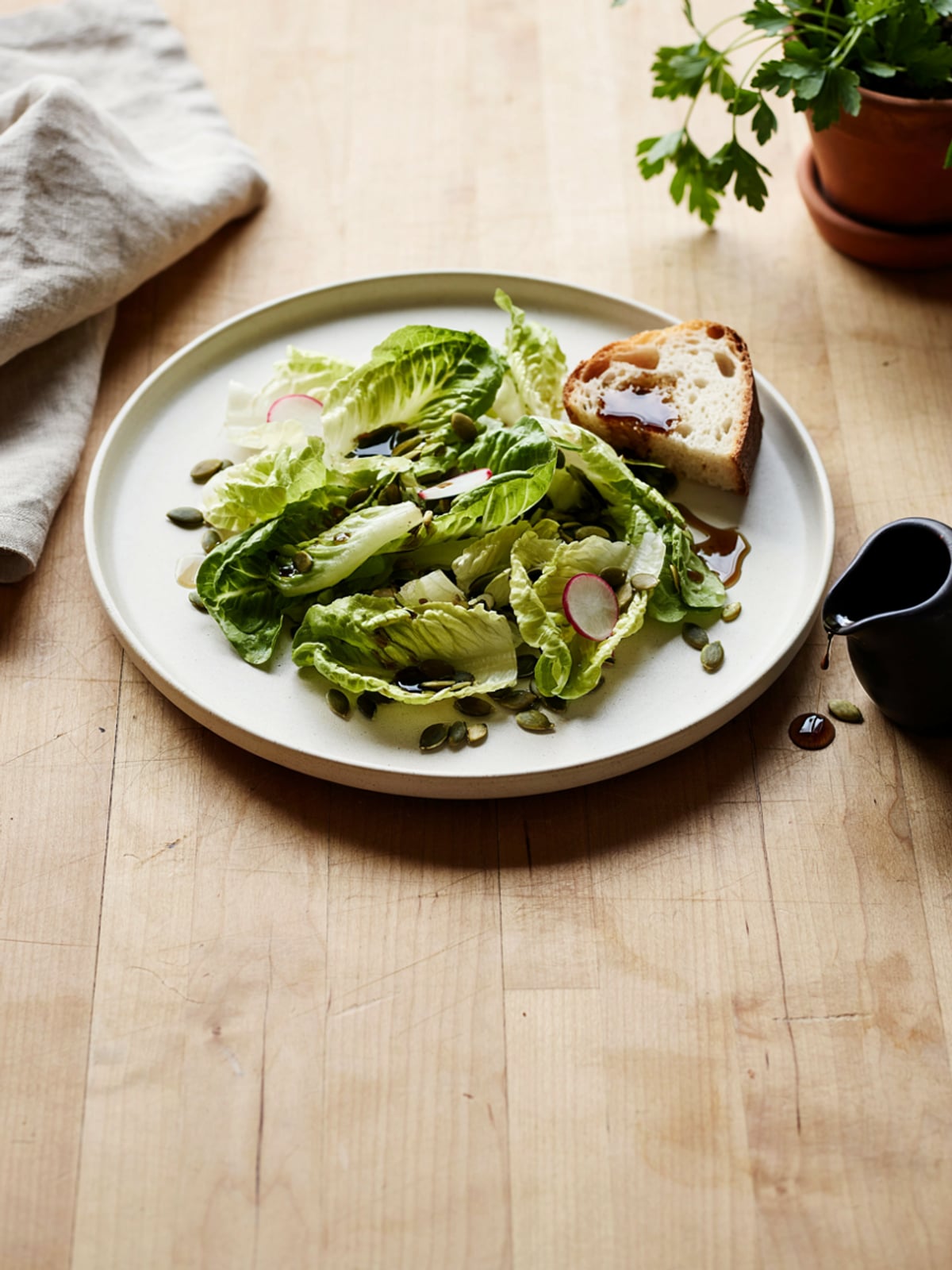
People search "pumpkin seed oil digestion" hoping for a simple gut fix. The honest context is quieter: culinary oil is a fat, whole seeds bring fibre that pressing largely leaves behind, and comfort varies from one stomach to the next. This page explains common habits and their limits. It does not diagnose, treat, or promise relief.
Oil Is Not a Fibre Supplement
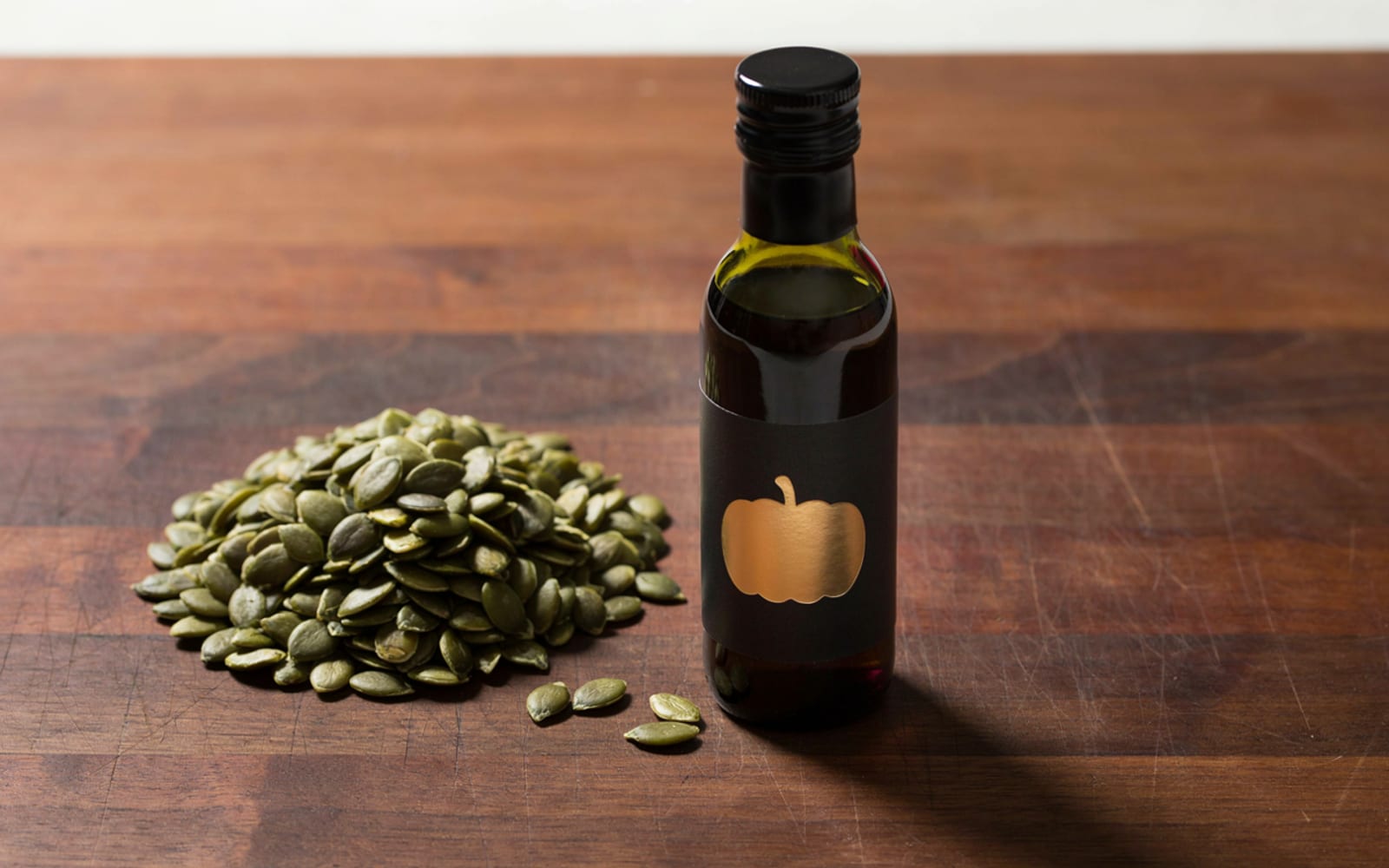
Whole pumpkin seeds contain fibre and other solids that support regularity in the usual way plant fibre does. Pressed oil is mostly fat; the press cake left behind keeps much of what was solid, fibre included. Anyone looking for a fibre-related digestive effect is really looking at seeds, or another fibre-rich food, rather than at a finishing oil. The composition overview breaks down what the oil actually contains, and seeds versus oil compares the two side by side.
Fat, Tolerance and Timing
Some people find a little oil with food gentle on the stomach; others feel heavy after a large spoonful taken neat, especially before anything else has been eaten. Tolerance here is individual, and there is no shortcut around simply noticing how your own body responds. A teaspoon or two stirred into a salad or soup is the traditional, better-tolerated pattern — see the kitchen guide and how to take pumpkin seed oil for practical serving ideas, and drinking it neat and taking it on an empty stomach for the specific habits that tend to test tolerance hardest. Claims that a particular time of day changes how the oil digests are not backed by anything specific; morning or evening covers that timing question directly.
What People Report — and Why That Isn't Proof

Anecdotes about "feeling lighter" or "more regular" circulate online, and they may reflect a genuine personal experience — but an anecdote is not clinical evidence, and it does not generalise to every reader. Persistent pain, blood in stool, unexplained weight change, or a sudden change in bowel habits need medical evaluation, not an oil experiment, and this journal will not suggest cures or dosing schedules for gut disease of any kind.
Freshness and Practical Kitchen Sense
If you enjoy the oil, keep portions modest and the bottle fresh. A rancid oil is unpleasant to eat and is not a digestion strategy of any kind — the rancid smell guide explains what to look and smell for, and storage covers how to keep a bottle in good condition for longer.
Extracts, Doses and What a Kitchen Spoon Actually Provides
Clinical literature on pumpkin seed products often studies extracts, capsules, and doses that do not map one-to-one onto a kitchen spoon of roasted culinary oil. When a bold digestive claim turns up online, it is worth asking which product was actually studied — capsules and cooking oil are neighbours, not twins, a distinction covered in more depth on capsules versus culinary oil. The broader effects overview and evidence overview apply the same standard across every topic on this journal, not only digestion.
A Drizzle, Not a Ritual
A teaspoon on vegetables you already planned to eat simply adds flavour and fat to a normal meal. A rigid, standalone spoonful aimed at "fixing" digestion is a different experience entirely, and it can backfire if the flavour or the fat load disagrees with you. Oil does not replace water, fibre-rich plants, or sleep, and no single bottle is a gut solution on its own — Styrian pumpkin seed oil is excellent food with a strong personality, not a clinic in a dark glass bottle. Related gut topics written in the same careful tone sit in the wellness hub.
When Symptoms Persist, Stop Experimenting
A journal can explain a product; it cannot examine a person. If digestive symptoms are frequent, painful, or otherwise worrying, the next step is a doctor, not a different serving size or a stricter routine with the oil. Use this page as background for curiosity, then go back to eating meals you actually enjoy — the best realistic habit is a drizzle on food you already like, a bottle stored so it still smells roasted, and enough humility to stop if your body disagrees.
Buy Styrian pumpkin seed oil for cooking
Shop now