The Styrian
Pumpkin Seed Oil Journal
The Styrian
Pumpkin Seed Oil Journal
- The Styrian Pumpkin Seed Oil Journal
Shop EN
pumpkinseedoil.ccShop DE
kuerbiskernoel.cc
About
This website also contains some content created with the support of AI.
Pumpkin Seed Oil and Inflammation: What the Research Covers
Health notice: This page discusses topics related to health research and tradition. It is not medical advice. Do not use it to diagnose, treat, cure, or prevent any disease. Talk to a qualified healthcare professional before changing your diet or supplements.
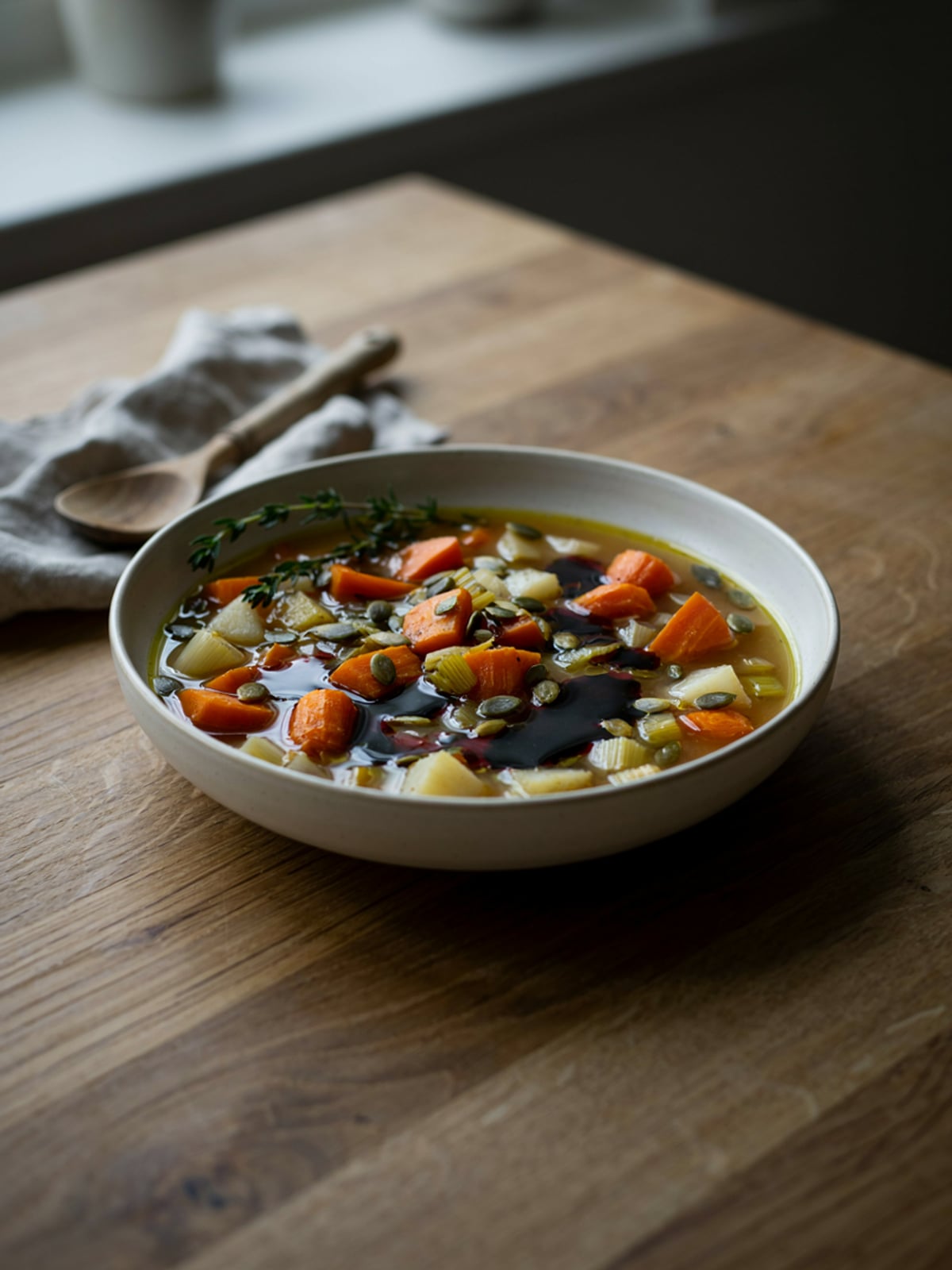
"Anti-inflammatory" is a phrase attached to a huge range of foods online, often loosely and without much specificity about what was actually measured. Pumpkin seed oil does have some genuine research behind an anti-inflammatory angle, largely tied to its vitamin E and antioxidant content, alongside animal studies looking at inflammatory markers directly. This article separates the laboratory and animal findings from what can be honestly claimed for a bottle of oil in a human diet.
The Compounds Behind the Claim
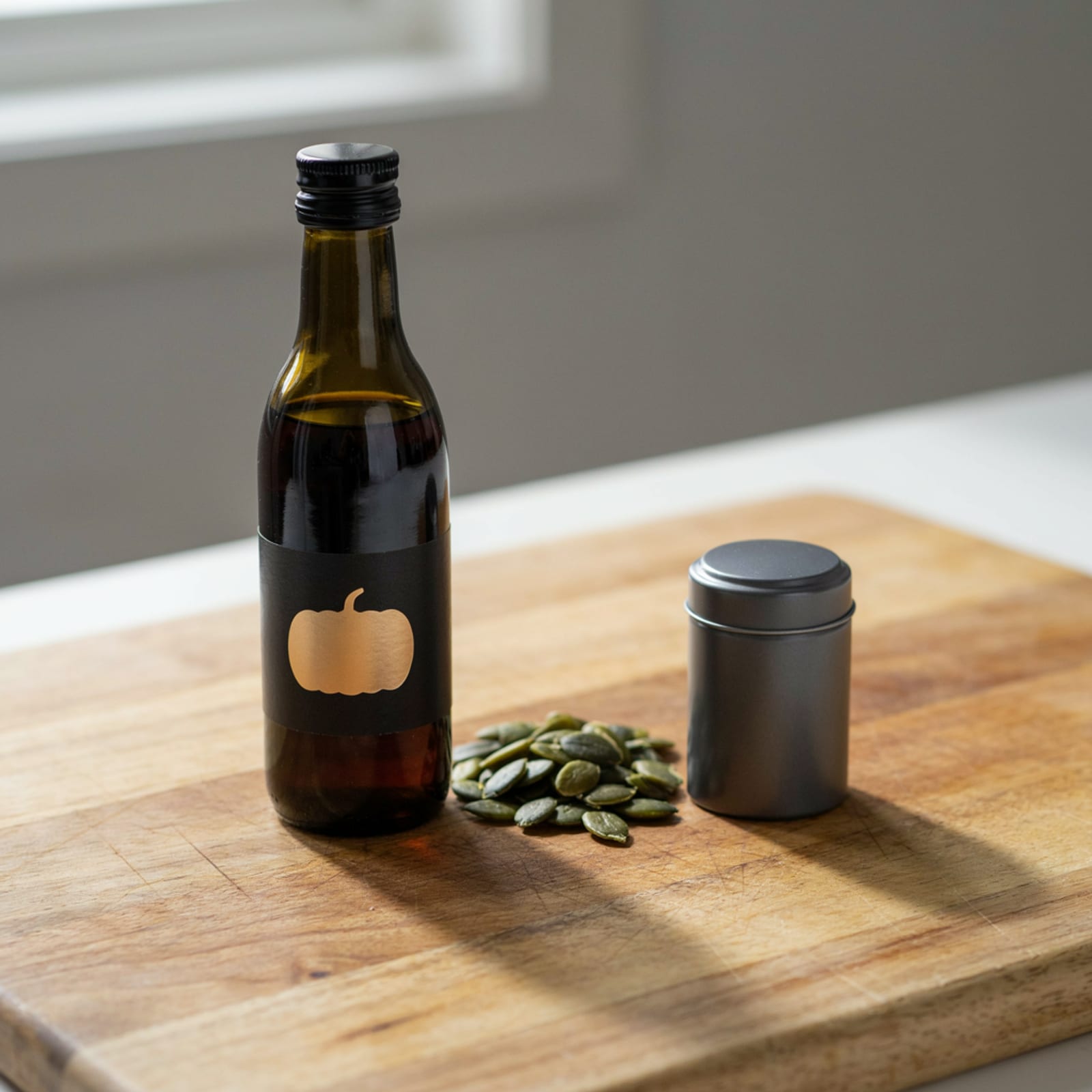
Pumpkin seed oil's vitamin E (tocopherol) content and its mix of unsaturated fatty acids are the main compounds researchers point to when discussing a possible anti-inflammatory mechanism. Vitamin E has a reasonably well-established role as an antioxidant that can help limit oxidative stress, which is mechanistically connected to inflammatory processes in the body — this is genuine, mainstream nutritional science, not something specific or exaggerated for this oil. The composition section covers the oil's antioxidant and fatty-acid profile in full detail for readers who want the underlying chemistry.
What Animal and Lab Studies Have Found
A number of animal studies have reported reduced markers of inflammation after pumpkin seed oil or extract administration, in models ranging from induced joint inflammation to general oxidative stress markers. These are useful early signals for researchers and help explain why the topic gets studied further, but animal models do not reliably predict the same effect size, or sometimes any effect at all, in humans eating normal culinary amounts of the oil. The gap between a rodent study using a concentrated dose and a person's dinner-table serving is one of the most consistent limitations across this whole research area.
Human Evidence Is Thinner
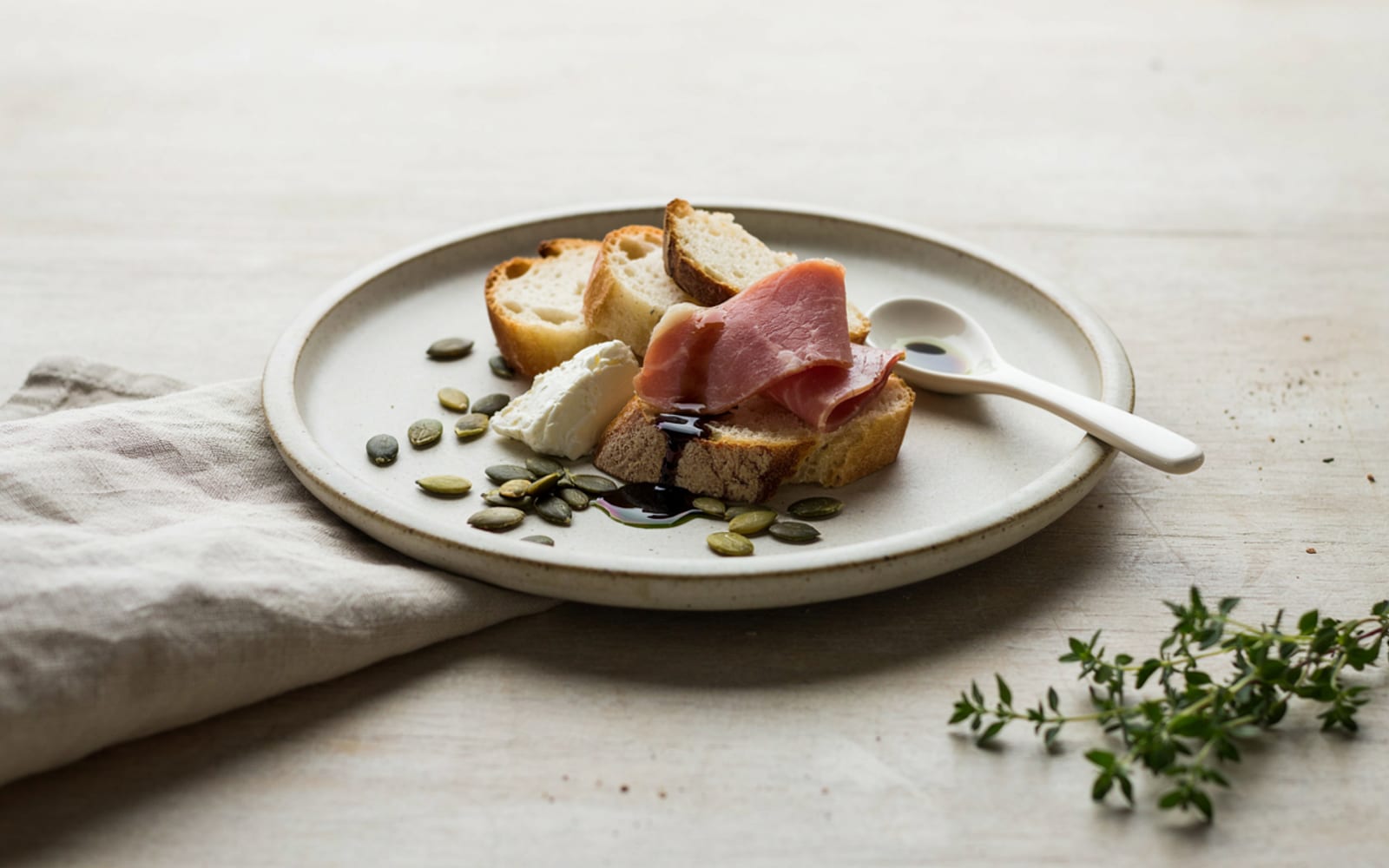
Direct human trials measuring inflammatory markers after pumpkin seed oil consumption are limited in number and scope compared to the animal literature. Some research on pumpkin seed extract in joint-related conditions exists and is discussed in more specific terms on the rheumatism and arthritis page and the osteoarthritis page; neighbouring searches on disc problems and muscle cramps get the same honest stop-sign. A general, standalone claim that pumpkin seed oil "reduces inflammation" in humans outruns what has actually been demonstrated in controlled human studies to date.
Chronic, Everyday Aches Versus Diagnosed Inflammatory Disease
It helps to separate two different things that both get called "inflammation" online. One is the low-grade, everyday kind linked to diet, sleep, and stress — the target of most anti-inflammatory food content. The other is diagnosed inflammatory disease, such as rheumatoid arthritis or inflammatory bowel disease, with its own specific medical treatment. Nothing in the pumpkin-seed-oil research discussed here applies to the second category, and conflating the two is one of the most common ways this kind of nutrition claim gets overstated.
How This Compares to Other Antioxidant-Rich Foods
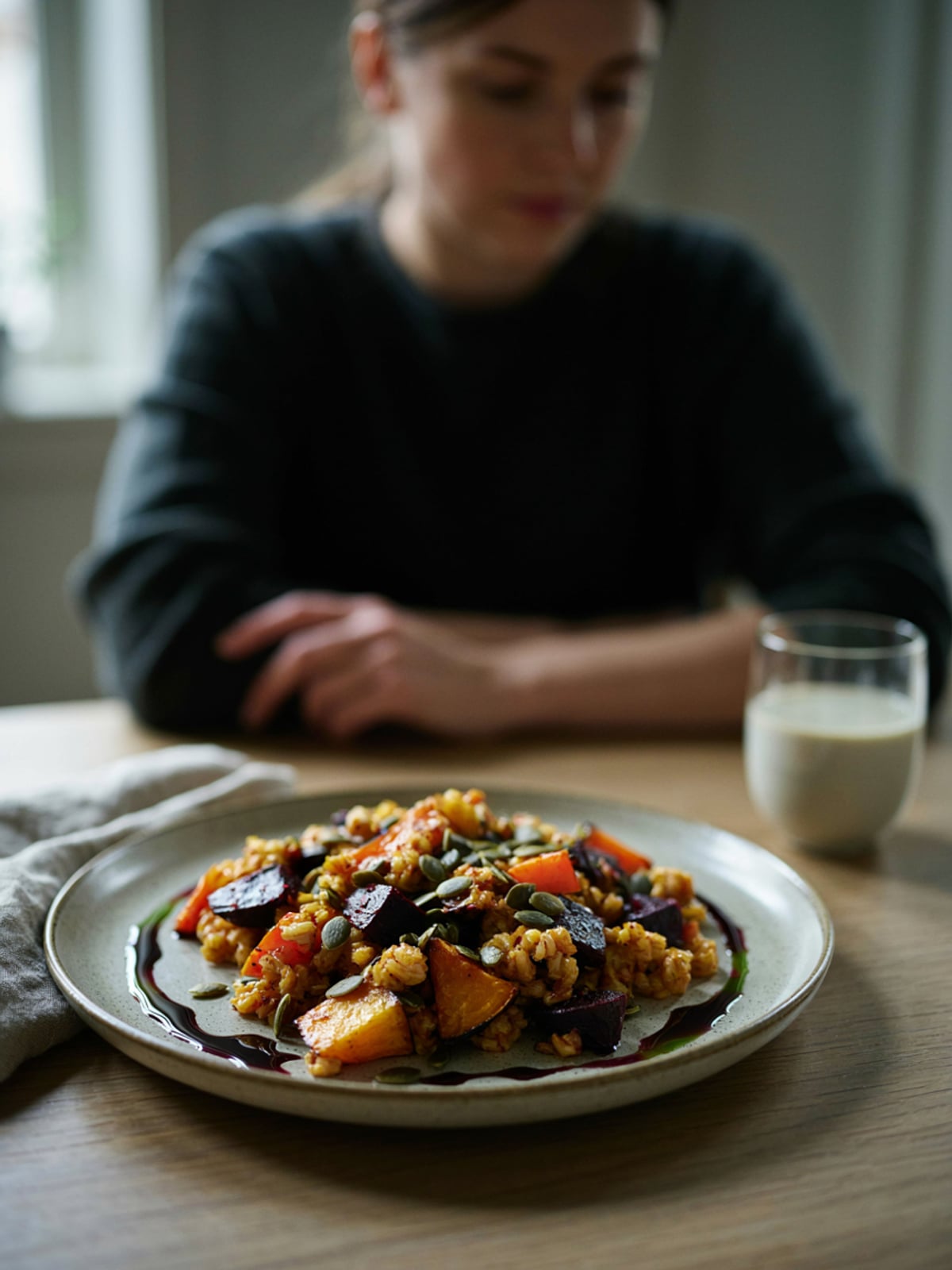
Pumpkin seed oil is one option among many antioxidant-contributing foods — olive oil, nuts, berries, leafy greens, and other seed oils all bring their own mix of vitamin E, polyphenols, or other antioxidant compounds to a diet, and none of them individually carries the whole burden of "fighting inflammation." Nutrition science on inflammation tends to favour looking at overall dietary patterns, such as a Mediterranean-style diet, rather than any single ingredient, which is a more honest and more useful frame than treating one oil as a standout anti-inflammatory food.
Where This Fits
For someone managing a diagnosed inflammatory condition, pumpkin seed oil is not a substitute for medical treatment, and no responsible reading of the evidence supports treating it as one. As part of a broader diet with plenty of unsaturated fats, fruit, and vegetables, it can reasonably contribute to the kind of overall antioxidant intake associated with lower systemic inflammation — a dietary-pattern point rather than a pumpkin-seed-specific cure. Chronic pain, swelling, or joint symptoms should be assessed by a doctor; the evidence overview and liver article cover neighbouring areas of this same research landscape.
Order authentic green-gold pumpkin seed oil
Shop now