The Styrian
Pumpkin Seed Oil Journal
The Styrian
Pumpkin Seed Oil Journal
- The Styrian Pumpkin Seed Oil Journal
Shop EN
pumpkinseedoil.ccShop DE
kuerbiskernoel.cc
About
This website also contains some content created with the support of AI.
Pumpkin Seed Oil vs Black Seed Oil
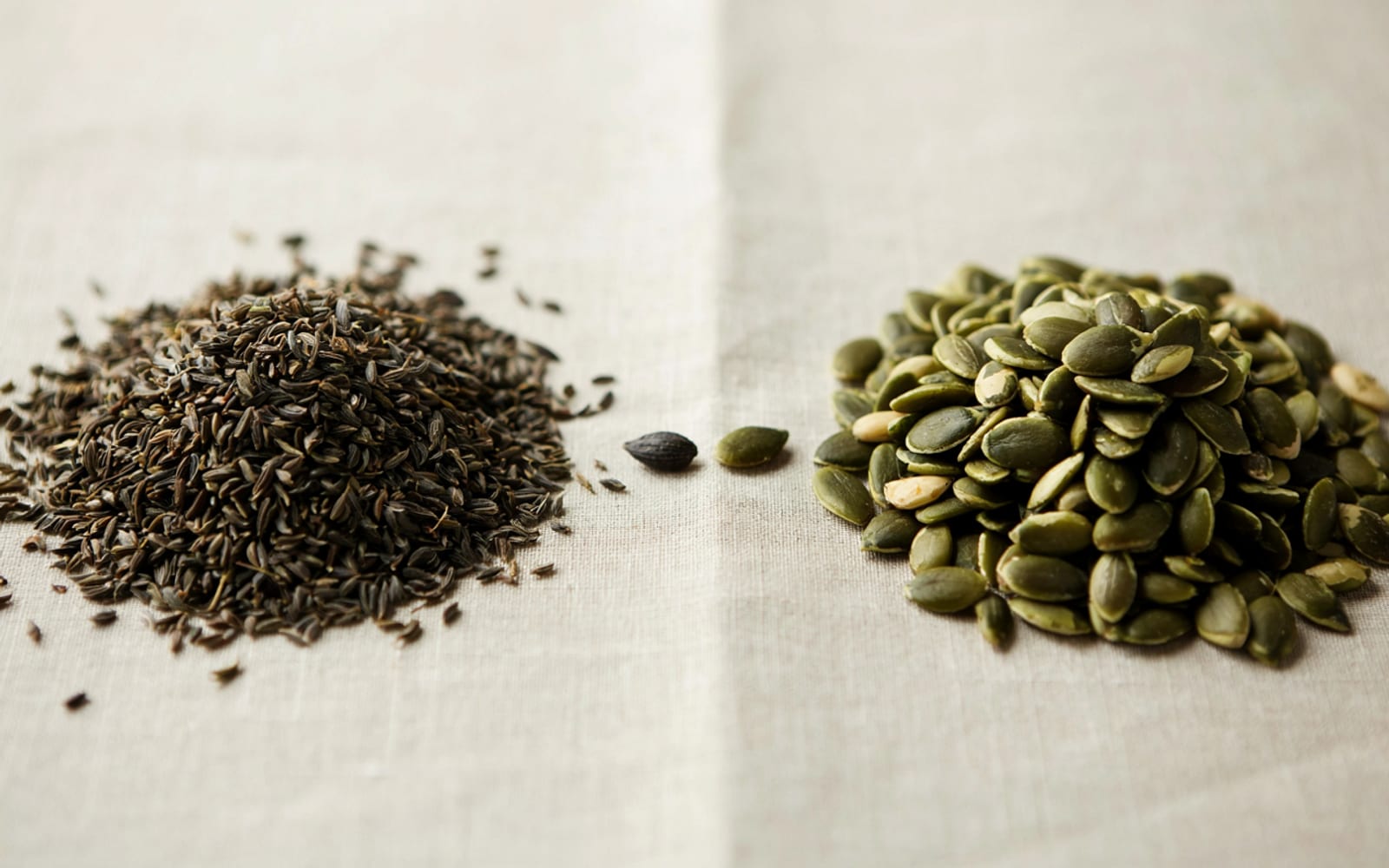
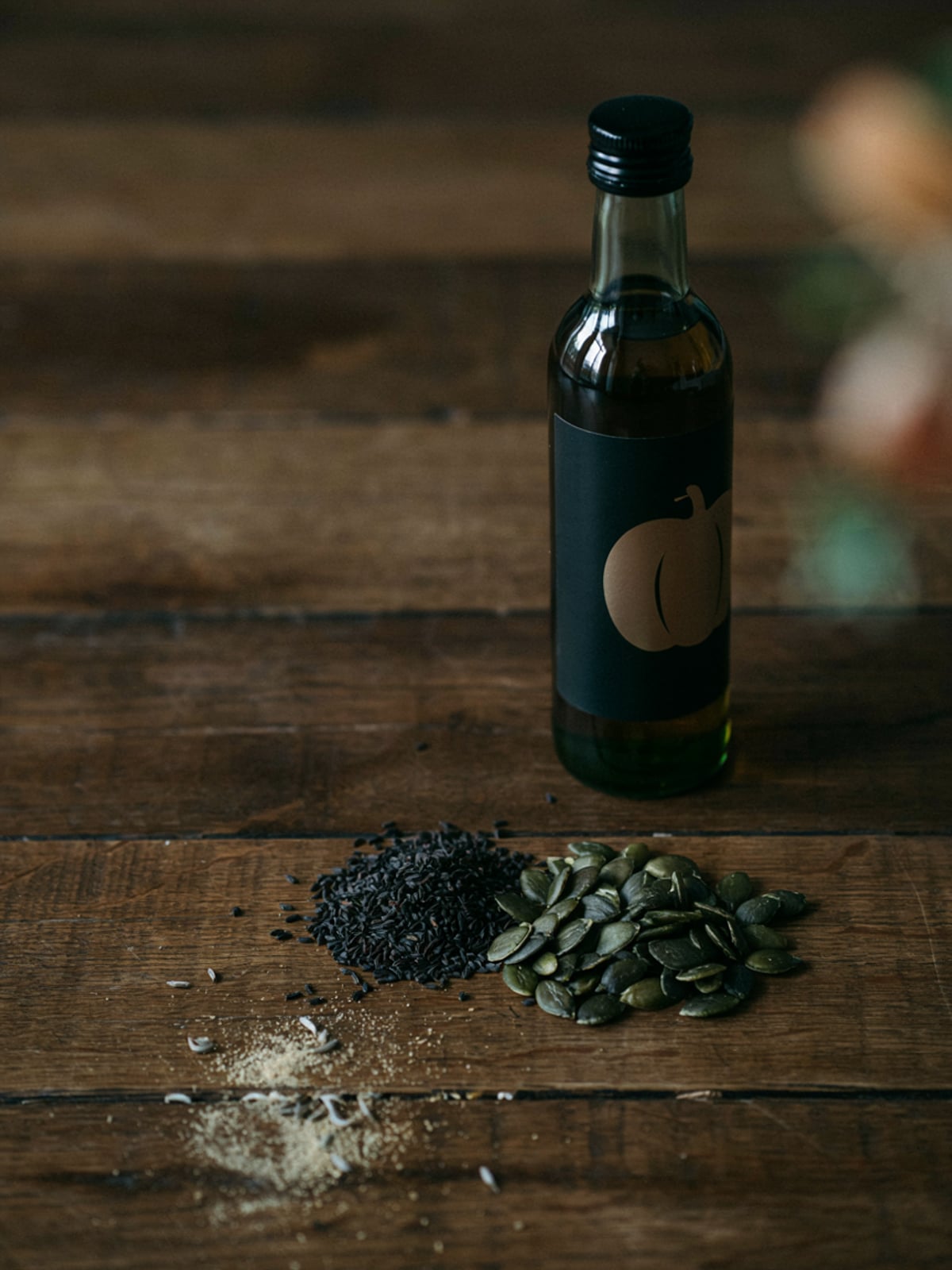
Anyone searching online for specialty oils quickly lands on two names in the same list: black seed oil and Styrian pumpkin seed oil. They share little beyond the broad category “seed oil.” They come from different plants, carry different culinary histories, and taste nothing alike. The comparison is still worth making, because curious cooks eventually ask whether one can stand in for the other. The short answer: no.
Where Each Oil Actually Comes From
Black seed oil is pressed from the seeds of Nigella sativa, with deep roots in Middle Eastern, South Asian, and North African kitchen and household traditions. Styrian pumpkin seed oil comes from the kernels of the oil pumpkin, grown and processed under recognised Alpine tradition — protected as PGI in Austria and, for oil grown across the border, under Slovenia's own PGI designation. Confusing the two erases two entirely distinct stories in one stroke. Styrian origin: Styrian PGI. Product introduction: what is Styrian pumpkin seed oil?
Sharp or Roasted — What the Spoon Reveals
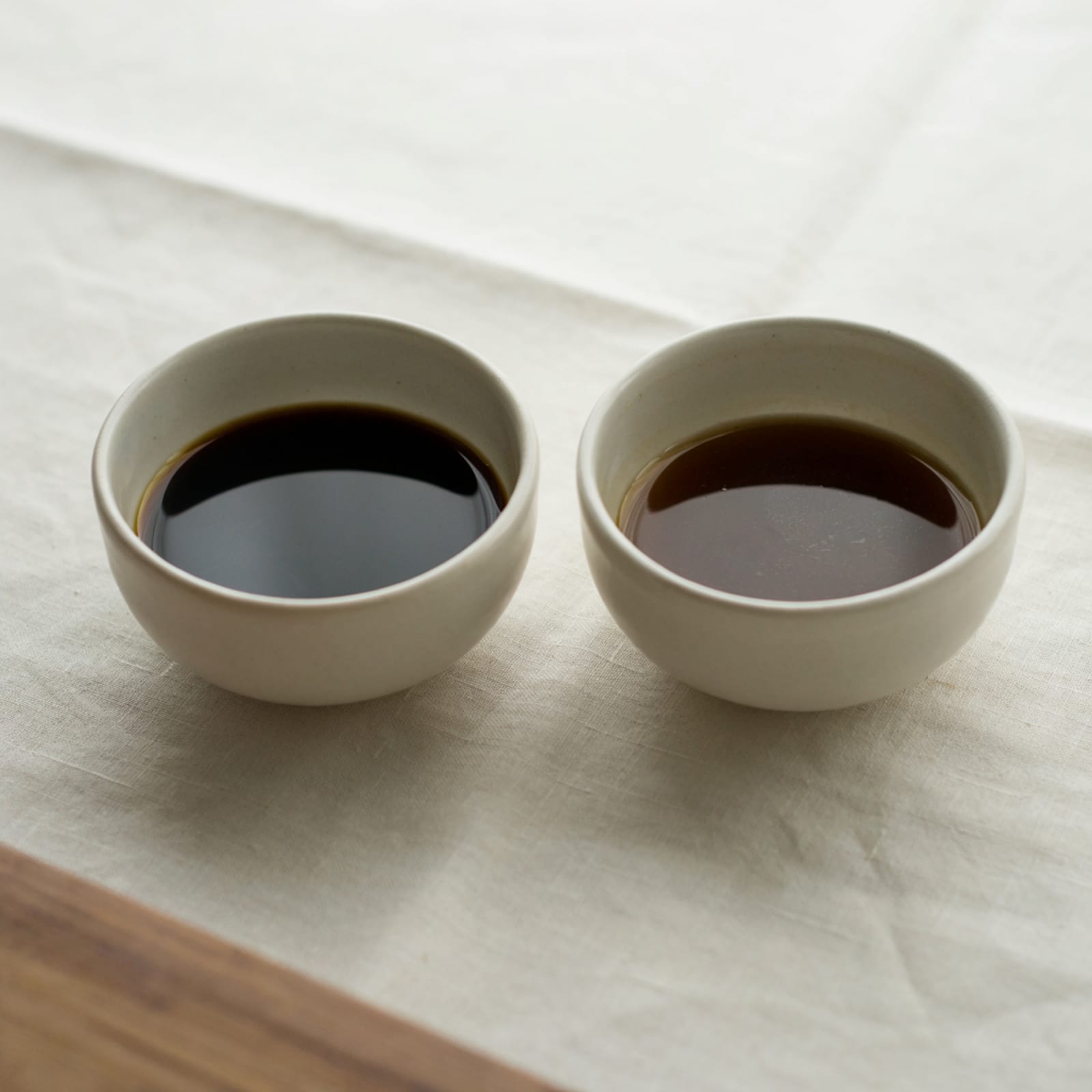
A drop of black seed oil is sharp, peppery, and usually used in tiny amounts. A spoonful of Styrian pumpkin seed oil is roasted, nutty, and serves as a dressing or finishing splash on salads and soups. Black seed oil on a Styrian tomato salad doesn't produce the classic Styrian flavour; pumpkin seed oil next to Nigella's spice doesn't reconstruct that other dish either. In the end, each oil's flavour map deserves its own respect.
What Each Oil Is Reached For
Black seed oil appears in small culinary doses and in non-culinary contexts that this journal deliberately doesn't cover as medical advice. Styrian pumpkin seed oil belongs on the table: Styrian salads, soup finishes, eggs, cheese boards, cold plates, and modern recipes like hummus or avocado toast. Technique for the Styrian bottle: cooking, flavour pairings.
Why Neither Belongs in the Fryer
Neither oil is a high-heat frying fat in the sense of a neutral refined oil. Styrian pumpkin seed oil doesn't belong in deep frying or long, strong sautéing — see can you cook with it? Anyone needing heat reaches instead for a genuine workhorse like rapeseed: vs rapeseed oil.
Labels That Promise Too Much
Online marketing sometimes wraps black seed oil in heavy wellness language. This journal stays culinary and claims no cures for either oil. With Styrian pumpkin seed oil, it's worth checking clear ingredient lists, origin marks, and the difference between pure oil and a blend — blend or pure?, blends and imports, glossary.
Where the Bottle Should Live
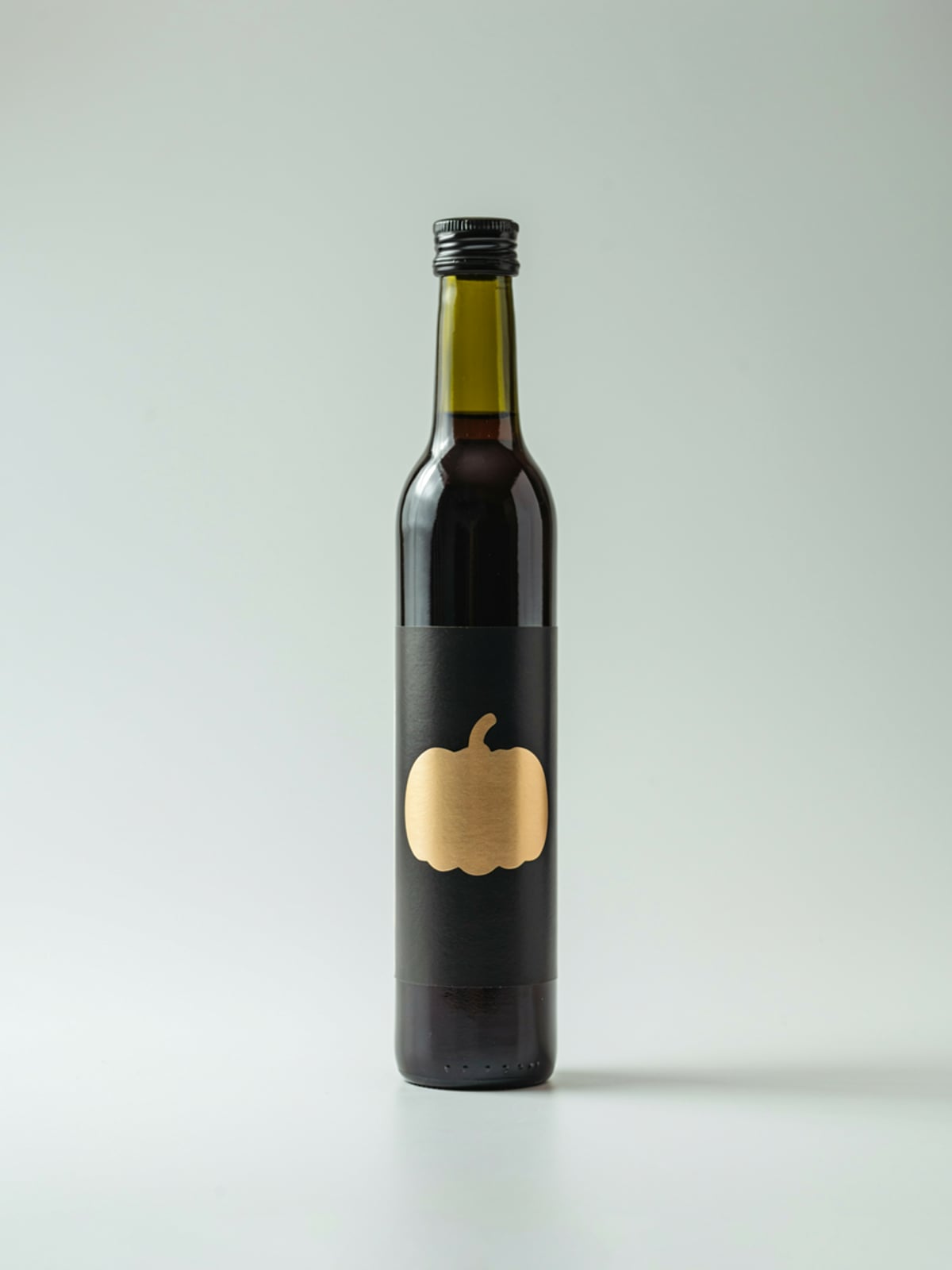
Specialty seed oils like cool, dark storage and prompt use after opening. Smell remains the best guide: rancid or paint-like notes mean the bottle has passed its best. Guides: storage, shelf life, how long does an opened bottle last?
Two Names That Shouldn't Blur Together
Search results sometimes blend “black seed,” “Nigella,” and “pumpkin seed” together, because retail copy gets vague. Nigella sativa is not a pumpkin. The Styrian oil pumpkin is not a Nigella. If a product page uses these names interchangeably, that's a warning sign worth a second, closer look at the ingredient line. Anyone who takes both traditions seriously can certainly keep both bottles in the cupboard: black seed oil for recipes wanting its peppery character, Styrian pumpkin seed oil for Alpine finishing. Clear labelling helps especially when several people share the same kitchen. When in doubt, the glossary and the product introduction are worth a look before the next bottle is bought. More seed-oil contrasts: vs hemp oil, vs sesame oil, and the full compare hub.
Buy dark Styrian pumpkin seed oil online
Shop now