The Styrian
Pumpkin Seed Oil Journal
The Styrian
Pumpkin Seed Oil Journal
- The Styrian Pumpkin Seed Oil Journal
Shop EN
pumpkinseedoil.ccShop DE
kuerbiskernoel.cc
About
This website also contains some content created with the support of AI.
Dressings with Pumpkin Seed Oil
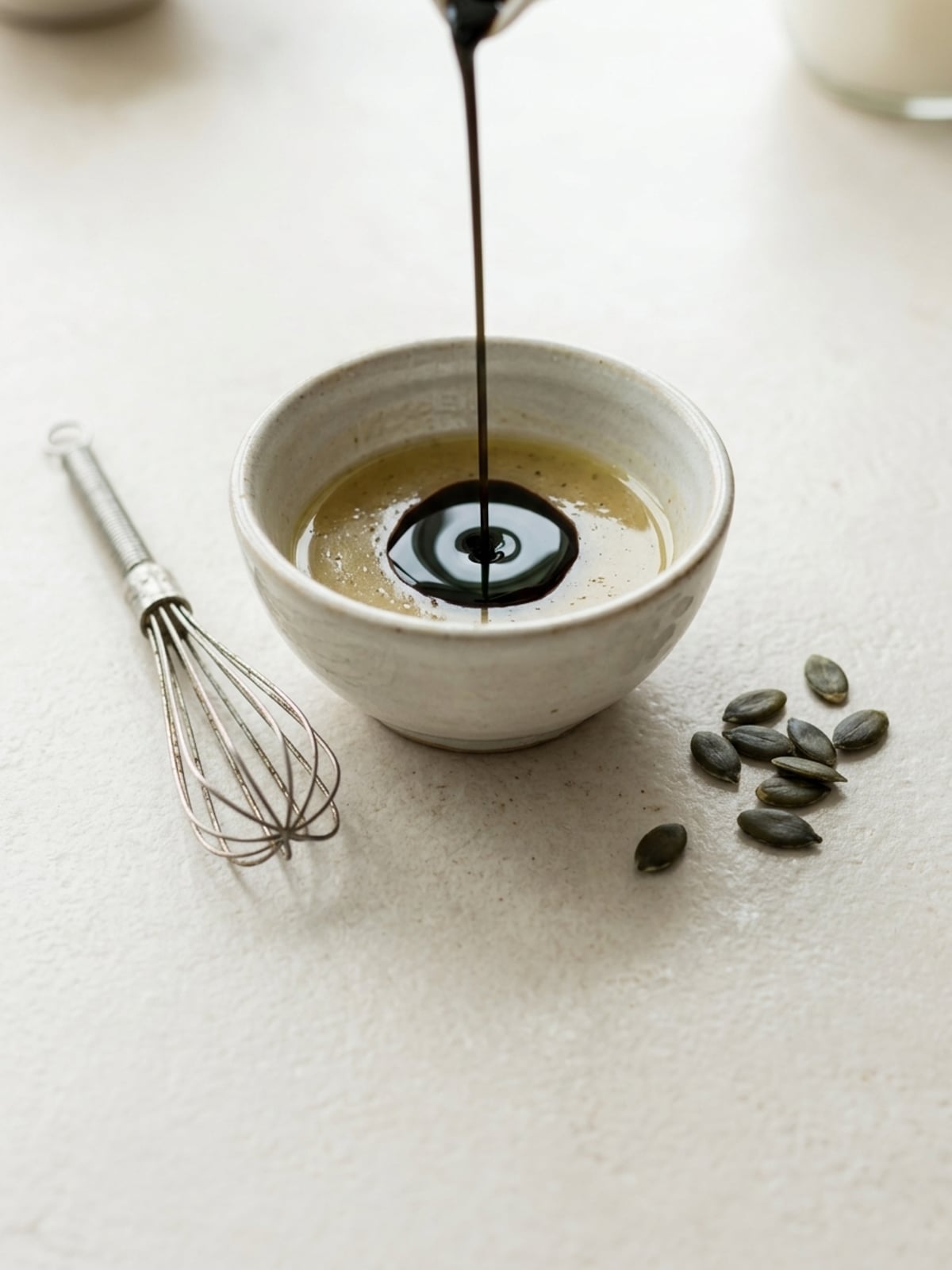
A good dressing with pumpkin seed oil needs no fancy equipment. A small jar, a lid, a few seconds of shaking — and a dark thread winds through the pale vinegar before the two settle into one emulsion. The dark oil carries so much roasted flavour that a long ingredient list is never really necessary. What matters more is the balance of acid, salt and a small sweet note — and the right moment: the dressing goes on the salad only right before serving, never earlier.
The Right Ratio
One part pumpkin seed oil to two parts mild apple cider vinegar is the starting point, and it looks quite different from an ordinary vinaigrette, where oil usually outweighs vinegar in the bowl. For two servings, one tablespoon of oil, two tablespoons of vinegar, a pinch of salt and, if you like, half a teaspoon of honey is enough. Every vinegar has its own strength, so a quick taste from the spoon before it meets the salad is worth the extra second. The end result should feel fresh, not heavy on the tongue.
Small Prep, Big Difference
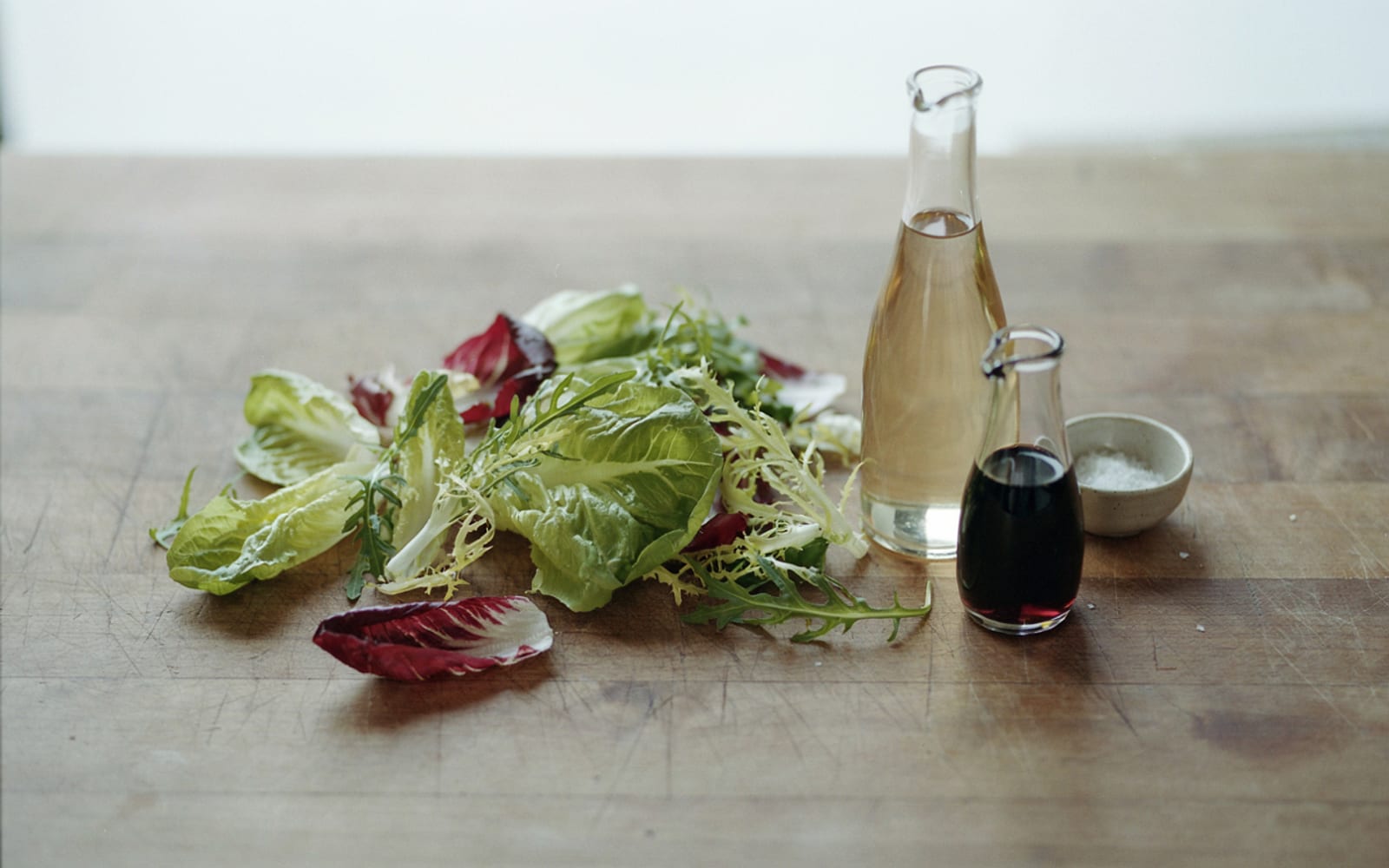
Before anything gets mixed, every ingredient comes out onto the counter — oil, vinegar, salt, maybe a spoon of honey. The salad itself should already be washed and genuinely dry by this point, or leftover water thins the dressing and lets it slide straight off the leaves. Potatoes or lentils, on the other hand, are better with a little warmth still in them; they take on flavour more readily that way. A small container often works better here than a wide bowl — a few movements are enough to coat everything evenly.
The Classic Vinaigrette
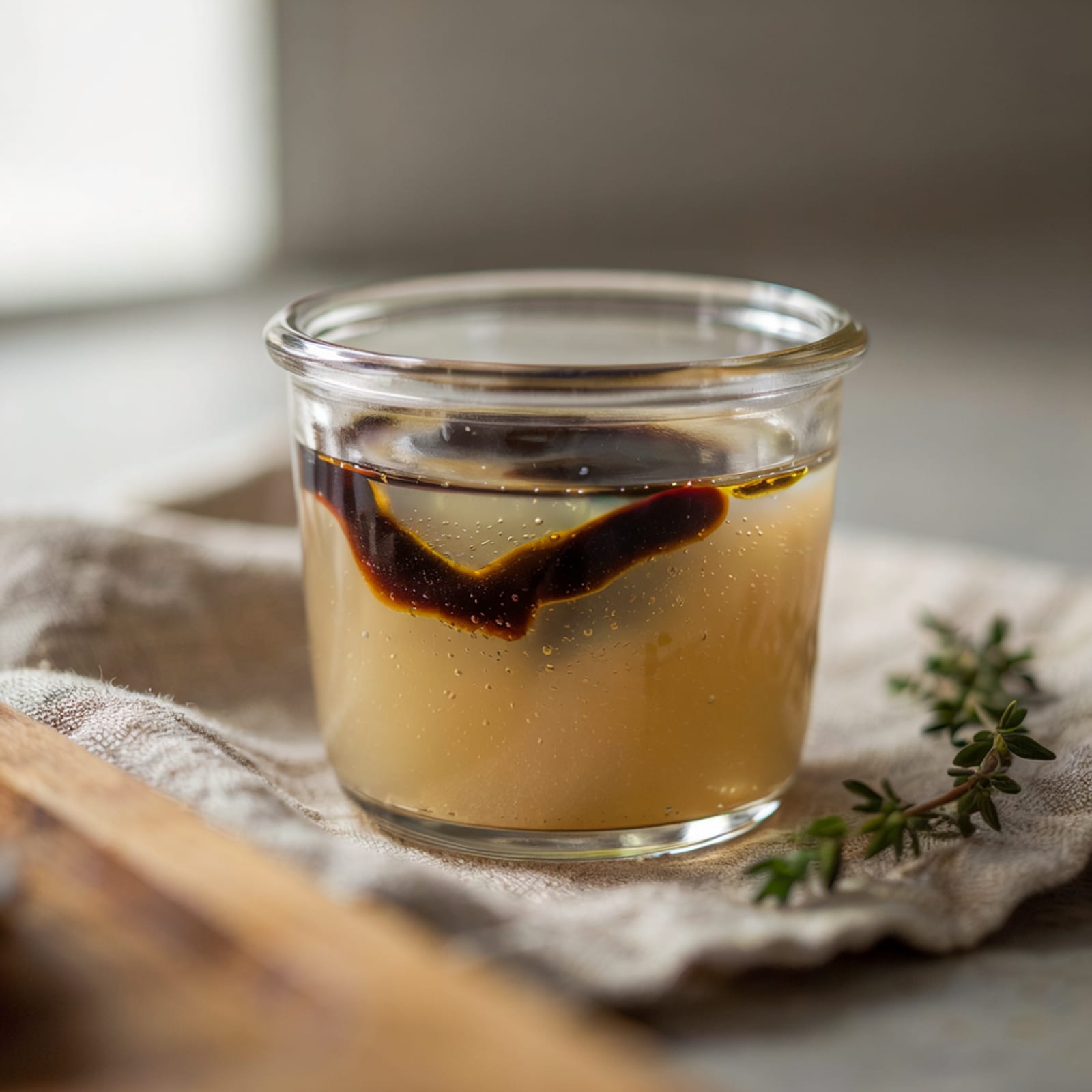
Apple cider vinegar is the natural partner for Styrian pumpkin seed oil. Oil, vinegar, salt and a little honey go into a small, sealable jar, one quick shake is enough — and for a moment a dark line moves through the lighter liquid before it settles into a fine emulsion. It never needs to turn fully creamy. Over lamb's lettuce, cucumber or radish, it can stay light and loose. It goes on only right before eating, tossed briefly, so the leaves stay crisp and the flavour stays clear.
More Body with Mustard
For potato, lentil or grain salad, the dressing can carry a bit more body. Whisk half a teaspoon of Dijon mustard with two tablespoons of apple cider vinegar and salt first, then slowly whisk in one tablespoon of pumpkin seed oil. A second tablespoon of rapeseed or sunflower oil makes the mixture milder and stretches it further; chive or parsley suit it well. Over warm potatoes, this dressing can rest for ten to fifteen minutes — enough time for the flavour and the potato to really meet.
What Pairs Well
Assertive leaves like lamb's lettuce, rocket, endive and radicchio hold their own against the oil, as do beetroot, beans, lentils and roasted vegetables. Very delicate ingredients such as burrata or tender white fish need more restraint — here the oil works better as a few drops directly on the plate rather than tossed through the whole dish. For a wider overview of good pairings, see flavour pairings and quick ideas.
Yoghurt and Fresh Herbs
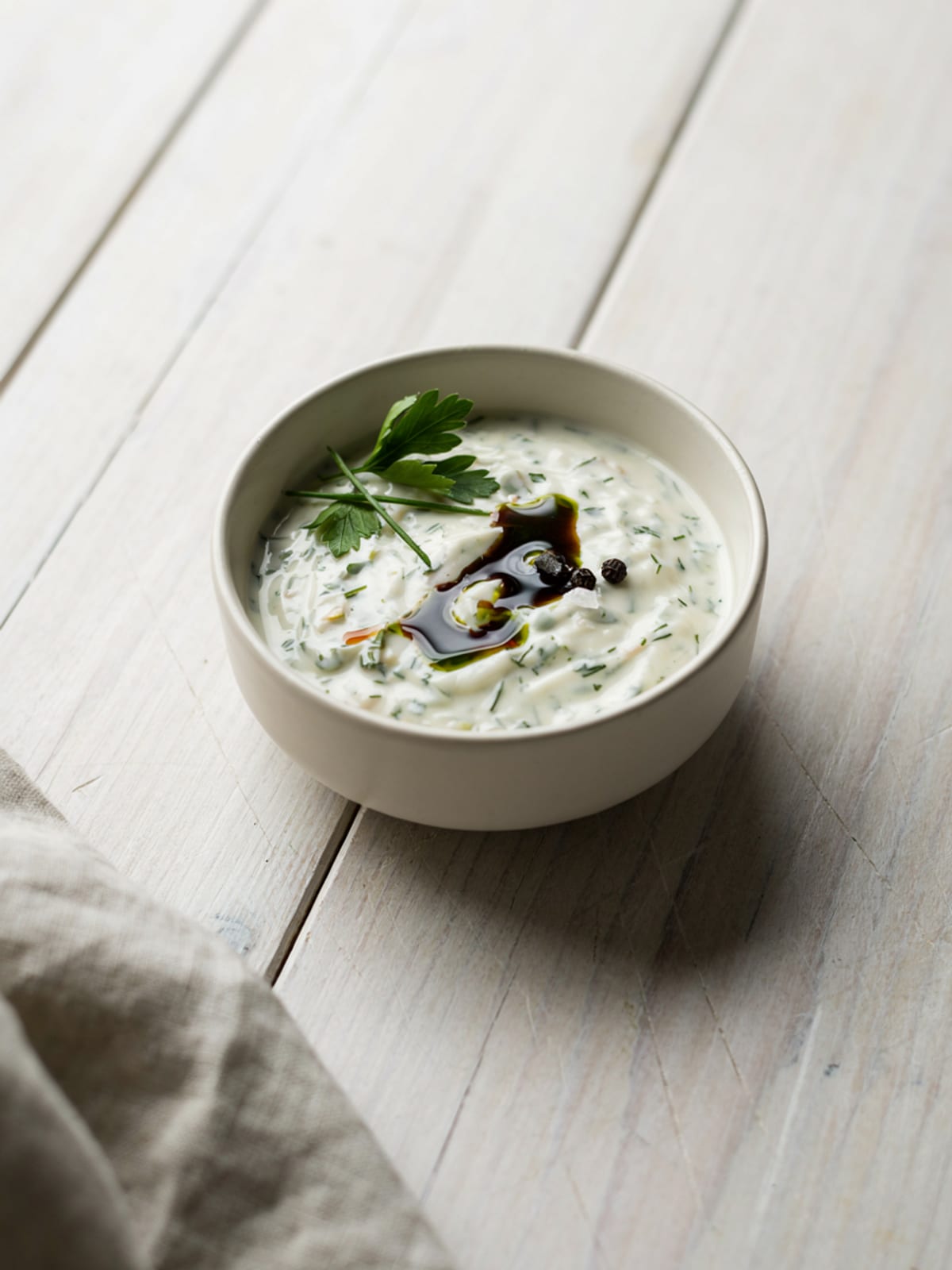
A yoghurt dressing does not take anything away from the oil — it gives it a softer frame. Three tablespoons of plain yoghurt, one tablespoon of pumpkin seed oil, a little lemon juice, salt and finely chopped dill or parsley are all this version needs; grate in a small clove of garlic if you like. As soon as the oil is stirred in, dark streaks run through the pale yoghurt — that is intentional, part of how it should look. This dressing suits roasted vegetables, cucumber salad or fish particularly well.
Tasting with Confidence
Vinegar, salt and honey come together first, the oil only after. Taste with a piece of lettuce or potato, not just the spoon — that makes it easier to tell whether the sharpness fits the dish. If the dressing feels too strong, a little water or yoghurt helps; if it lacks brightness, add vinegar drop by drop. More oil is rarely the right fix, since it mostly adds weight. For a side dish, a light dressing that just brings out the shine is enough; for a main salad with potatoes or bread, it can carry more body — built up first through vinegar and yoghurt before any extra oil goes in. At a buffet, the dressing sits best in its own small bowl alongside, so each guest can pour their own and delicate leaves stay fresh until the last moment.
Storing and Timing It Right
A simple vinaigrette keeps in a sealed jar in the fridge for up to three days. It comes out about fifteen minutes before eating, and one more shake brings it back together. Yoghurt dressings, on the other hand, taste best made fresh. Leafy salads should be dressed as close to serving as possible; potatoes, legumes and grains can sit and absorb the flavour a while longer. The opened bottle itself belongs in a cool, dark spot — that is where it keeps its aroma longest, right up to the next jar that gets shaken.
Buy dark Styrian pumpkin seed oil online
Shop now