The Styrian
Pumpkin Seed Oil Journal
The Styrian
Pumpkin Seed Oil Journal
- The Styrian Pumpkin Seed Oil Journal
Shop EN
pumpkinseedoil.ccShop DE
kuerbiskernoel.cc
About
This website also contains some content created with the support of AI.
Pumpkin Seed Oil as a Face Oil
Cosmetic notice: Cosmetic use only — not a medicine. Patch-test on a small skin area first. Stop use if irritation occurs.
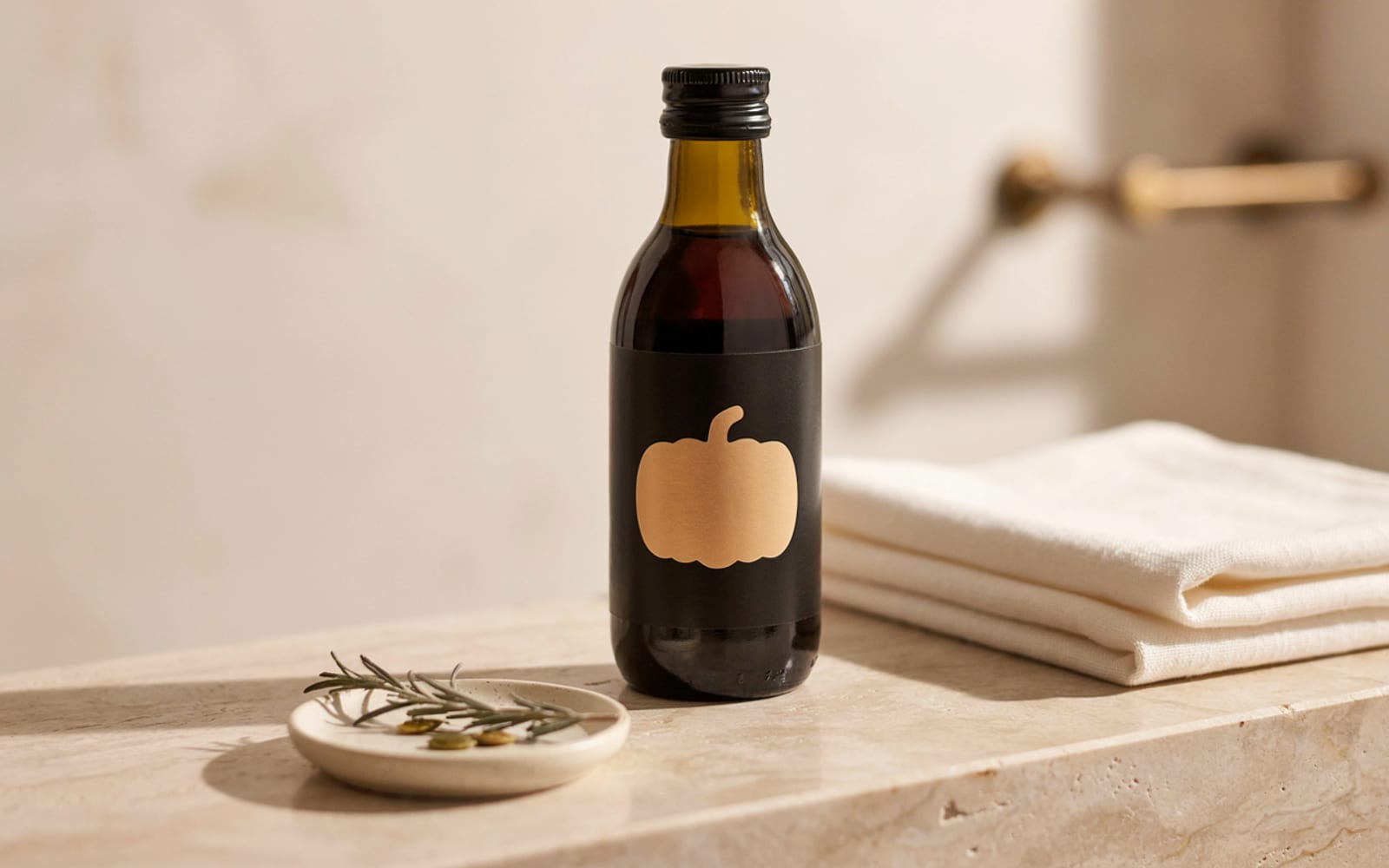
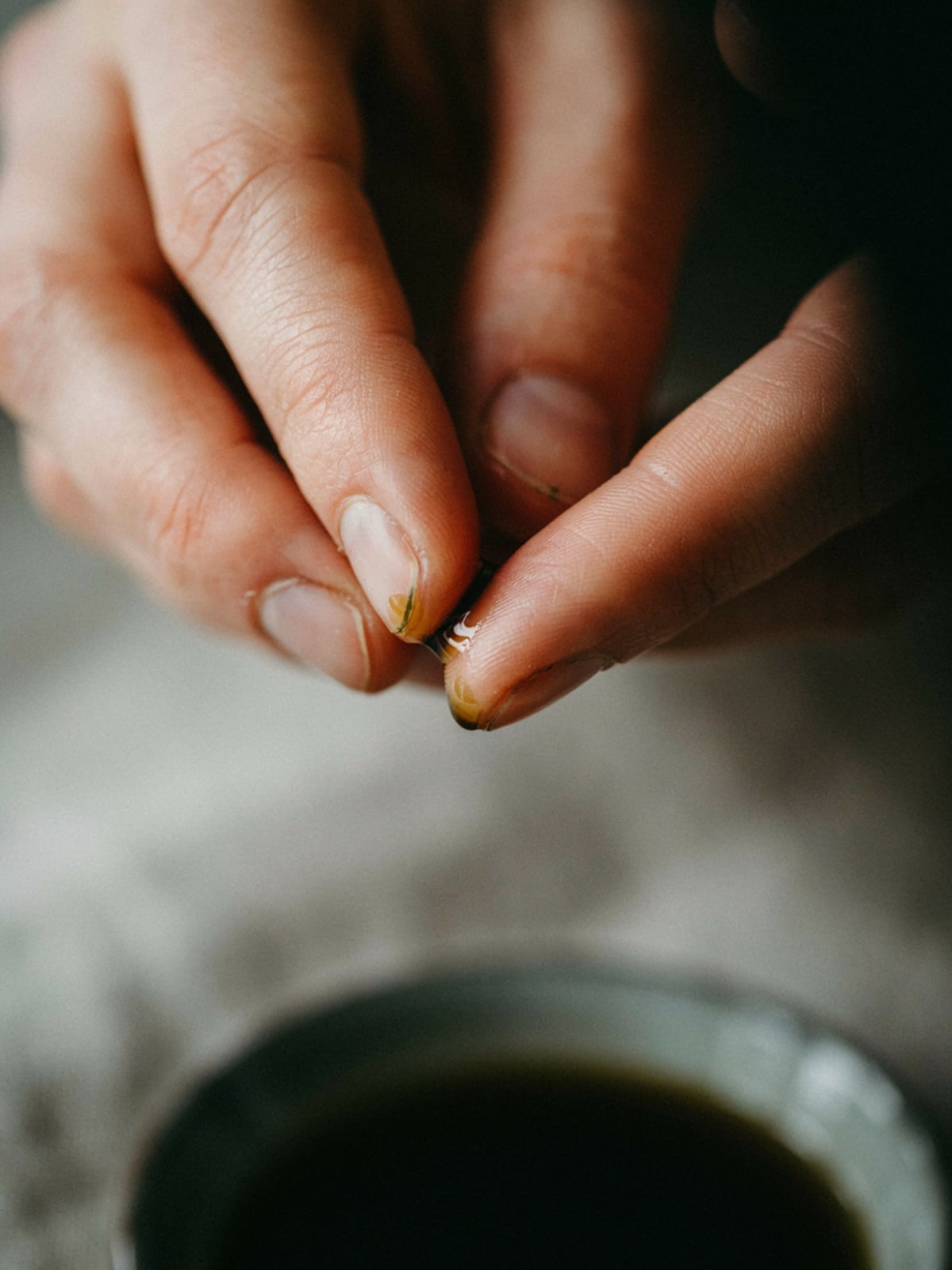
In the evening, right before bed, there is often only a glance in the mirror and one quiet minute left for the skin. Some people reach for the kitchen bottle instead of a jar from the bathroom cabinet — and wonder whether pumpkin seed oil actually works as a face oil. The answer depends a lot on your own skin type.
What This Is Really About
Pumpkin seed oil is rich, dark, and rather slow to absorb. That can feel pleasant on dry skin, but on very oily or acne-prone skin it can quickly feel too heavy. Used as a face oil, it smooths the surface of the skin and can leave a cared-for feeling — the effect is purely cosmetic. It does not treat acne, rosacea, or eczema.
Kernel, Extract, and Oil Are Not the Same Thing
When studies look at pumpkin products, the form used matters a great deal. Whole kernels bring fibre, protein, and minerals with them. Extracts are concentrated and dosed in fixed amounts. The culinary oil on your plate, by contrast, is mostly fat and fat-soluble companion compounds. Results found for kernels or capsules cannot simply be carried over to a tablespoon of oil. More on origin and composition is on the composition of pumpkin seed oil page.
A Simple Evening Routine

Apply a few drops in the evening to slightly damp skin, or mix them into an existing product. Test a small patch on the inner forearm or behind the ear first, since skin reacts to plant oils quite individually. Anyone who already uses the oil in the kitchen already knows its nutty, roasted scent — on the skin, it feels similarly familiar. Notes on use, aroma, and storage live in the kitchen.
Where the Guess Ends and Caution Begins
A plausible explanation or one positive lab result is not yet a promise of healing. Sound recommendations need several matching studies, sensible amounts, and a benefit that actually matters in daily life. Until then, the fair reading stays the same: pumpkin seed oil can meaningfully complement a skincare routine, but it does not replace a claim of treatment.
When Dermatology Helps More
For persistent redness, inflammation, or strong itching, a dermatologist's advice is more useful than another oil. A simple routine is often better anyway than many new products at once. For acute or worsening symptoms, it is wiser not to keep experimenting and to ask a professional instead.
Back to the Bottle on the Shelf
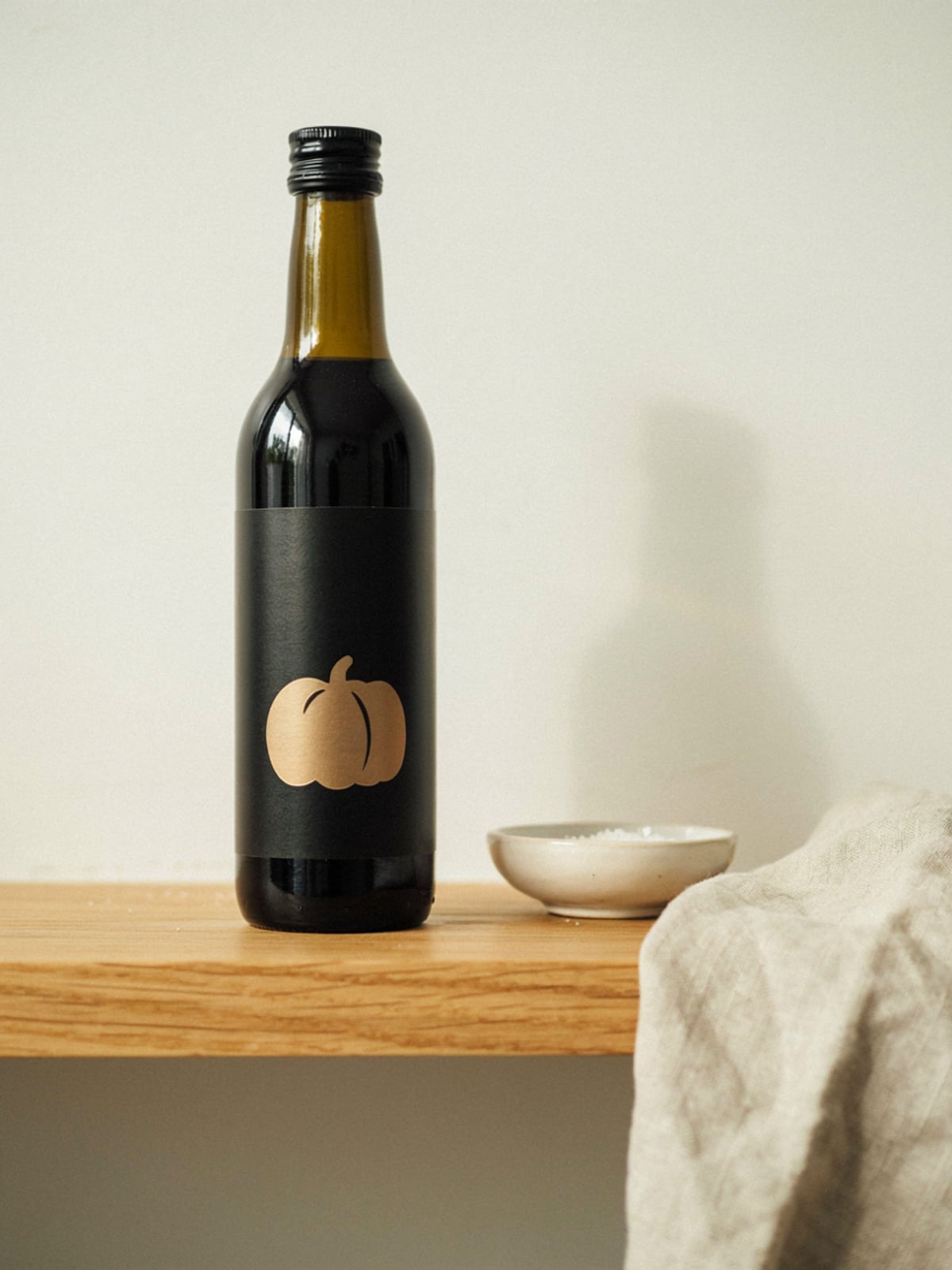
In the end, the dark bottle sits back between the kitchen shelf and the bathroom mirror — sometimes for the plate, sometimes for the skin. Anyone interested in the health side of other topics will find the same careful perspective in the health overview. A cared-for feeling in the evening — that is an honest, small goal, without promising more than that.
Shop roasted Styrian pumpkin seed oil
Shop now