The Styrian
Pumpkin Seed Oil Journal
The Styrian
Pumpkin Seed Oil Journal
- The Styrian Pumpkin Seed Oil Journal
Shop EN
pumpkinseedoil.ccShop DE
kuerbiskernoel.cc
About
This website also contains some content created with the support of AI.
Shelf Life: How Long Does Pumpkin Seed Oil Keep?
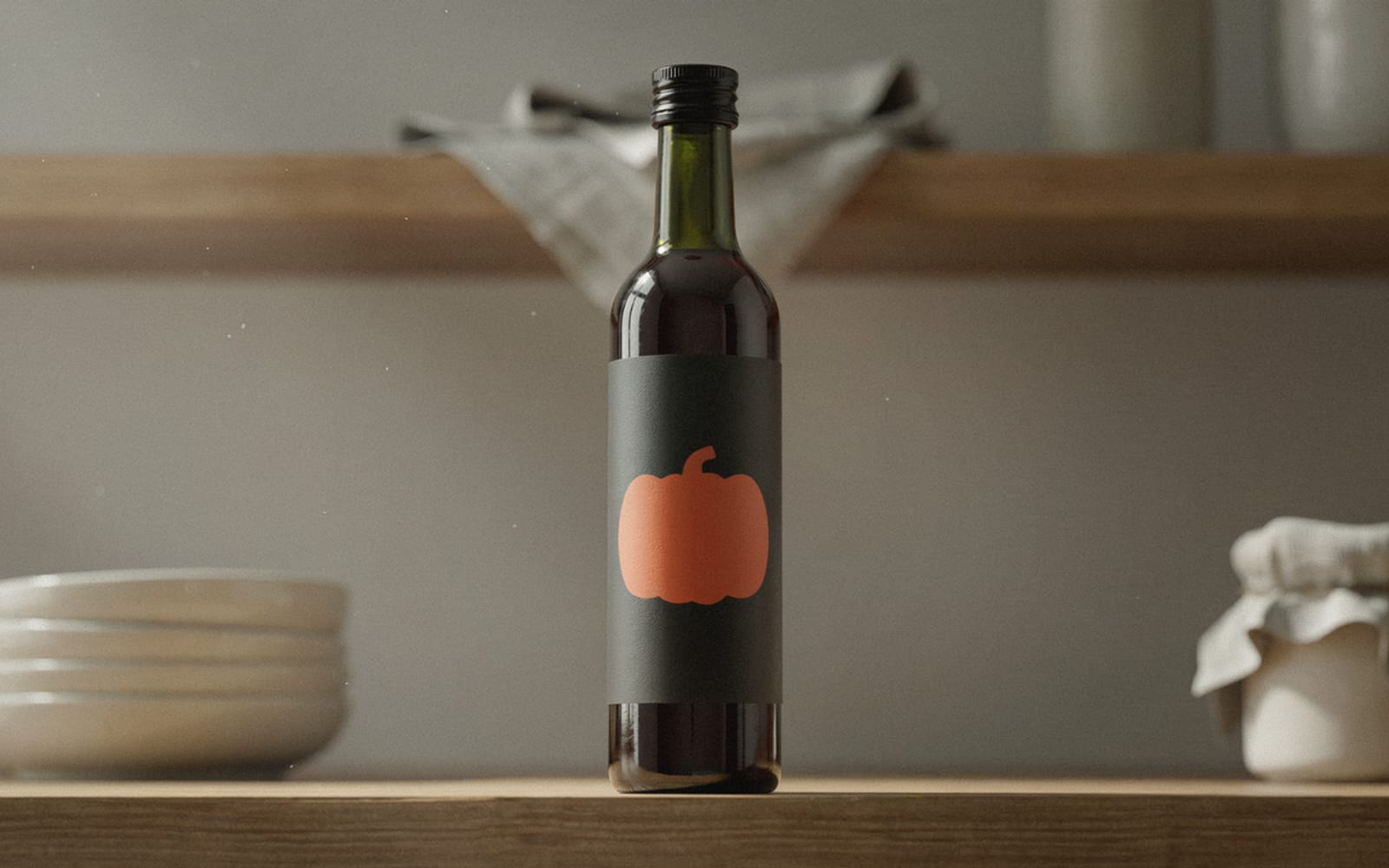
Two bottles from the same shelf, same producer, same label — and they can still be different ages. Pumpkin seed oil is rich in polyunsaturated fatty acids, exactly the fats that make it so valuable, but they also age faster than the fats in a sturdier oil like olive oil. That doesn't make it delicate or difficult. It just means its shelf life depends on your own storage more than almost any other oil in the cupboard — and a few simple habits genuinely pay off.
Unopened: the calm first stretch
An unopened bottle of genuine Styrian pumpkin seed oil, kept cool and dark, typically lasts about one to two years from the bottling date printed on the label or cap, depending on the producer. That window only holds while the bottle stays sealed and away from the stove, a window, or other heat sources. Checking the bottling or harvest date at purchase is a good habit: because Styrian oil is pressed seasonally, two bottles on the same shelf can genuinely be different ages.
Opened: the race with oxygen
Once the bottle is open, every use brings fresh contact with oxygen, and the window for peak flavour shrinks to roughly one to three months. The oil doesn't turn inedible overnight after that, but the fine, nutty notes you bought it for start to fade. The smartest move is a bottle size that matches how much you actually use — better a small bottle bought more often than a large one sitting half-full in the cupboard for months.
The dark bottle as a shield
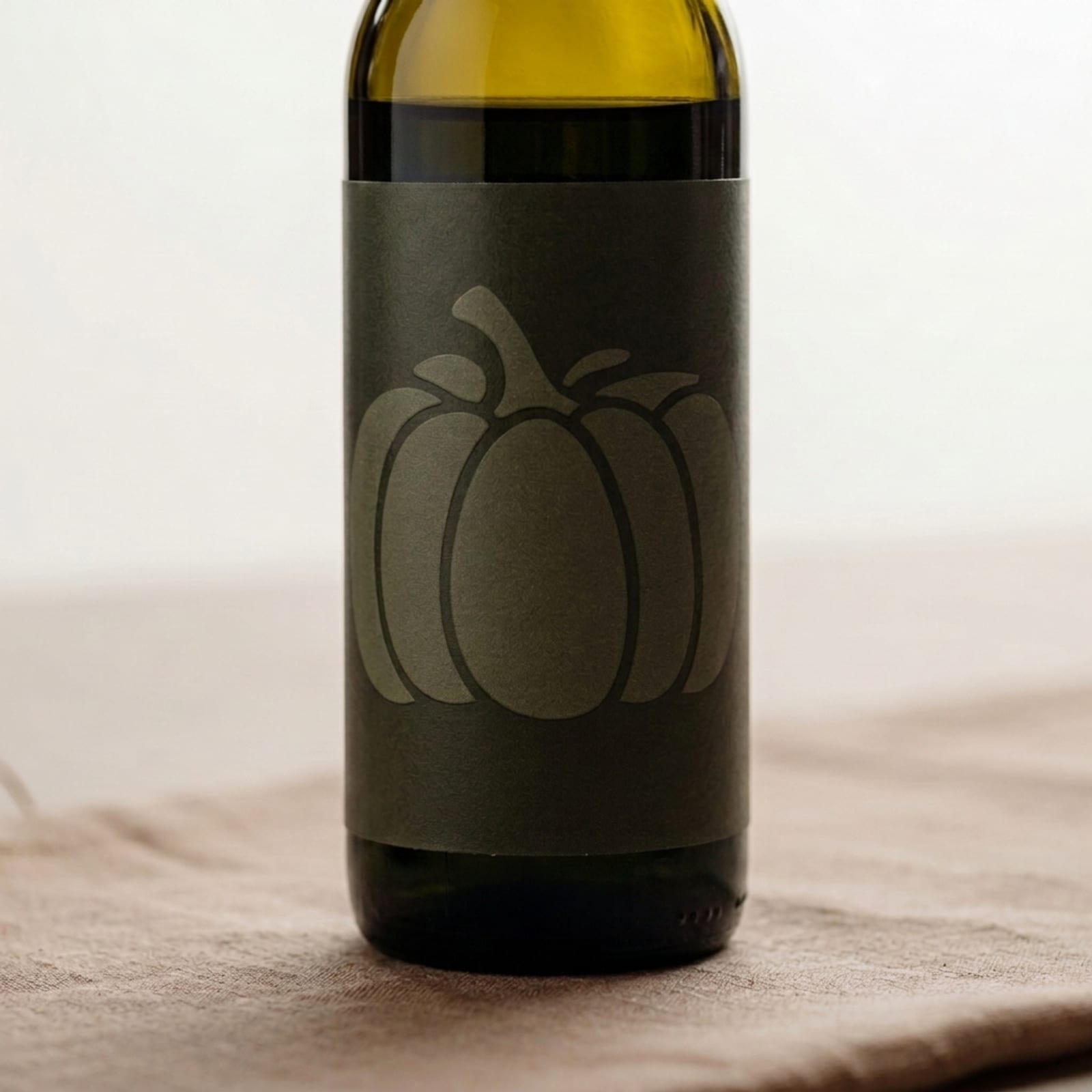
Light, heat, and oxygen all speed up oxidation, the chemical process that turns oil rancid — which is exactly why genuine pumpkin seed oil is almost always sold in dark glass. The packaging itself does part of the protecting, no accident of styling. The same principle applies at home: keep the bottle in a cool cupboard rather than next to the stove, screw the cap back on firmly right after every use, and keep it out of direct sunlight, even if it looks nice sitting on the counter.
Does it need the fridge?
Not strictly, but it can extend shelf life, especially in a warm kitchen or during summer. Some people notice that chilled oil turns slightly cloudy or thicker — a normal physical reaction to the cold, not a sign of spoilage, and it disappears again once the oil reaches room temperature. If a bottle gets used up quickly, a cool, dark cupboard is entirely enough. Anyone who uses it more slowly, or lives somewhere warm, will find the fridge a sensible extra safeguard.
The nose as the best test
When it comes to whether an oil is still good, your own nose is the most reliable judge. Fresh pumpkin seed oil smells warm, nutty, and roasted. Rancid oil, by contrast, develops a sharp, faintly bitter smell, sometimes reminiscent of old paint — clearly different from the original aroma, not just weaker. Notice that difference, and it's time for a new bottle.
A small sip to check
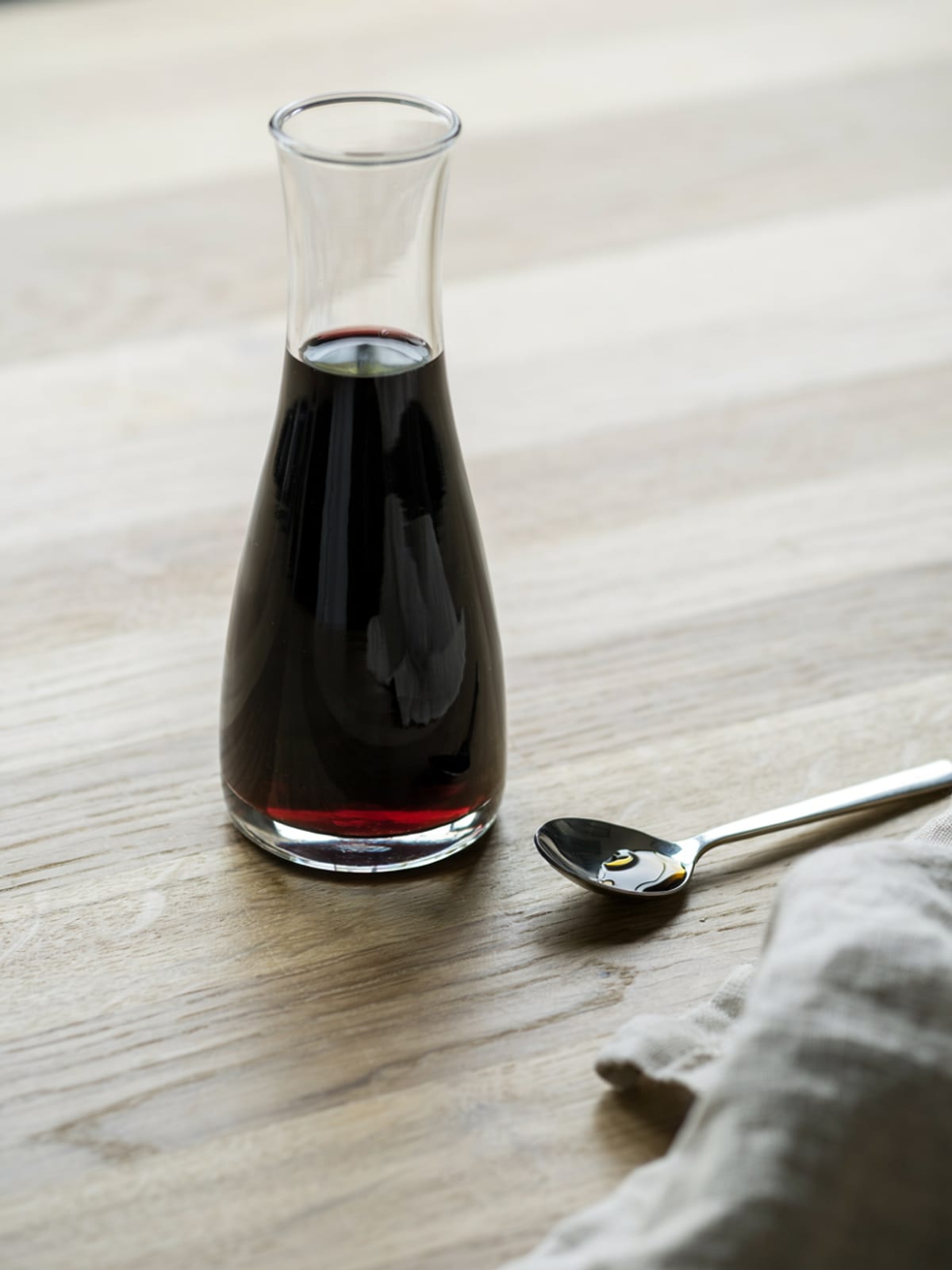
If in doubt, pour a tiny amount into a small dish, hold it up to the light for a moment, and take a deliberate smell before tasting anything at all. That small check takes only seconds and stops a tired oil from ruining an entire dish. Full storage tips, including what's completely normal at the bottom of the bottle, are under how to store pumpkin seed oil.
Buying the right amount
In the end, the shelf-life question comes down to a bit of simple planning. Anyone using the oil only occasionally, in small amounts, is almost always better off with the smaller bottle, even if the larger one looks cheaper per millilitre. The best flavour sits in that window where colour, aroma, and nutty depth are still in full form — and that window is the real reason to buy this particular oil in the first place.
Shop roasted Styrian pumpkin seed oil
Shop now