The Styrian
Pumpkin Seed Oil Journal
The Styrian
Pumpkin Seed Oil Journal
- The Styrian Pumpkin Seed Oil Journal
Shop EN
pumpkinseedoil.ccShop DE
kuerbiskernoel.cc
About
This website also contains some content created with the support of AI.
Pumpkin Seed Oil for Hair
Cosmetic notice: Cosmetic use only — not a medicine. Patch-test on a small skin area first. Stop use if irritation occurs.
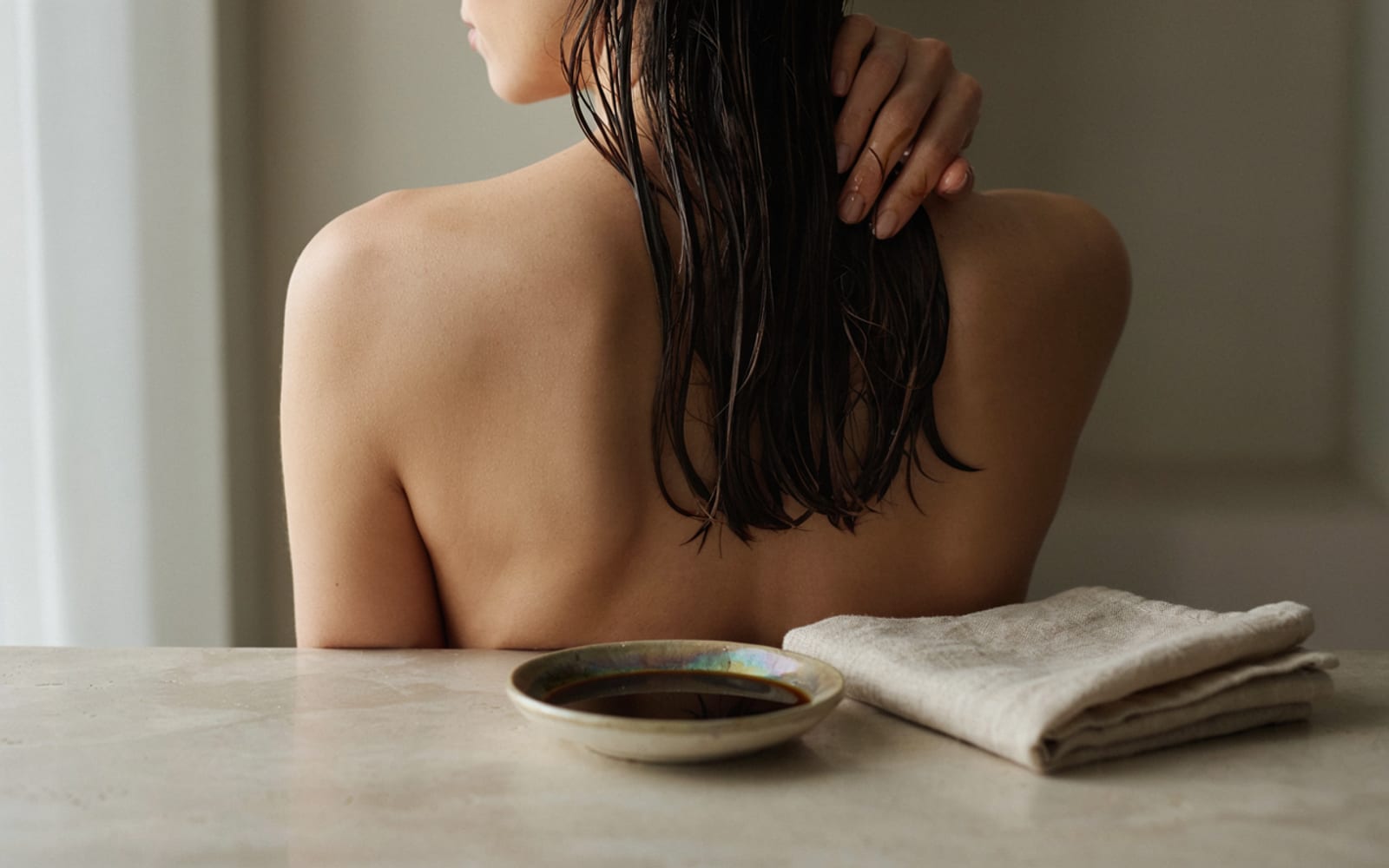
Rub two palms together with a little oil between them, let it warm for a moment, then touch it to the ends of your hair — that is how the routine starts for a lot of people. Pumpkin seed oil comes up in hair conversations for two quite different reasons, and it is worth keeping them apart. One is purely cosmetic: a rich, conditioning oil that can add shine and a smoother feel, in the same family as other seed and nut oils used on hair. The other is a specific research question about taking the oil orally and hair density, discussed online far more often than it is described accurately. This article covers the cosmetic use in practical detail and puts the research finding in honest proportion — it is not a basis for promising anyone regrowth, and nothing here replaces a doctor's advice on hair loss.
What the Oil Brings to Hair, Cosmetically
Pumpkin seed oil is rich in linoleic acid and natural pigments, which gives it a heavy, conditioning texture well suited to coating and smoothing individual strands. Used as a treatment, it can help tame frizz, add visible shine, and soften the rough, dry feel that overprocessed or weather-stressed hair often has. That is a cosmetic, surface-level effect — closer to what a rich conditioner or hair oil generally does than to any change from the inside. The composition section covers linoleic acid and the oil's other characteristic compounds for anyone curious about the chemistry behind the texture.
The Pre-Wash Treatment, Step by Step
A small amount is warmed slightly between the palms and worked through the mid-lengths and ends, sometimes massaged gently into the scalp as well. Then comes the waiting: twenty to thirty minutes, or overnight under a towel or cap for a deeper treatment, before washing out thoroughly with shampoo. Because the oil is dark and strongly pigmented, it can stain light towels and pillowcases — an old towel is worth setting aside for the job.
The Lighter Everyday Version
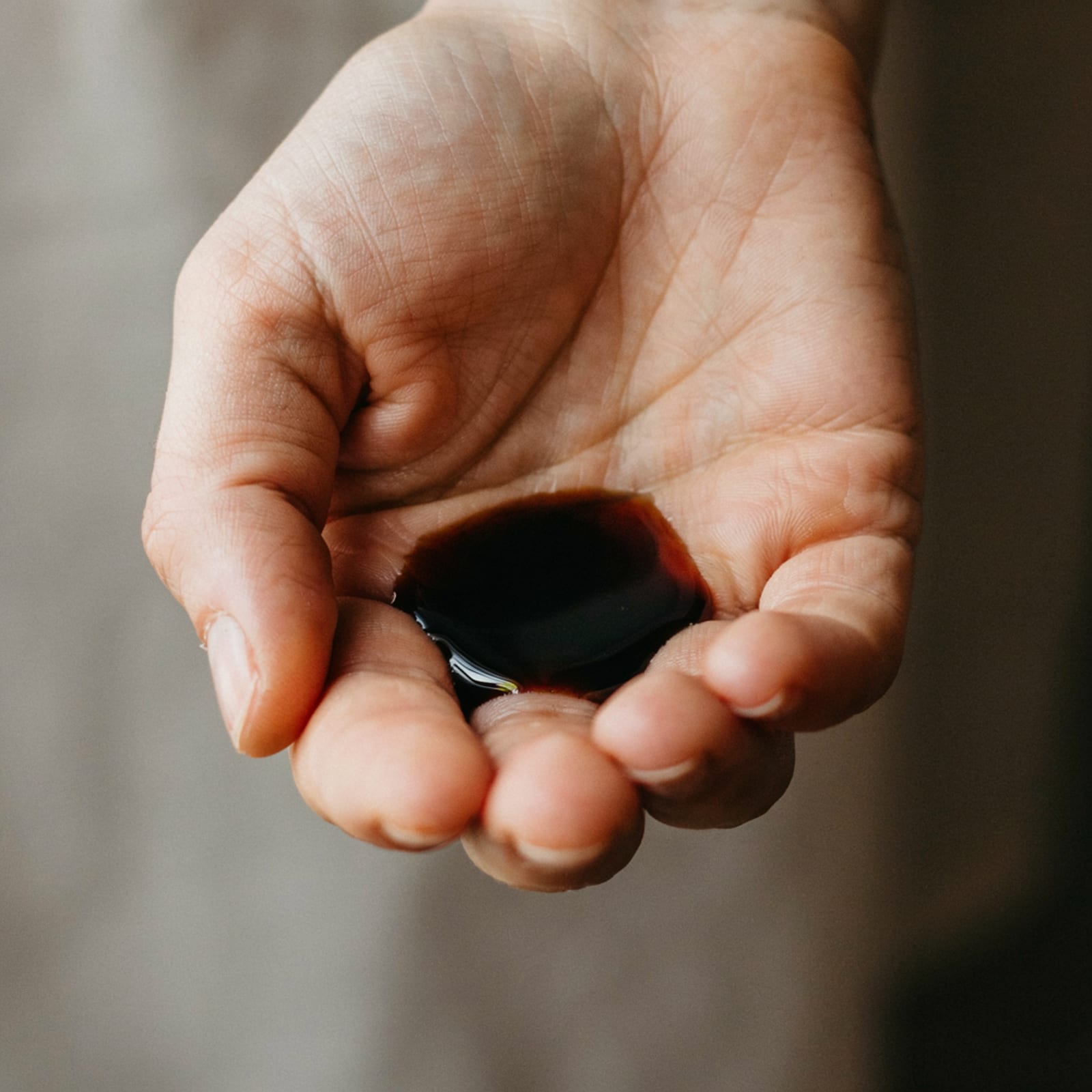
For anyone without time for a full treatment, there is a quicker version: a single drop rubbed between the fingertips and smoothed over dry ends after styling. That reduces frizz noticeably without needing a full soak and rinse. Two ways to use one oil — which one you reach for depends on how much time the day actually leaves you.
Patch Test First
Before putting any new oil on the scalp or skin, a small patch test is worth the minute it takes — a little oil on the inner forearm, left for a day. That matters especially for anyone with a known seed allergy or sensitive skin, since pumpkin seed can occasionally cross-react with other seed or plant allergies. If the test patch turns red, itchy, or irritated, the oil should stay off the scalp and hair.
The Study That Started the Hair Discussion
Much of the online interest in pumpkin seed and hair traces back to a small clinical trial that tested an oral pumpkin seed extract, taken as a capsule over several months, in men with pattern hair thinning. The study reported a moderate average increase in hair count compared with a placebo group. That is a genuinely interesting early finding, and one of the reasons pumpkin seed shows up in hair research at all — but it is a single small trial using a concentrated oral extract, not the oil you rub into your scalp, and it has not been robustly repeated at scale. Applying the oil topically is a different thing entirely from what was tested there. The effects overview places this study alongside the other topics where pumpkin seed research is still early rather than settled. Readers focused specifically on hair loss will find the fuller picture on pumpkin seed oil for hair loss.
Realistic Expectations
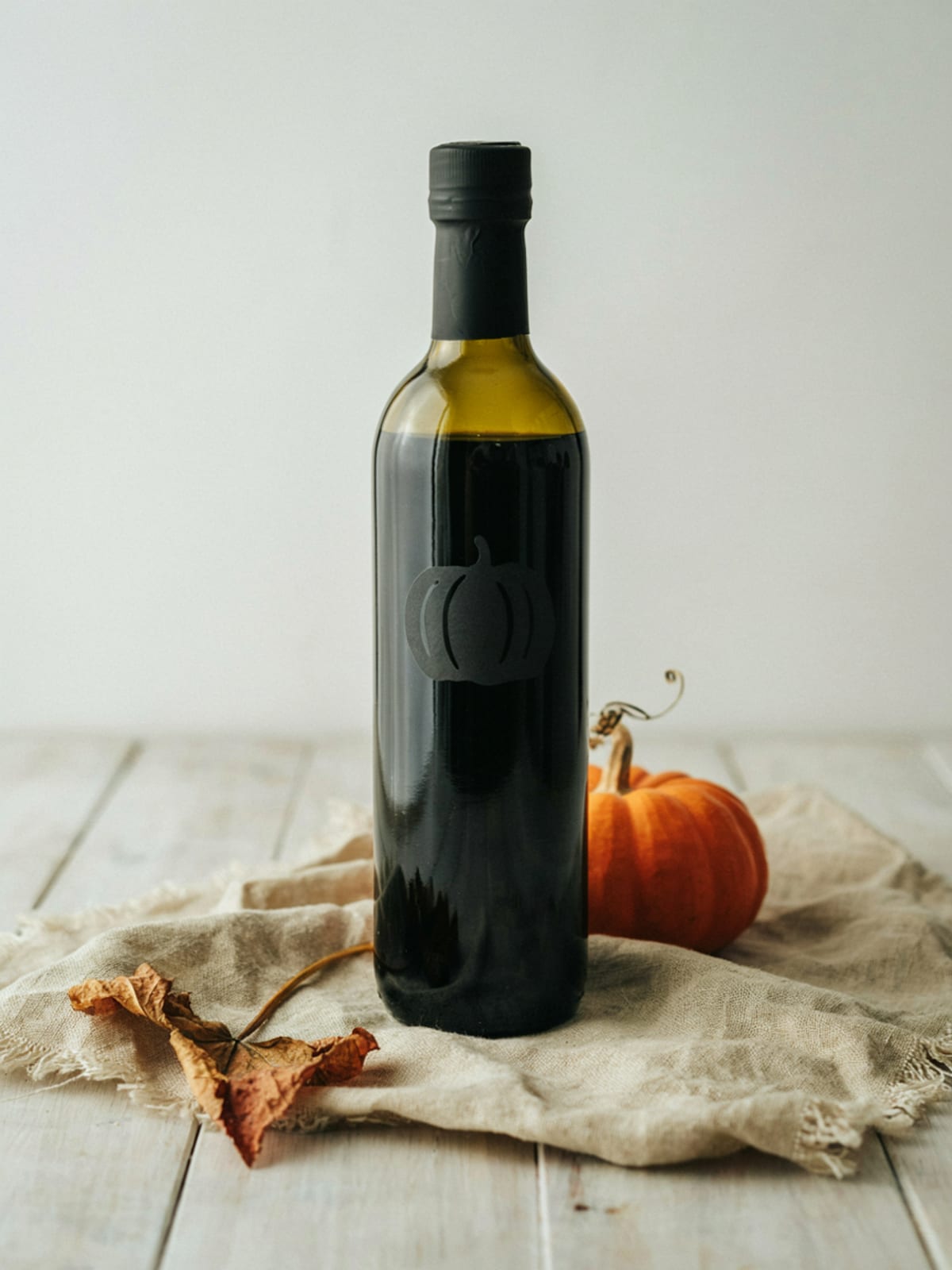
Used as a cosmetic treatment, pumpkin seed oil can reasonably be expected to add shine, calm frizz, and improve the surface feel of dry or damaged hair — the same kind of benefit you would expect from any rich, conditioning plant oil used this way. It is not a treatment for hair loss or baldness, and no honest reading of the current research supports using it that way, in any form. Anyone noticing real hair thinning is better served by a conversation with a doctor or dermatologist than by a remedy from the kitchen cupboard, however pleasant that remedy is to use.
A Place Among the Other Finishing Oils
For everyday shine and softness, though, it earns its spot — a small evening ritual with the same nutty scent you already know from the kitchen. More on where that scent fits into daily life lives in the wellness section of this journal.
Buy cold-pressed Styrian pumpkin seed oil
Shop now