The Styrian
Pumpkin Seed Oil Journal
The Styrian
Pumpkin Seed Oil Journal
- The Styrian Pumpkin Seed Oil Journal
Shop EN
pumpkinseedoil.ccShop DE
kuerbiskernoel.cc
About
This website also contains some content created with the support of AI.
Composition of Styrian Pumpkin Seed Oil
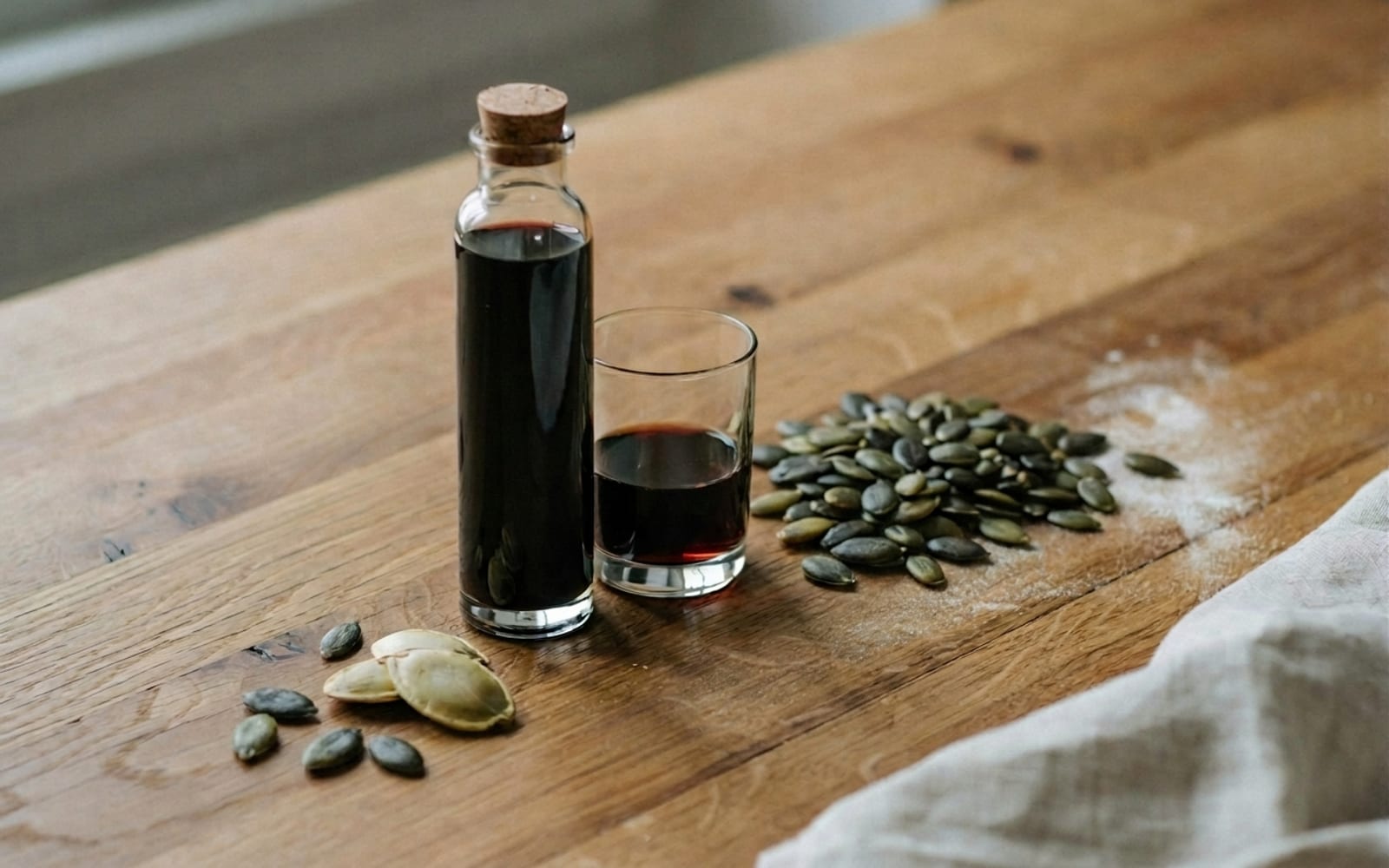
Styrian pumpkin seed oil occupies a chemically unusual position among edible plant oils. It is rich in polyunsaturated fatty acids, particularly linoleic acid. It contains a specific family of plant sterols — the delta-7 sterols — that are rare in most other oils. It carries vitamin E predominantly in the gamma-tocopherol form, rather than the alpha-tocopherol form that dominates most vitamin E-rich oils. And it owes its extraordinary colour to a combination of chlorophyll and carotenoids that are preserved, in varying degrees, through the production process. Understanding these components provides context both for how the oil behaves in cooking and for the research interest it has attracted in nutritional science.
Fatty Acid Profile
Edible oils are classified primarily by their fatty acid composition — the mixture of saturated, monounsaturated, and polyunsaturated fatty acids that make up the triglycerides in the oil. Styrian pumpkin seed oil is predominantly composed of two fatty acids. Linoleic acid, an omega-6 polyunsaturated fatty acid, typically makes up between 45 and 60 percent of the total fatty acid content depending on the specific cultivar, harvest conditions, and pressing method. Oleic acid, an omega-9 monounsaturated fatty acid, makes up roughly 20 to 35 percent. The remaining fatty acids include palmitic acid (saturated, approximately 10–14%), stearic acid (saturated, approximately 5–9%), and trace amounts of alpha-linolenic acid (omega-3) and other minor components.
This profile places pumpkin seed oil in a broadly similar category to sunflower and corn oils — relatively high in polyunsaturated fats, moderate in monounsaturates, lower in saturates. The high linoleic acid content is relevant to both culinary behaviour (polyunsaturated oils oxidise more readily under heat and storage conditions than saturated or monounsaturated oils) and to the nutritional discussions around omega fatty acid ratios in the diet.
Vitamin E — The Gamma-Tocopherol Distinction
Pumpkin seed oil is a meaningful source of vitamin E, but the specific form in which it appears is worth noting. Most commonly discussed vitamin E-rich foods and oils contain alpha-tocopherol as the dominant form. Styrian pumpkin seed oil is richer in gamma-tocopherol, which accounts for a larger proportion of its total tocopherol content than alpha-tocopherol. The two forms have different biochemical activities and different antioxidant properties in various tissue contexts. Gamma-tocopherol is less well retained in human blood plasma than alpha-tocopherol, but some research has examined whether it has distinct roles in certain physiological processes. The practical significance for dietary intake is still an area of active investigation.
Phytosterols — Delta-7 Sterols
Phytosterols are plant compounds structurally related to cholesterol that compete with cholesterol for absorption in the intestinal lumen. Many edible plant oils contain phytosterols, primarily in the form of beta-sitosterol, campesterol, and stigmasterol. Styrian pumpkin seed oil contains these common sterols, but is also notably rich in a rarer group: the delta-7 sterols, particularly delta-7-stigmastenol (spinasterol) and delta-7-avenasterol. These compounds are unusual enough that their presence in an oil is one of the chemical fingerprints used to verify authenticity and detect adulteration.
Delta-7 sterols have attracted specific research interest in the context of topics such as lower urinary tract function, partly because pumpkin seed extracts and oils have a long traditional use history in this area. The mechanisms by which these specific sterols might act are discussed in the Wellness section of this journal.
Colour Compounds: Chlorophyll and Carotenoids
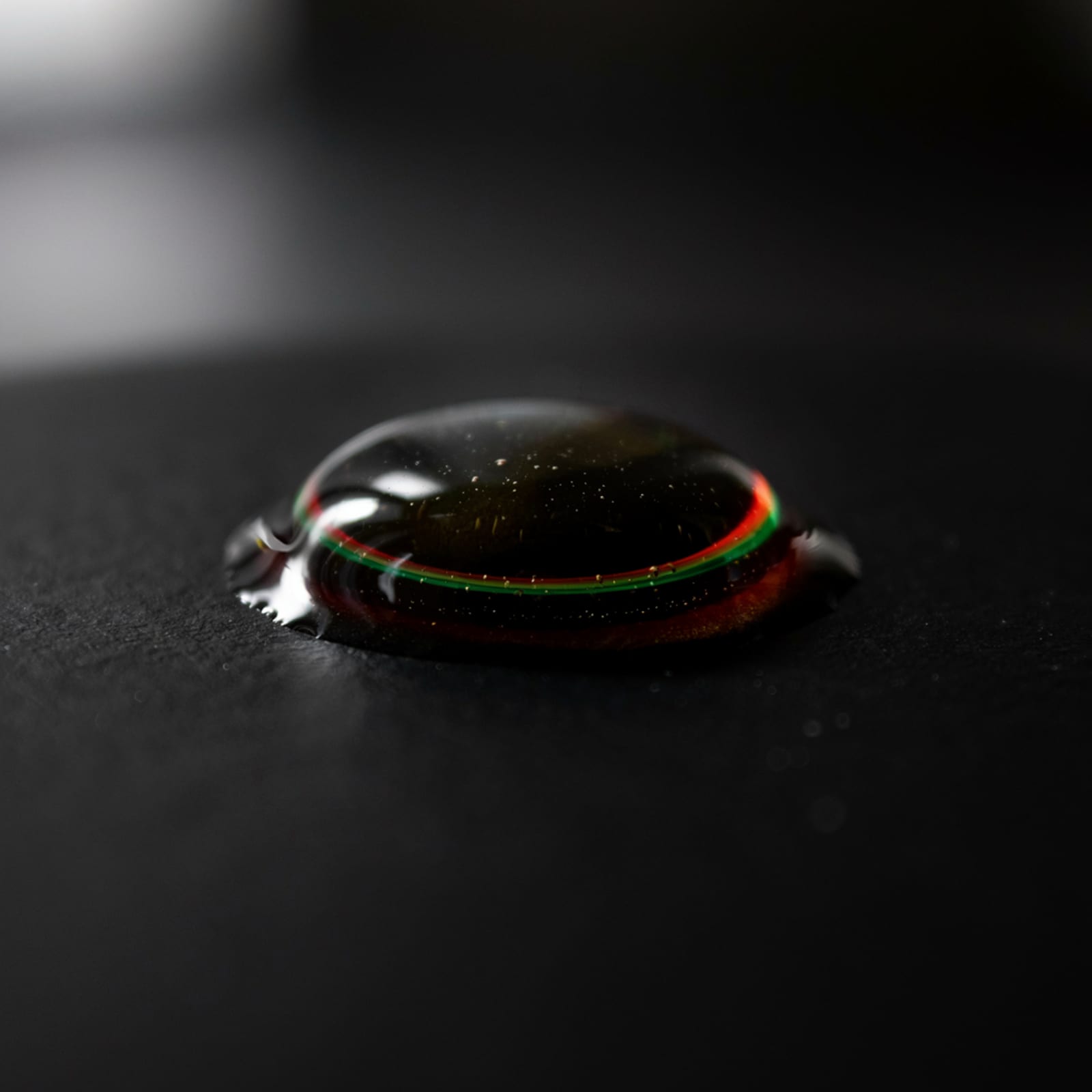
The dramatic colour of Styrian pumpkin seed oil is caused by two distinct classes of pigment compound. Chlorophyll and its breakdown products absorb light at certain wavelengths and contribute to the green-black appearance when the oil is viewed at normal depth. Carotenoids — including beta-carotene and lutein — contribute yellow-orange tones that become visible when the oil is diluted or viewed in a thin layer against strong light. The combination of these two classes of pigment creates the characteristic optical behaviour: very dark in the bottle, brick-red or garnet when held to light.
The pigment content varies depending on production method. Cold-pressed oil retains more chlorophyll than traditionally roasted oil, which is why cold-pressed Styrian pumpkin seed oil tends to have a greener, slightly less dark appearance and a somewhat lighter flavour character. The roasting process partially degrades some pigment compounds while generating Maillard browning products that contribute to the deeper brown-black colour and the roasted aromatic character of the traditional oil.
Minor Components
Beyond the major categories, pumpkin seed oil contains a range of minor components that contribute to flavour, colour, and the research interest around it. These include small amounts of selenium, zinc (in the seed itself rather than the oil), a range of phenolic compounds with antioxidant properties, cucurbitin (a non-protein amino acid specific to the cucurbit genus), and various volatile aromatic compounds generated during roasting that are responsible for the characteristic nutty, toasted grain notes in the aroma.
Nutritional Values per Tablespoon
A tablespoon of pumpkin seed oil (approximately 14 ml) provides roughly 120–130 kcal, entirely from fat. The oil contains no protein, carbohydrate, fibre, or sodium. The vitamin E content per tablespoon is typically in the range of 2–4 mg tocopherol equivalents, depending on the oil's freshness and production method. As with all edible oils, the specific values for a given bottle will vary slightly depending on cultivar, growing conditions, and production method — these are typical ranges derived from published analyses of authentic Styrian PGI oil, not regulatory guarantees.
For a closer look at phytosterols, tocopherols, and pigments, see key ingredients and active compounds. Health-related reading lives in Wellness.
Shop hull-less Styrian pumpkin seed oil
Shop now