The Styrian
Pumpkin Seed Oil Journal
The Styrian
Pumpkin Seed Oil Journal
- The Styrian Pumpkin Seed Oil Journal
Shop EN
pumpkinseedoil.ccShop DE
kuerbiskernoel.cc
About
This website also contains some content created with the support of AI.
Choosing the Right Bottle Size
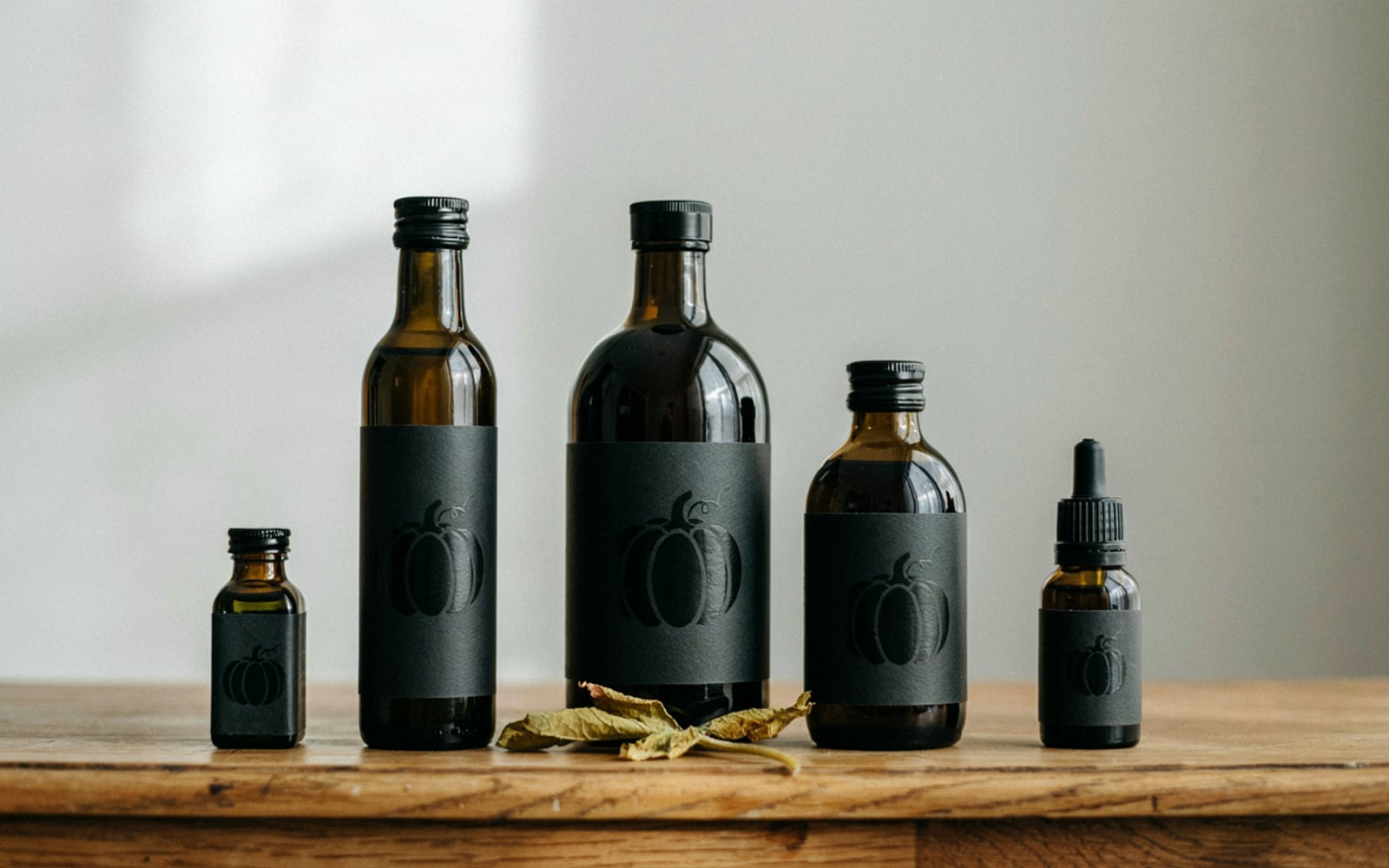
Standing at the shelf, a simple question suddenly turns into a small calculation: 100 ml, 250 ml, 500 ml, or a full litre? For a neutral oil used for frying, it would barely matter. For pumpkin seed oil it does, because the moment the bottle opens, a quiet race against time begins. How often you use the oil, how many people you're cooking for, and how much every spoonful at peak aroma matters to you — all of that ultimately answers which size actually fits.
100 ml — the cautious first step
Anyone who's never tried genuine Styrian pumpkin seed oil often reaches for the smallest bottle first. No risk, no big investment, just a first impression before a larger quantity lands in the cupboard. That exact size also works beautifully as a gift: small enough for a suitcase, appealing on a table, without the gesture feeling overwhelming. The price per millilitre runs highest here — anyone who discovers a taste for the oil almost inevitably moves up to more eventually.
250 ml — the everyday size
One or two people who like using pumpkin seed oil as a finish over salad, soup, and the occasional warm dish find a good balance in the 250 ml bottle. At two to four tablespoons a week, it lasts roughly six to twelve weeks after opening — comfortably within the window where well-stored oil keeps its quality. For anyone who's just discovered pumpkin seed oil as a fixture in the kitchen without wanting to commit to the next size up, this is often the right fit.
500 ml — when the oil becomes a habit
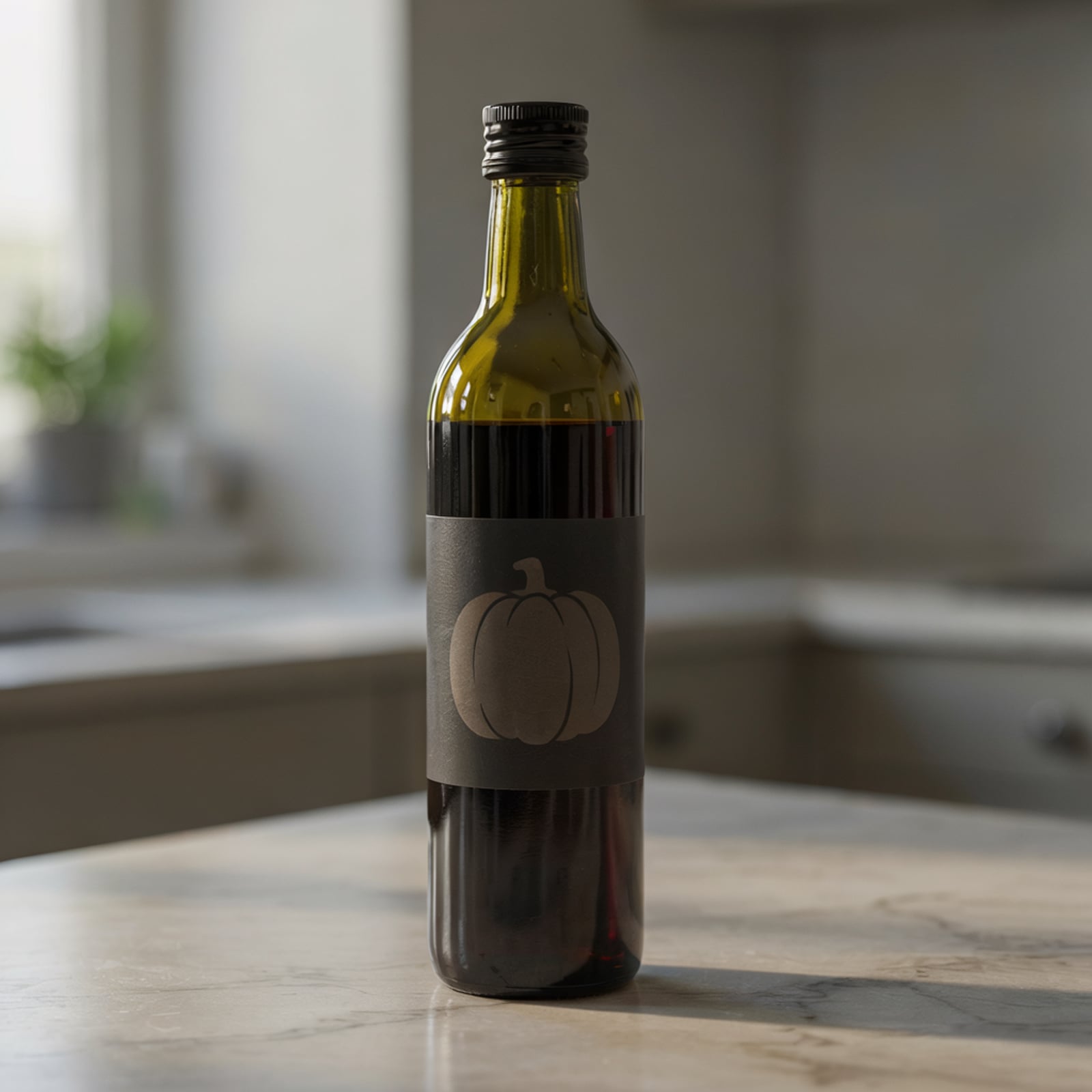
Things look different once Styrian salad shows up regularly, pumpkin soup has become a repeat favourite, and several people in the household are eating along. At that rate of use, the 500 ml bottle gets finished well within the recommended window, and the price per millilitre drops noticeably compared with the smaller formats. A cool, dark spot in the cupboard matters even more at this volume — after all, more oil needs protecting over a longer stretch of time.
1 litre — a decision that comes with responsibility
A full litre of quality pumpkin seed oil suits professional kitchens, restaurants, or households with genuinely high consumption best — a family of six using the oil daily as a core seasoning, for instance. For most private households, a risk lurks here: running past the recommended usage window before the bottle empties. Anyone considering this size should first honestly estimate how quickly 500 ml gets used up, then scale from there. The lower price per litre only pays off economically if the oil actually gets used fast enough to stay at its best.
The moment after opening
Once opened, every bottle starts the same countdown: eight to twelve weeks, stored in a cool, dark cupboard, away from heat sources and light. The oil doesn't spoil all at once — it loses character gradually, a slightly flat or musty note creeping in as oxidation progresses. That bright, roasted nuttiness that makes genuine Styrian oil worth buying in the first place is exactly what fades first. Cool storage slows this process noticeably; just let the oil return to room temperature before using it, since it thickens slightly when chilled.
How fast your spoon really moves
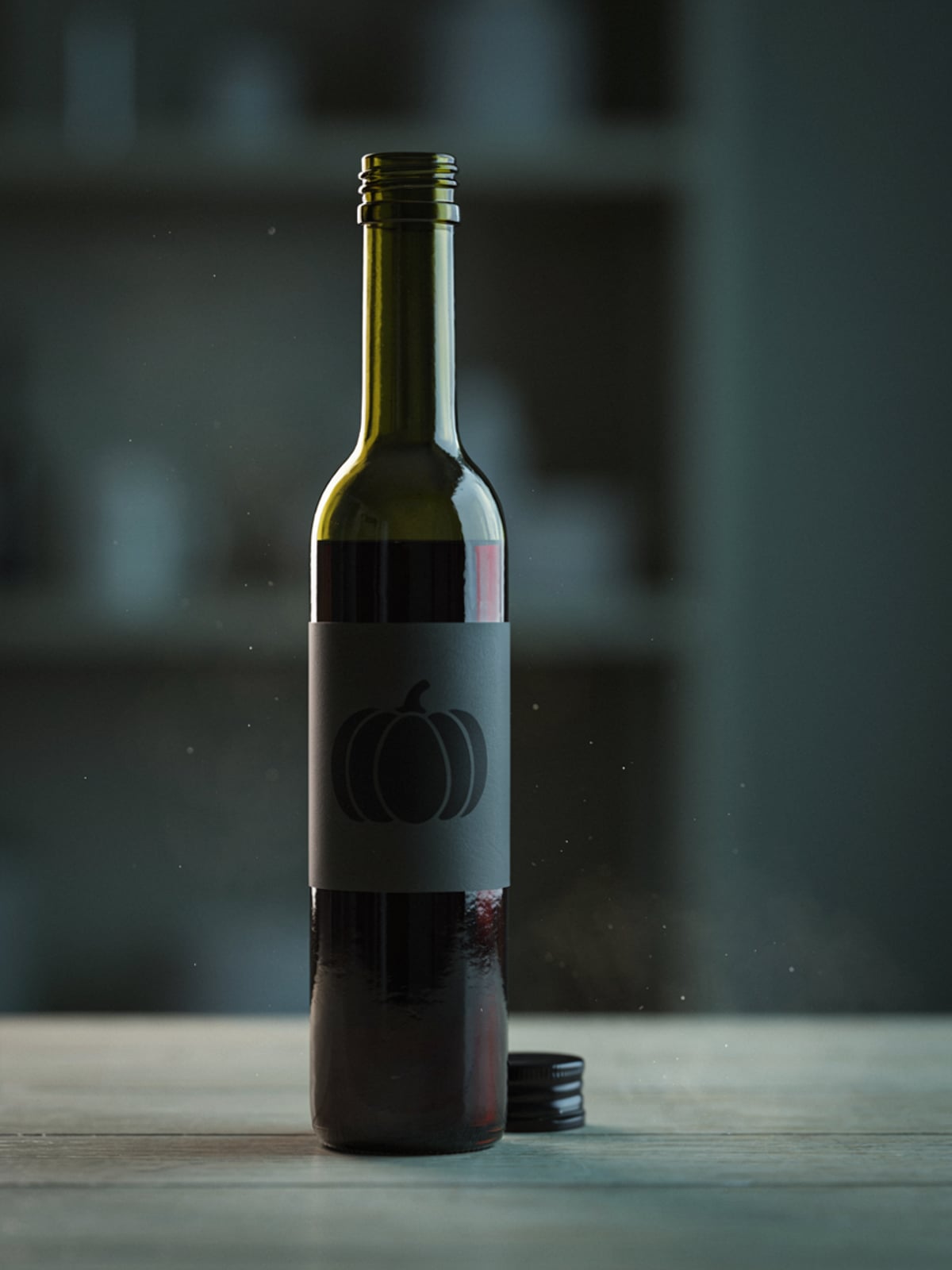
The most honest question at the shelf isn't "which size is cheaper" but "how many spoonfuls does this household actually get through in eight weeks?" Answer that once, and the right bottle size almost finds itself — not from a chart, but from your own everyday cooking. Detailed guidance on conditions and timing sits under storage and shelf life.
Size is not a quality marker
Whichever size you settle on, the bottle itself says nothing about the quality of what's inside. A 100 ml bottle of genuine PGI-certified Styrian oil from a named producer is a far better purchase than a litre of unclear origin. What to check on the label before the size question even comes up is explained under quality checking; where to find reliable sources is covered under where to buy.
Buy flavour-rich Styrian pumpkin seed oil
Shop now