The Styrian
Pumpkin Seed Oil Journal
The Styrian
Pumpkin Seed Oil Journal
- The Styrian Pumpkin Seed Oil Journal
Shop EN
pumpkinseedoil.ccShop DE
kuerbiskernoel.cc
About
This website also contains some content created with the support of AI.
Autumn in Styria
Autumn does not announce itself in Styria with a calendar page but with your nose. The air smells first of damp earth and woodsmoke, then, weeks later, of roasting seed. Fields that were only green in summer turn into a workshop: harvesters, drying yards, mills running late into the evening. For everyone else, the season stays simpler but just as alive — a soup pot, a little vinegar, and the first thread of oil over something warm.
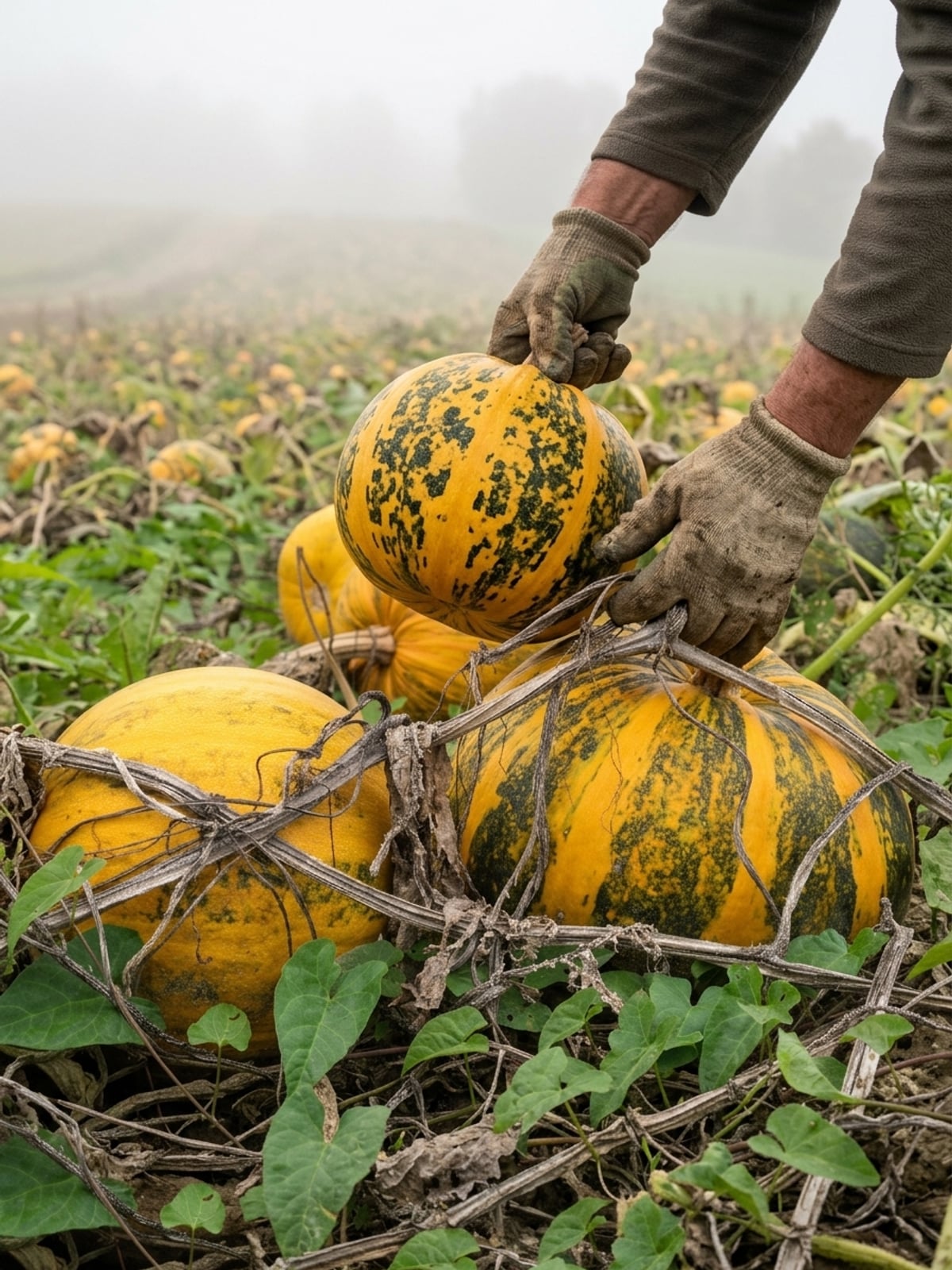
When the Fields Start Working
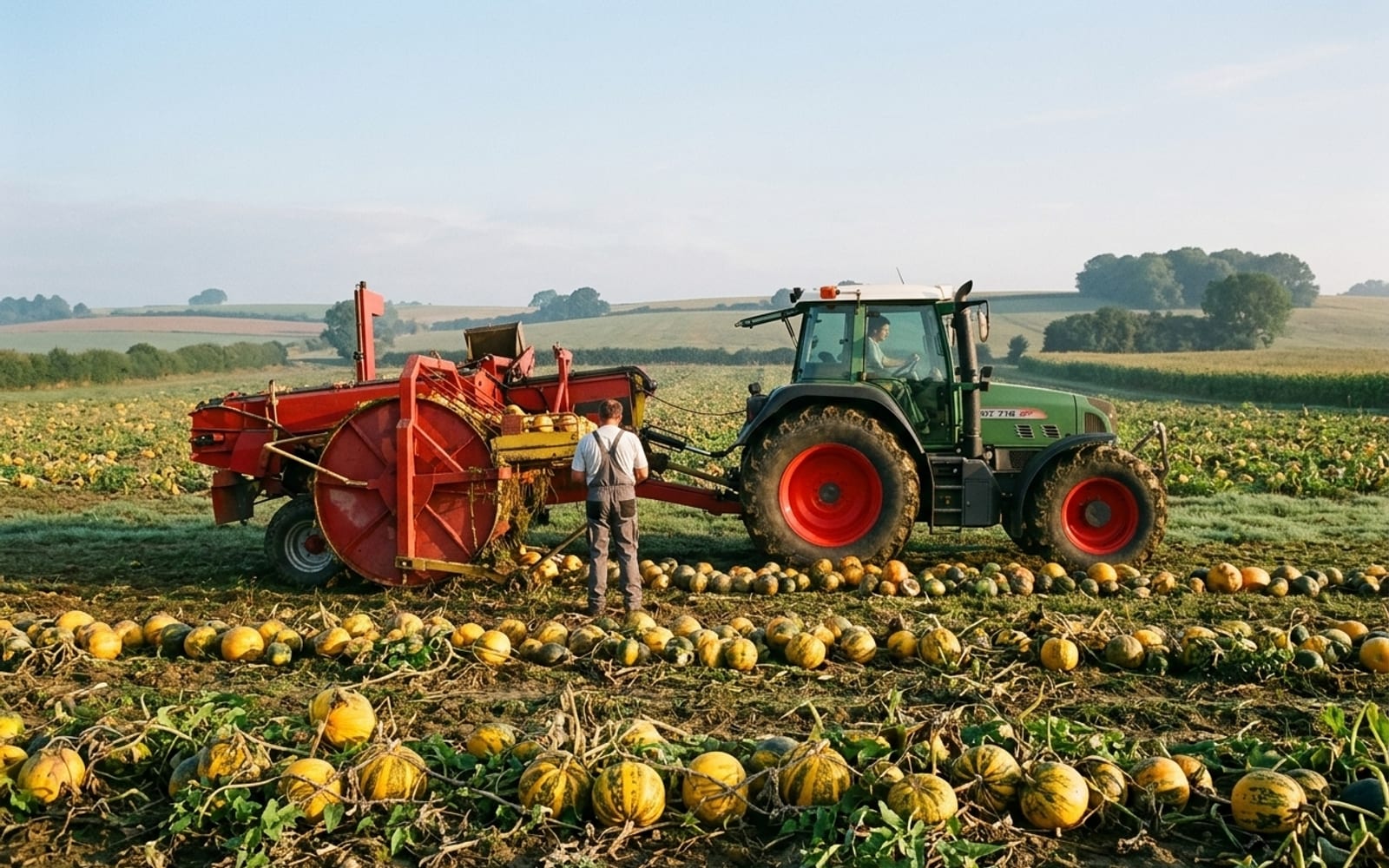
In early September, the weather decides how relaxed the coming weeks will be. Ground that is too wet slows the machines; waiting too long risks colliding with the first autumn rain — growers watch the sky more closely than any app. Harvest day itself is loud and practical, no theatre: Harvest Day. Where these fields lie is shown in Styrian Landscape, and the origin behind it in Styrian PGI.
When the Villages Smell of Toast
The moment seed meets heat, the smell changes: fresh pumpkin turns into warm toast that reaches whole villages. This one step is exactly what turns pale seed into the signature you later smell straight from the bottle. Visit a mill in autumn, and the bottle afterward feels entirely different: Mill Visit, Roasting, From Seed to Shop.
When the Bottle Returns to the Table
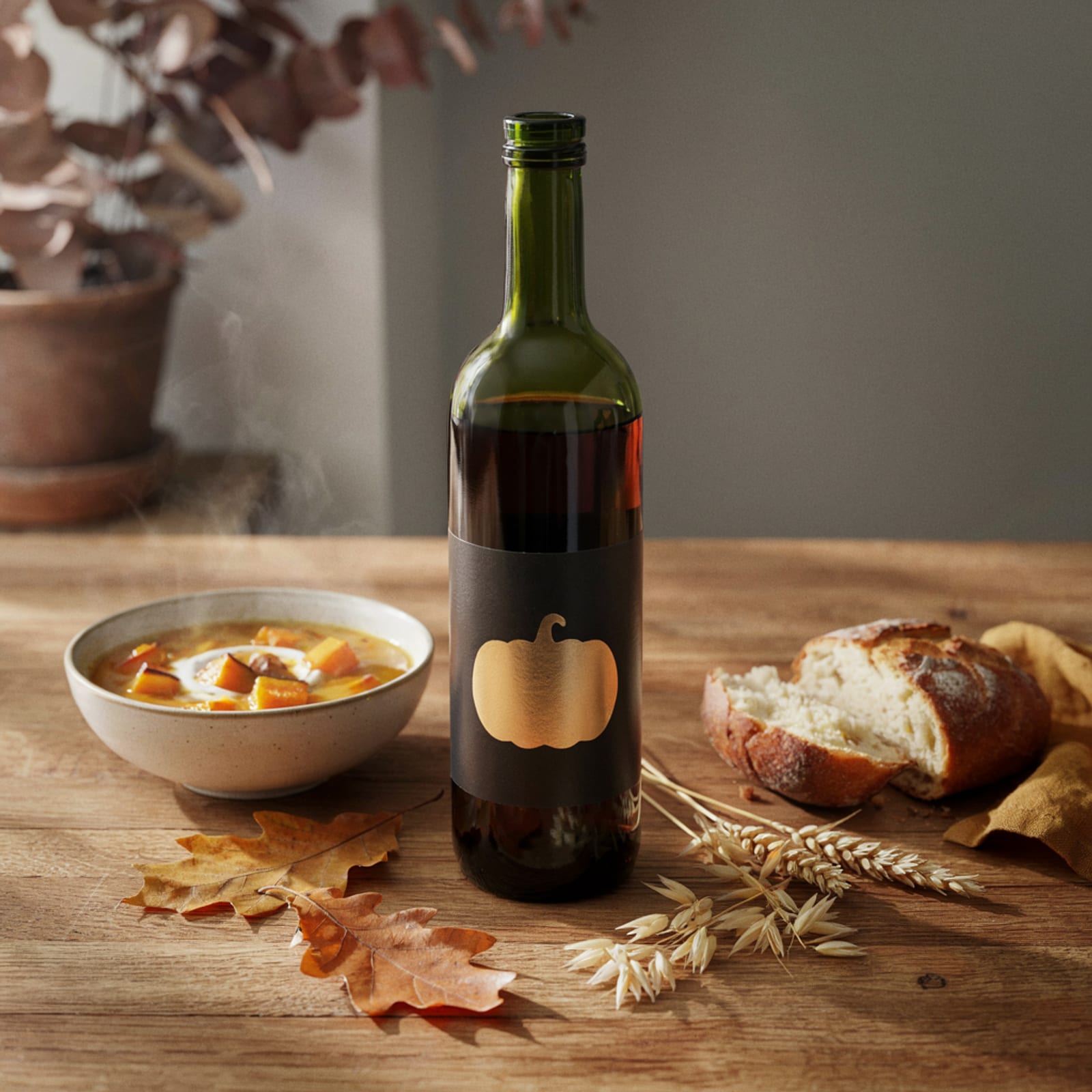
Pumpkin soup, potato salad, roasted vegetables straight off the heat, soft eggs on the weekend — autumn brings exactly the plates the oil has been waiting for all year. The bottle moves closer to the vinegar and salt without anyone remarking on it. Culture of the pour: Table Culture. Kitchen routes: Kitchen, Cold Plates, Pairings.
Shorter Days, Darker Bottle
As days shorten, meals move back indoors. On the table, a dark bottle looks almost ceremonial by candlelight — until someone pours and the green appears: Bottle and Pour. Many people meet the oil for the first time exactly in these weeks, when kitchens lean into local flavour: Taste Memory.
The Best Weeks for Travellers
For oil-minded travellers, autumn is the richest stretch: markets are still lively, mills are busy, menus stay honest. It is editorial wandering, not a booking list — Travel Notes. Anyone bringing a bottle home should finish it while the roast note still shines: Storage, Fridge FAQ.
Markets That Smell of Seed
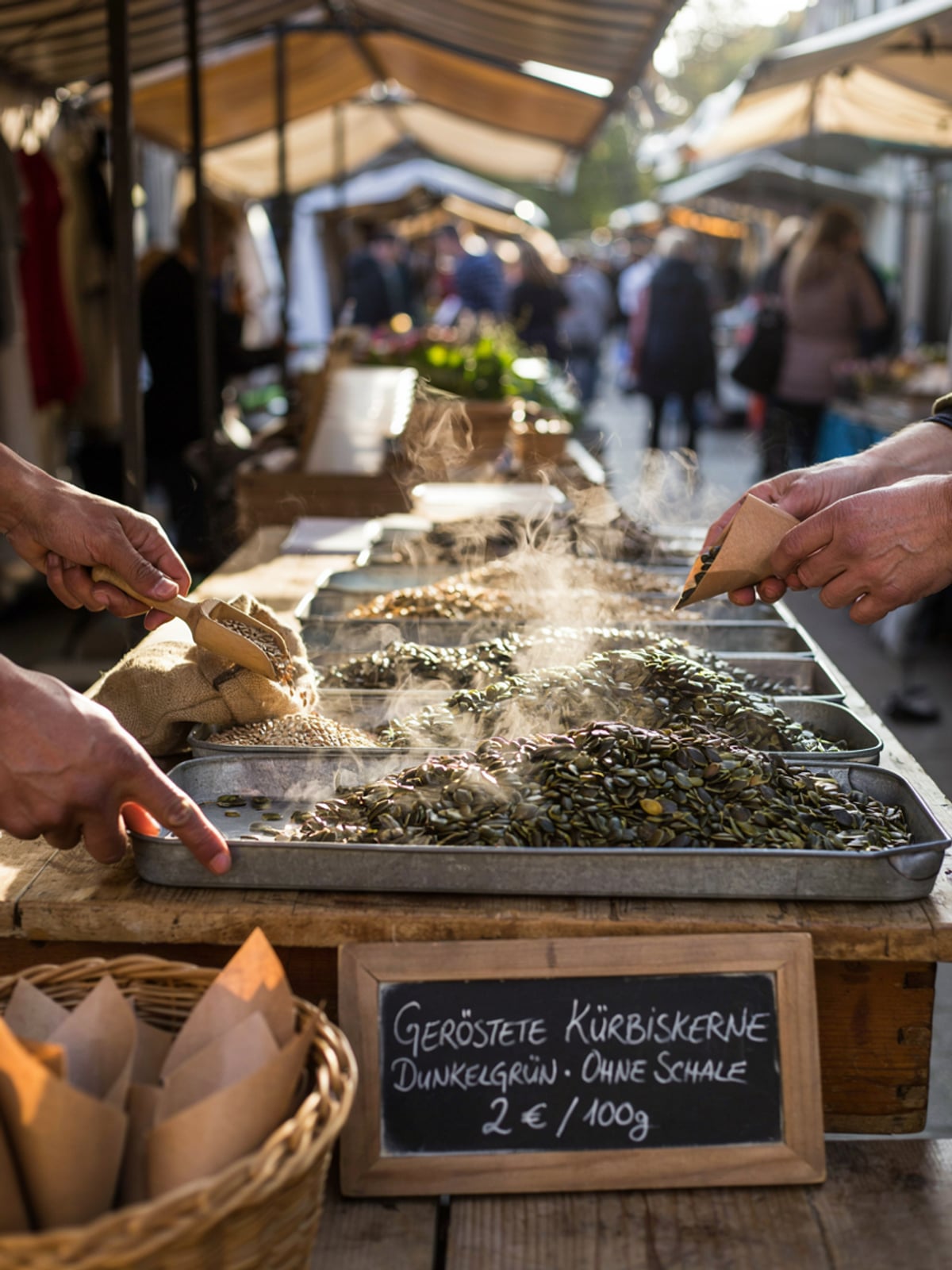
At autumn markets, seed, oil, and squash pile up side by side. Ask which bottles are pure and which are blends, and you usually get a plain answer, no sales theatre — just honest PGI language. A bag that cushions glass well belongs on every market walk; back home, Compare and Quality help if a label still puzzles you.
What Remains When the Machines Fall Silent
Once the fields go quiet, exactly one thing remains: the bottle in the cupboard. Autumn gives the understanding of what is inside it; the months that follow give the task of actually using it while the aroma stays alive. How to cook with it rather than fry with it is covered in Can You Cook with It? — and when next September smells of toast again, the same cycle starts over.
Taste Styrian oil the way locals use it
Shop now