The Styrian
Pumpkin Seed Oil Journal
The Styrian
Pumpkin Seed Oil Journal
- The Styrian Pumpkin Seed Oil Journal
Shop EN
pumpkinseedoil.ccShop DE
kuerbiskernoel.cc
About
This website also contains some content created with the support of AI.
Is Pumpkin Seed Oil Vegan and Gluten Free?
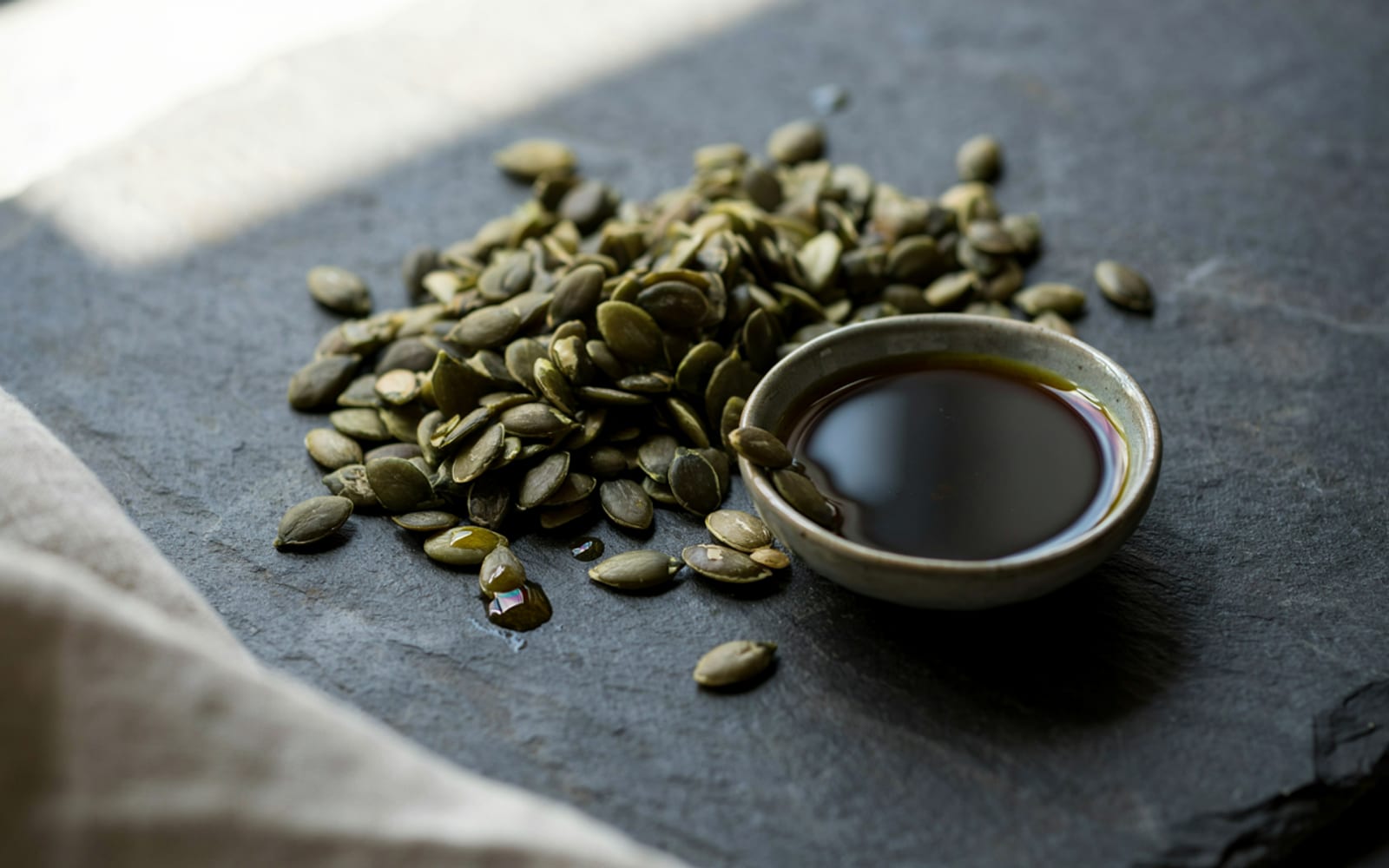
The week's shopping is still sitting on the table. Between lentils, oat milk, and a bunch of radishes stands a dark bottle of pumpkin seed oil. Anyone just switching to a plant-based diet picks it up and turns it over. The scent that rises on opening is warm and roasted, almost like fresh-baked bread. And then the question arrives almost on its own: is there really nothing animal in there? And what about gluten?
Kernel, Not Cow
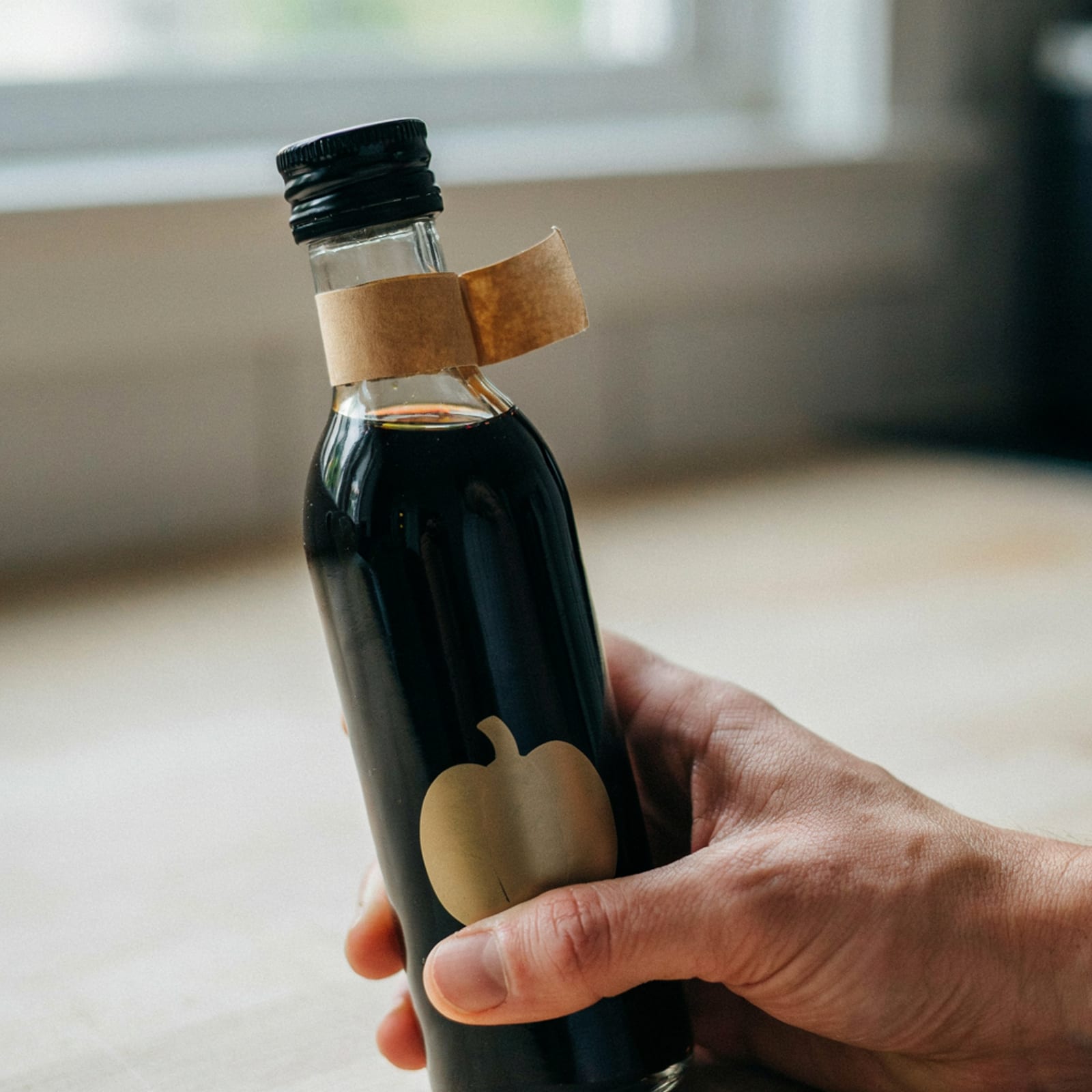
The answer starts with the raw material. Only roasted pumpkin kernels go into the press — no egg, no milk, no animal aid mixes in. Kernel in, oil out: the classic product needs nothing more than that. That's exactly why the dark green bottle finds its place in plant-based kitchens, often right next to the salad or the soup. More at is pumpkin seed oil vegan?, what is Styrian pumpkin seed oil?
No Grain, So No Gluten
Pumpkin seeds aren't a cereal grain. They don't grow as an ear in a field — they ripen inside the fruit itself, and so they naturally carry no gluten. Cross-contact would only be a concern in unusual industrial settings, not in an ordinary oil mill. Anyone living with coeliac disease and needing certified labelling is best guided by their doctor's advice or national recommendations.
Watch for Blends and Additions
Not every bottle on the shelf is the same. Milder “salad oil” blends combine pumpkin seed oil with other oils — they usually stay vegan and gluten free, but colour and flavour change noticeably. More at blend or pure? Flavoured specialty bottles with additions deserve a second look at the ingredient list; what the origin seal actually means is explained at what does PGI mean?
A Teaspoon for Plant-Based Cooking
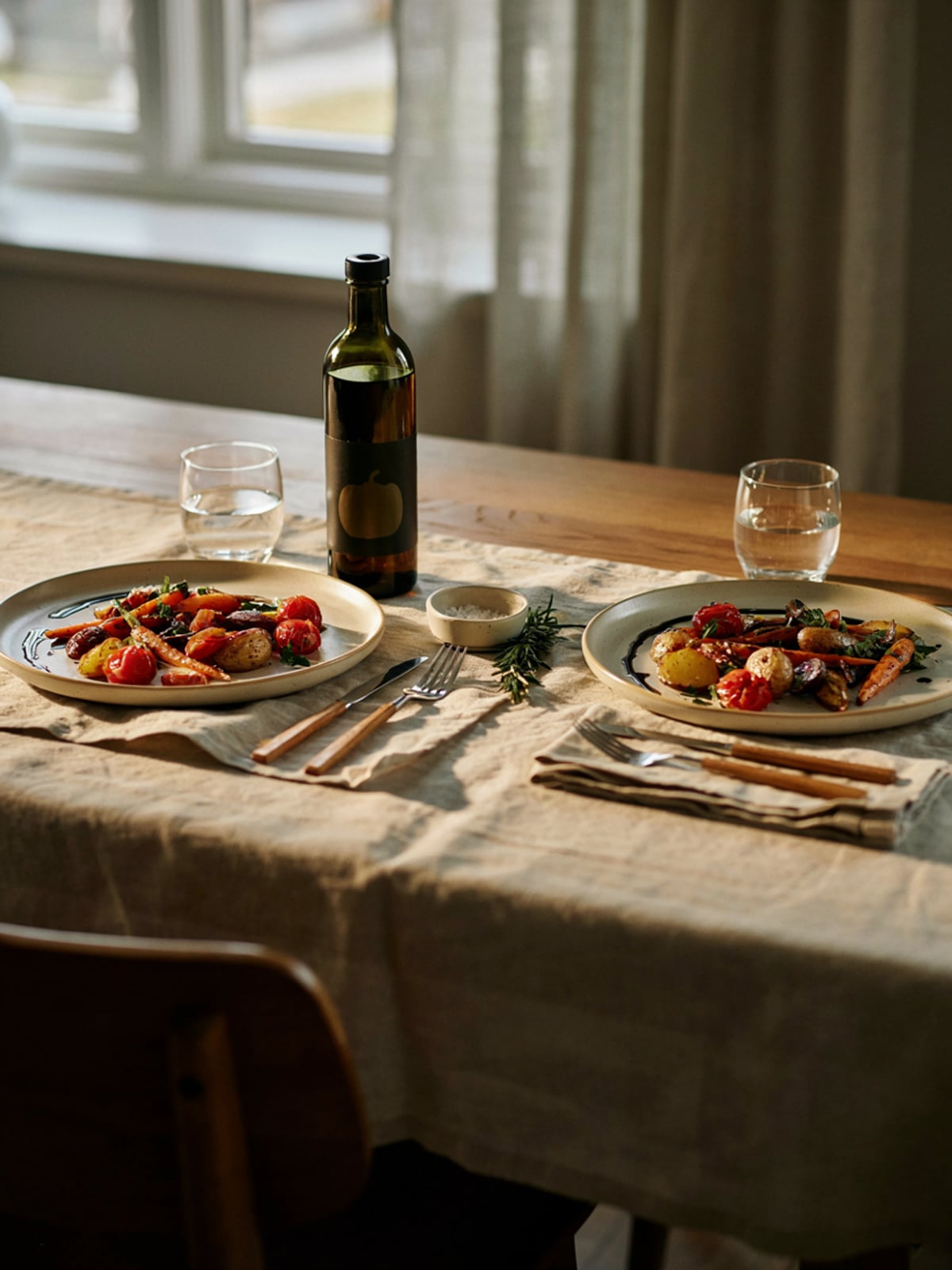
In a hot pan the oil loses its character, so it's better kept as a finish than a frying fat — more at can you cook with it? A teaspoon over lentils, pumpkin soup, or a cold plate is usually enough to transform the whole dish; the right amount is covered at how much per salad? Colour and roast note are part of the character here, not an animal ingredient — more at why so dark?
A Good Oil, Not Medicine
Being vegan and gluten free doesn't turn the oil into a cure or a miracle product. It stays a food with bold flavour and a fair price. People who cook with it often say: the scent tells you whether it's worth it — not the label alone. That clarity is exactly what makes it easy to shop for and enjoy.
Allergies Are a Different Story
Seed allergies are possible even when a food is vegan and gluten free. Anyone with a known allergy to pumpkin seeds should follow their doctor's advice, regardless of what the label says. This answer covers dietary labelling questions, not an allergy diagnosis.
When Flour Dust Drifts Through the Kitchen
In households that bake a lot, fine flour dust sometimes lingers in the air — that's a question of environment, not an ingredient in the oil. Anyone who must cook strictly gluten free simply reaches for separate utensils around messy cutting boards. The bottle itself stays untouched by any of that, and the teaspoon poured over dinner closes the question the same way it began at the kitchen table: with a reach for the dark bottle and a clear yes. More answers in the FAQ hub.
Discover Styrian Kürbiskernöl for your kitchen
Shop now