The Styrian
Pumpkin Seed Oil Journal
The Styrian
Pumpkin Seed Oil Journal
- The Styrian Pumpkin Seed Oil Journal
Shop EN
pumpkinseedoil.ccShop DE
kuerbiskernoel.cc
About
This website also contains some content created with the support of AI.
Calories in Pumpkin Seed Oil
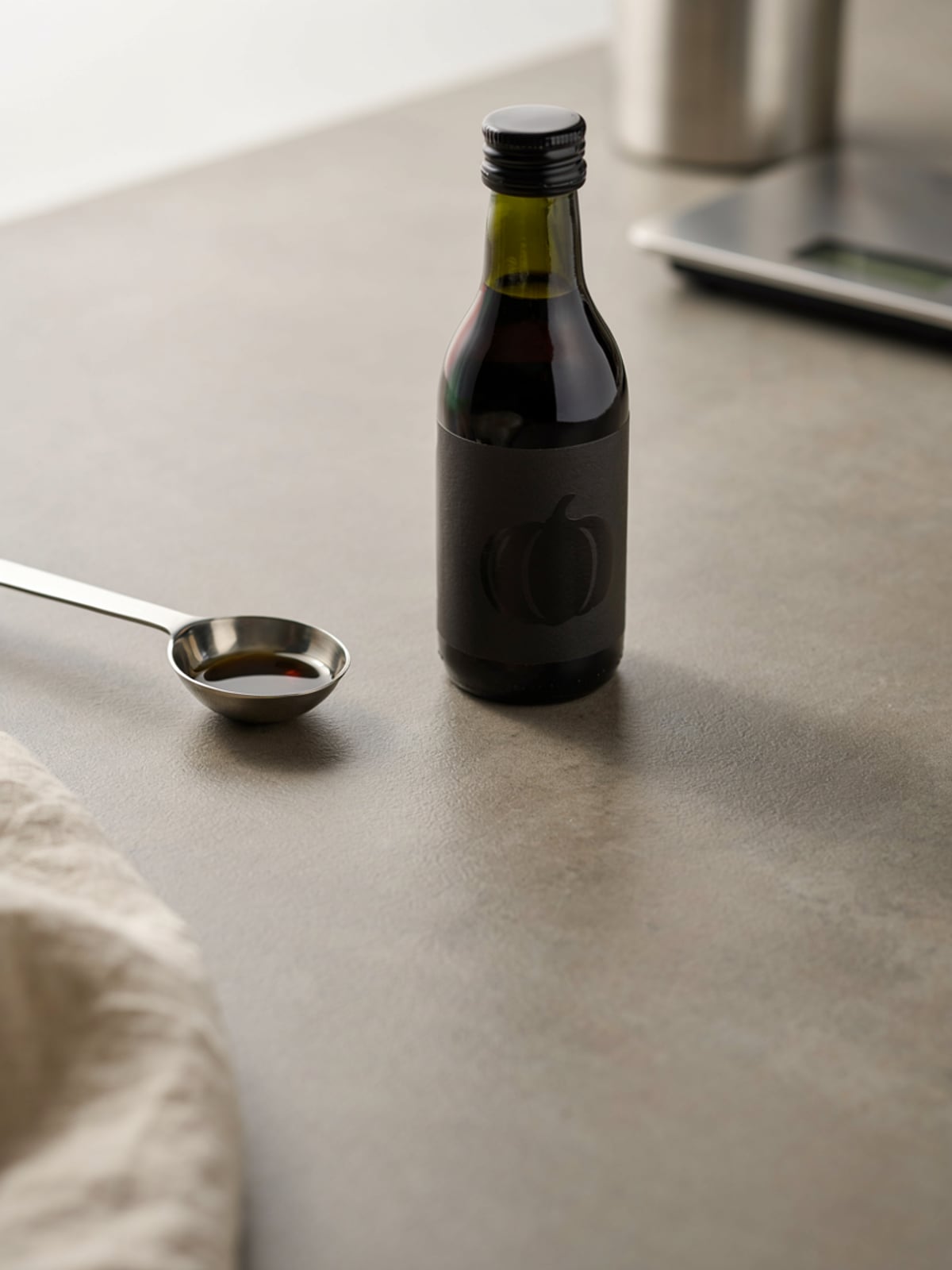
Pumpkin seed oil is pure fat, and pure fat always carries a substantial calorie count. That sounds, at first, like a warning. Look closer, though, and it quickly becomes clear: the amount makes the difference, not the oil itself. Before the number causes any worry, it is worth a calm look at what it actually means.
One Spoon, One Question
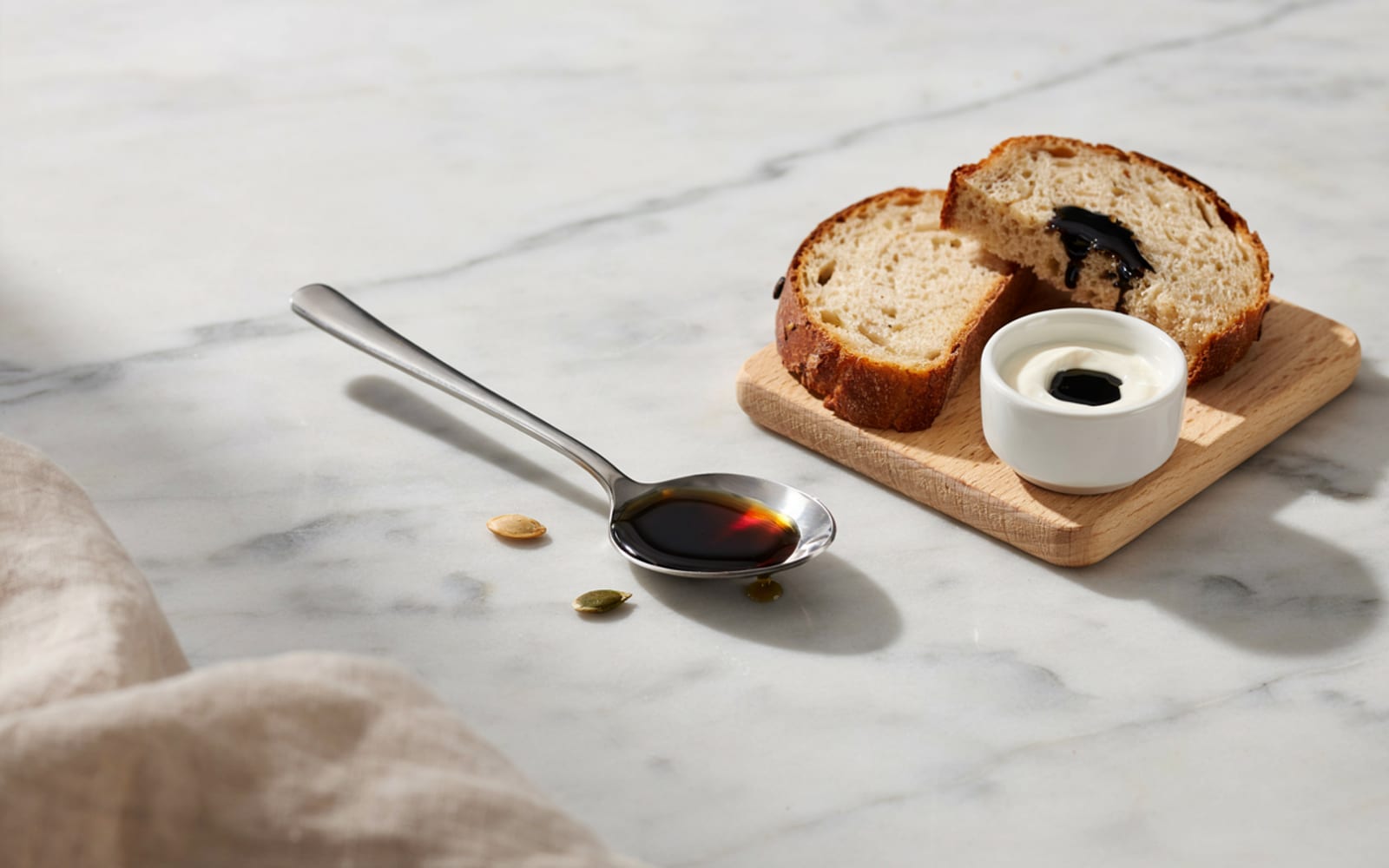
Anyone reading the nutrition label on a bottle for the first time often pauses: nearly 884 kilocalories per 100 millilitres. Converted to one tablespoon — the standard 15-millilitre kitchen measure — that comes to roughly 120 to 130 kilocalories. A high number at first glance. On second look, just the consequence of a simple fact: fat delivers nine kilocalories per gram, more than any other nutrient.
Where That Number Comes From
The 884 kilocalories follow directly from that energy density, multiplied by the oil's density of roughly 0.92 grams per millilitre. Small variations between individual bottles come down to marginal differences in fatty acid composition and slight residual moisture in cold-pressed oils. Anyone wanting a simple rule of thumb does just fine with about 120 kilocalories per tablespoon for any practical purpose.
Two Bottles, One Comparison
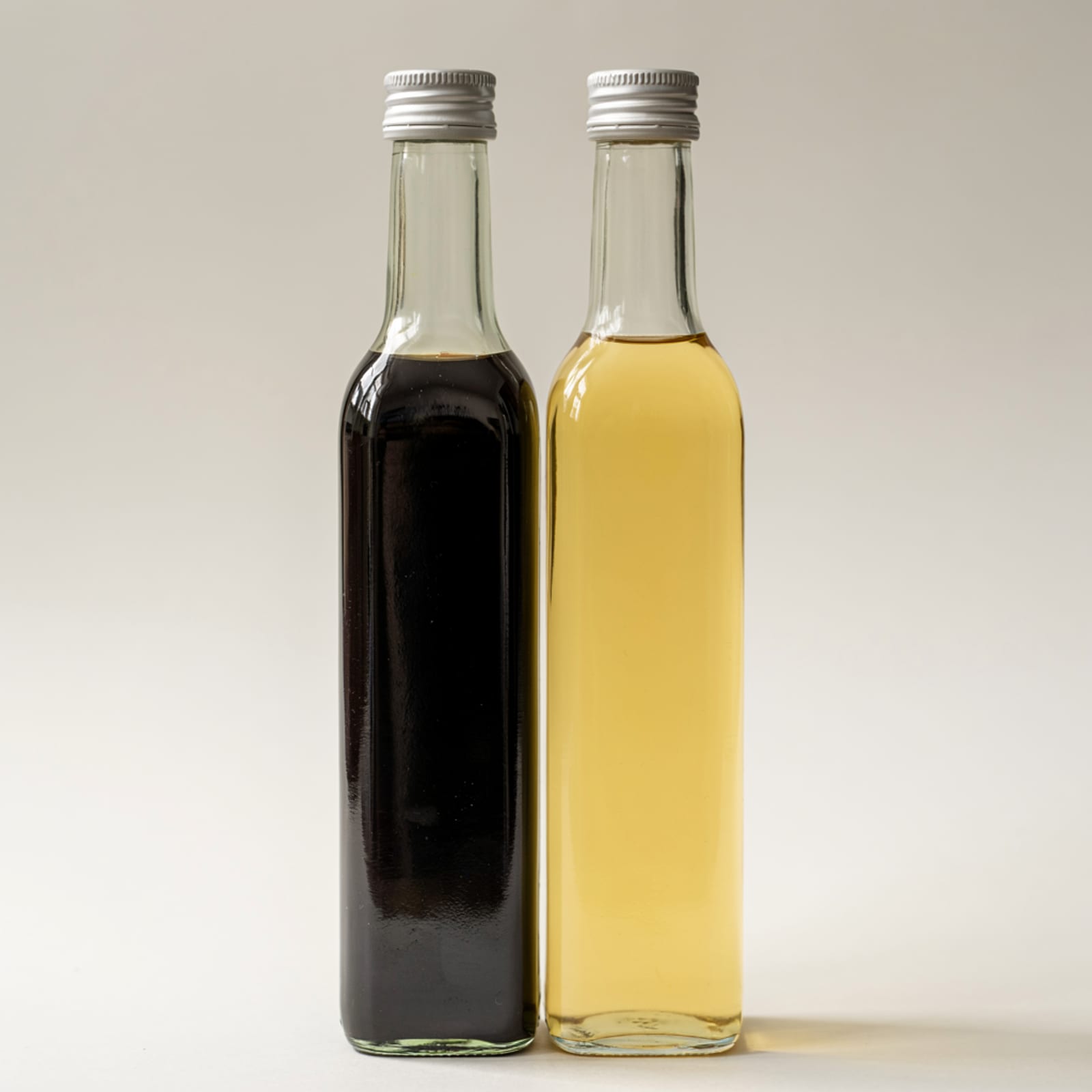
Stand a bottle of pumpkin seed oil next to olive oil, canola oil, or sunflower oil, and the picture is clear: per millilitre, they all sit in the same class. That is not coincidence but chemistry — nearly all refined and cold-pressed oils consist almost entirely of triglycerides, which is why their energy density stays close across the whole category. Only butter and cream come out lower per millilitre, because water and protein sit alongside the fat and add their own weight. What genuinely sets pumpkin seed oil apart from the other bottles on the shelf is not energy density but composition: the balance of fatty acids and the fat-soluble companions travelling alongside the calories. Fatty acids looks at this difference in more depth.
The Plate That's Enough
The calorie number only becomes truly tangible once you look at the amount actually used. A classic Styrian dressing calls for one to two tablespoons per person — roughly 120 to 260 kilocalories from the oil alone, before the other ingredients. That is a figure worth knowing for anyone counting carefully. It is also a modest drizzle that brings colour, body, and an intense flavour that a neutral oil in a larger amount would struggle to match. Anyone who has tried genuine roasted oil tends to use less without even trying — the flavour itself nudges toward restraint, no conscious portion control required.
More Than a Number
Energy density is one way to look at this, but not the only one that matters. Pumpkin seed oil is rich in unsaturated fatty acids, including linoleic and oleic acid, and brings along the fat-soluble vitamin E, phytosterols, and carotenoid pigments — companions a comparable volume of refined industrial oil does not offer. What exactly travels in that company is explained in nutrition facts. That does not change the calorie count, but it gives it context: the real question is not whether an oil has calories — every oil does — but whether those calories bring anything with them.
The Thread That's Enough
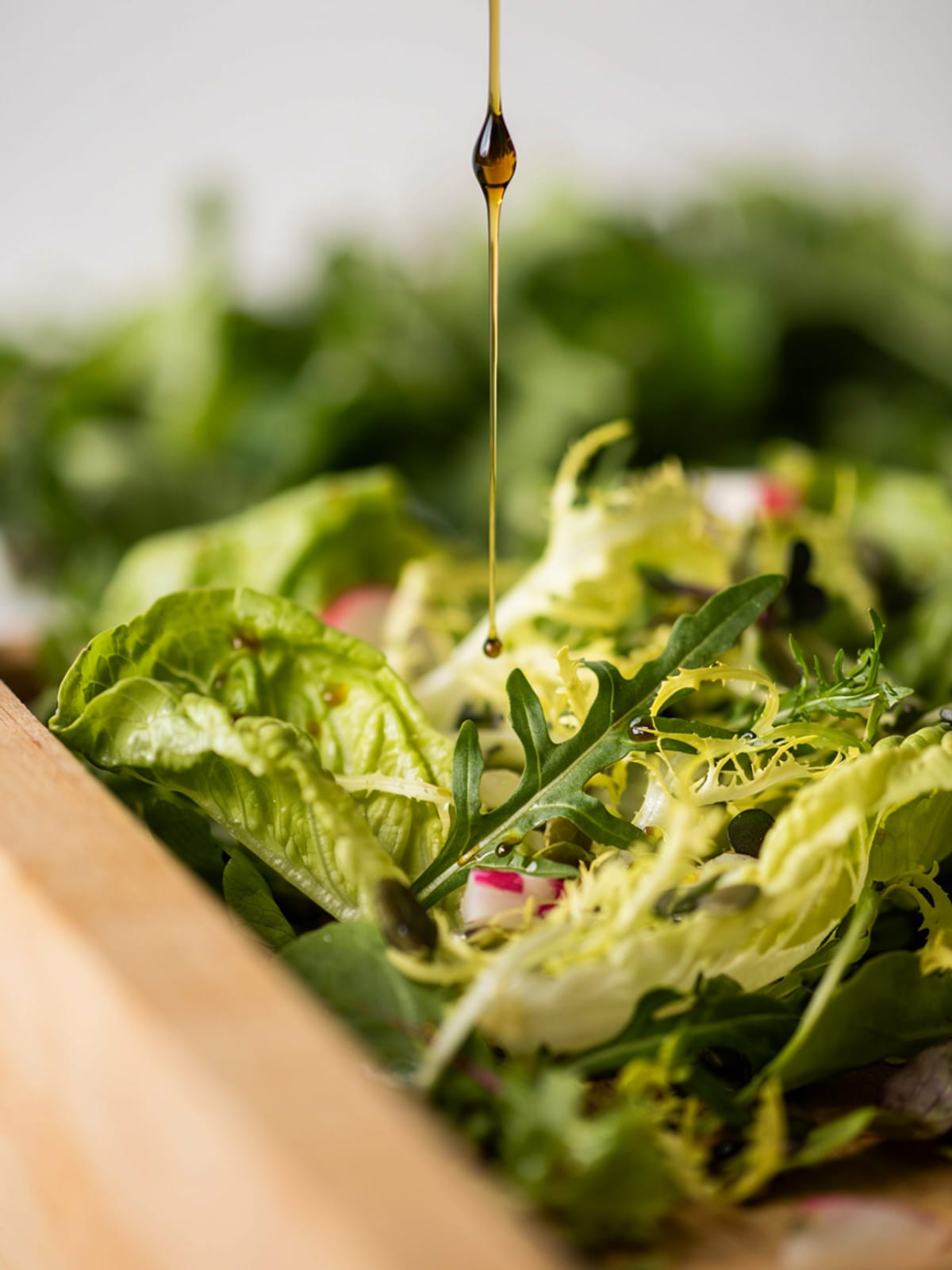
In the end, the whole story shows up in a single motion: the bottle tips, a thin thread falls onto the salad, and a single tablespoon already covers roughly six percent of a standard 2,000-kilocalorie daily need. Used the way it has traditionally been used in the Styrian kitchen — as a finishing seasoning, not a cooking fat poured in large amounts — it fits effortlessly into a balanced diet. More only lands on the plate if it is poured generously, the way an ordinary neutral oil might be. The pronounced character of a genuine roasted, cold-pressed Styrian oil usually prevents exactly that on its own.
What Matters in the End
A tablespoon of pumpkin seed oil, then, brings neither a surprisingly high nor a particularly low calorie count — just an honest one. Within a balanced kitchen, this golden thread fits in without dominating the calorie picture, while carrying along something pure fat alone would not. Anyone wanting to know more about what the oil contains beyond its energy value can find the overview under composition.
Nutrition notice: Nutrient figures are indicative and depend on product and portion. They are not health claims under EU Regulation 1924/2006.
Taste PGI Styrian pumpkin seed oil today
Shop now