The Styrian
Pumpkin Seed Oil Journal
The Styrian
Pumpkin Seed Oil Journal
- The Styrian Pumpkin Seed Oil Journal
Shop EN
pumpkinseedoil.ccShop DE
kuerbiskernoel.cc
About
This website also contains some content created with the support of AI.
Is Pumpkin Seed Oil Healthy? Evidence Overview
Health notice: This page discusses topics related to health research and tradition. It is not medical advice. Do not use it to diagnose, treat, cure, or prevent any disease. Talk to a qualified healthcare professional before changing your diet or supplements.

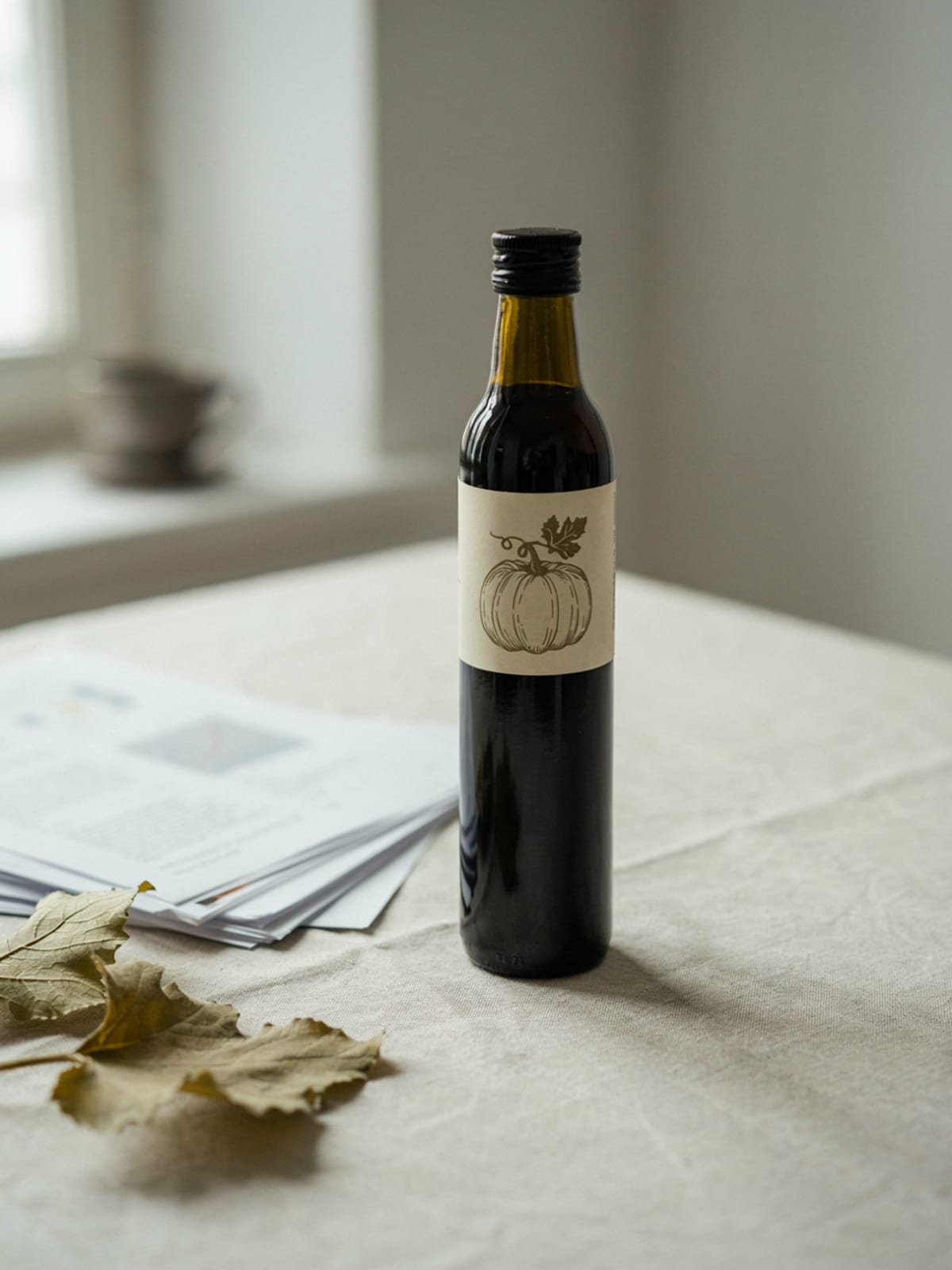
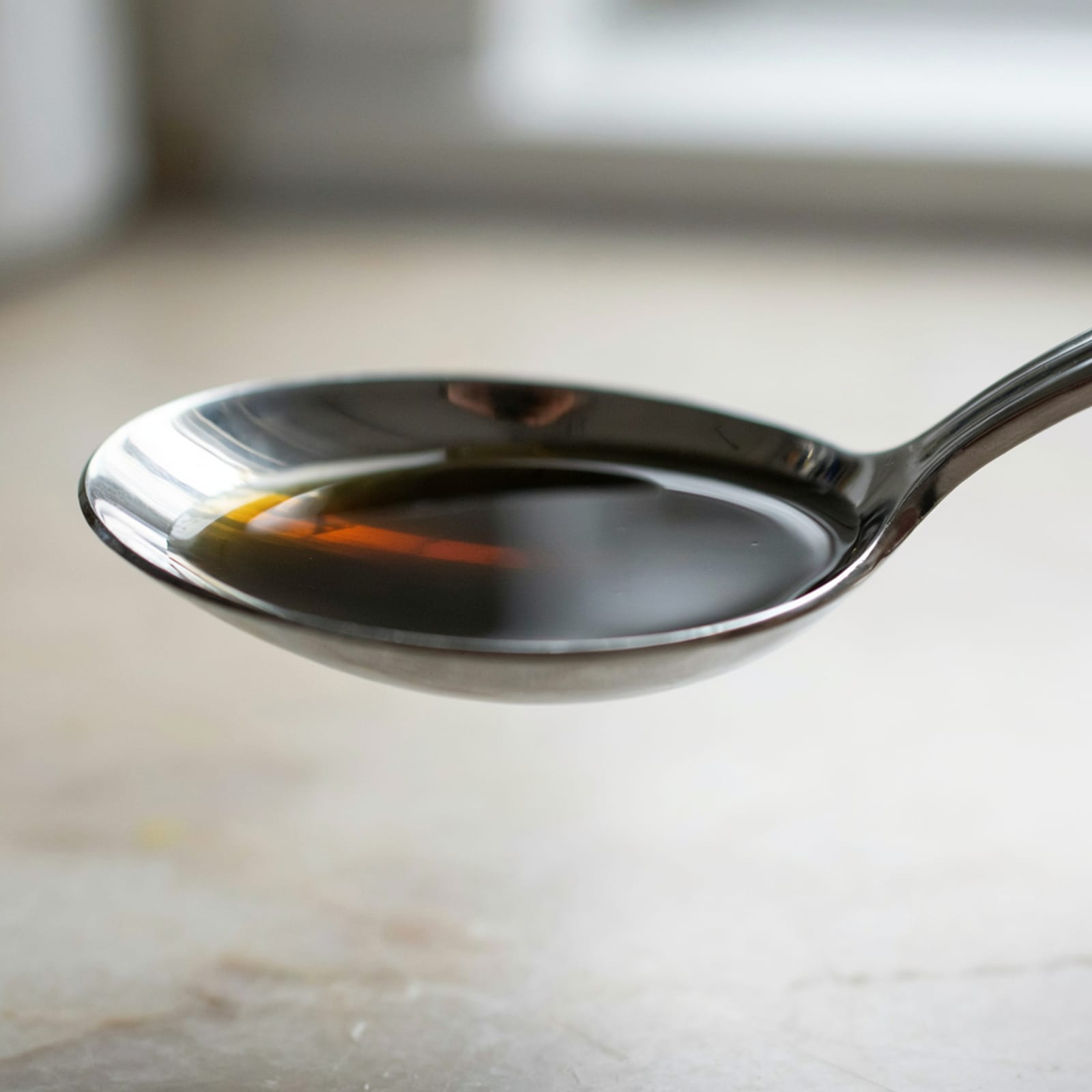
On the shelf, the bottle sits between the vinegar and the mustard, unremarkable, almost black under the kitchen light. Lift it and tilt it toward the window, though, and for a moment it flashes a deep ruby red — the same moment that usually triggers the same question: is this stuff actually healthy, or just a good oil with an excellent reputation? Enthusiasts talk about it as though every drop were a small miracle. Sceptics wave it off as though nothing were behind it at all. Neither view holds up well. The honest answer takes some patience, and it means looking at each claim on its own rather than reaching for one verdict that covers everything.
What Is Actually in the Bottle
Before getting to effects, it helps to look at what the oil actually contains. Pumpkin seed oil is a nutrient-dense edible oil with an unusual profile: polyunsaturated fatty acids, a meaningful share of gamma-tocopherol (a form of vitamin E), the comparatively rare delta-7 phytosterols, and the carotenoid and chlorophyll pigments responsible for its dark colour. In culinary amounts — a drizzle over salad, a spoonful in soup — this is a sensible addition to a varied diet. Looked at as a concentrated active ingredient, the research base gets noticeably thinner.
Best Supported: Lower Urinary Tract Symptoms
Spend any real time on this topic and you land on the same chapter first: urinary symptoms and benign prostate enlargement. Studies in men with mild to moderate symptoms reported improvements on the International Prostate Symptom Score, and in some cases in urinary flow. Methodologically, these trials rank among the more solid work in the pumpkin seed literature — even though sample sizes stay small, follow-up periods are limited, and the placebo effect in urinary symptom trials can be considerable. This evidence explains why the traditional use developed and why researchers took notice in the first place; on its own, it does not add up to a proven treatment. The wellness article on the prostate goes through this in detail.
Moderate Evidence: Phytosterols and Cholesterol
A step down the confidence scale sits a chapter that works with numbers rather than symptoms. The link between dietary plant sterols and LDL cholesterol is solidly documented — the EU has approved a health claim for daily intakes of 1.5 to 2.4 grams. Pumpkin seed oil contains phytosterols, including the comparatively rare delta-7 sterols, and contributes to total intake. In ordinary culinary use, though, the amounts sit well below the threshold where studies show a measurable effect on cholesterol. The connection is real; it just depends heavily on quantity, and a tablespoon over lunch does not reach it.
Preliminary or Weak: Most of the Remaining Claims
Beyond that, the air gets thinner. Weight, blood pressure, diabetes, inflammation, skin health from ingestion, hair loss, liver and kidney function — plenty of claims about pumpkin seed oil circulate online for all of these. For most, the evidence comes from animal studies, lab work, observational data, or very small human trials with methodological weaknesses. That does not make these connections impossible or uninteresting — it means the evidence is not yet solid enough for firm conclusions. Where an animal study shows something interesting, this journal calls it exactly that, and says plainly when human data are missing.
A Sober Look at Tradition

Much of the health conversation around pumpkin seed oil rests on inherited use rather than clinical research. Ask around in families that have used it for generations, and you often hear a version of "we've just always taken this." That knowledge is not worthless — it gathers observations across generations and often points researchers toward questions worth a closer look. It is not, however, equivalent to clinical trial evidence, and the two should not be blended together. Where this journal describes a traditional use, it says "traditionally used for," never "studies prove" or "has been shown."
Three Questions Before You Believe a Claim
When a claim about pumpkin seed oil's health effects crosses your path, three questions are worth asking before you believe it. First: does the evidence come from a human clinical trial, an animal study, a lab experiment, or plain tradition? Each level tells you something different. Second: what dose did the underlying study use — a culinary amount of oil, or a concentrated extract? Many studies work with preparations at doses far beyond anything you would get from cooking oil. Third: who is making the claim, and do they have a financial stake in the answer? These questions apply to this journal too. In the end, the bottle on the shelf stays exactly what it is: a good, honest cooking oil with a nutrient profile worth the spoonful — no miracles required.
Buy protected-origin Styrian seed oil
Shop now