The Styrian
Pumpkin Seed Oil Journal
The Styrian
Pumpkin Seed Oil Journal
- The Styrian Pumpkin Seed Oil Journal
Shop EN
pumpkinseedoil.ccShop DE
kuerbiskernoel.cc
About
This website also contains some content created with the support of AI.
Pumpkin Seeds and Parasites: Tradition vs Evidence
Health notice: This page discusses topics related to health research and tradition. It is not medical advice. Do not use it to diagnose, treat, cure, or prevent any disease. Talk to a qualified healthcare professional before changing your diet or supplements.
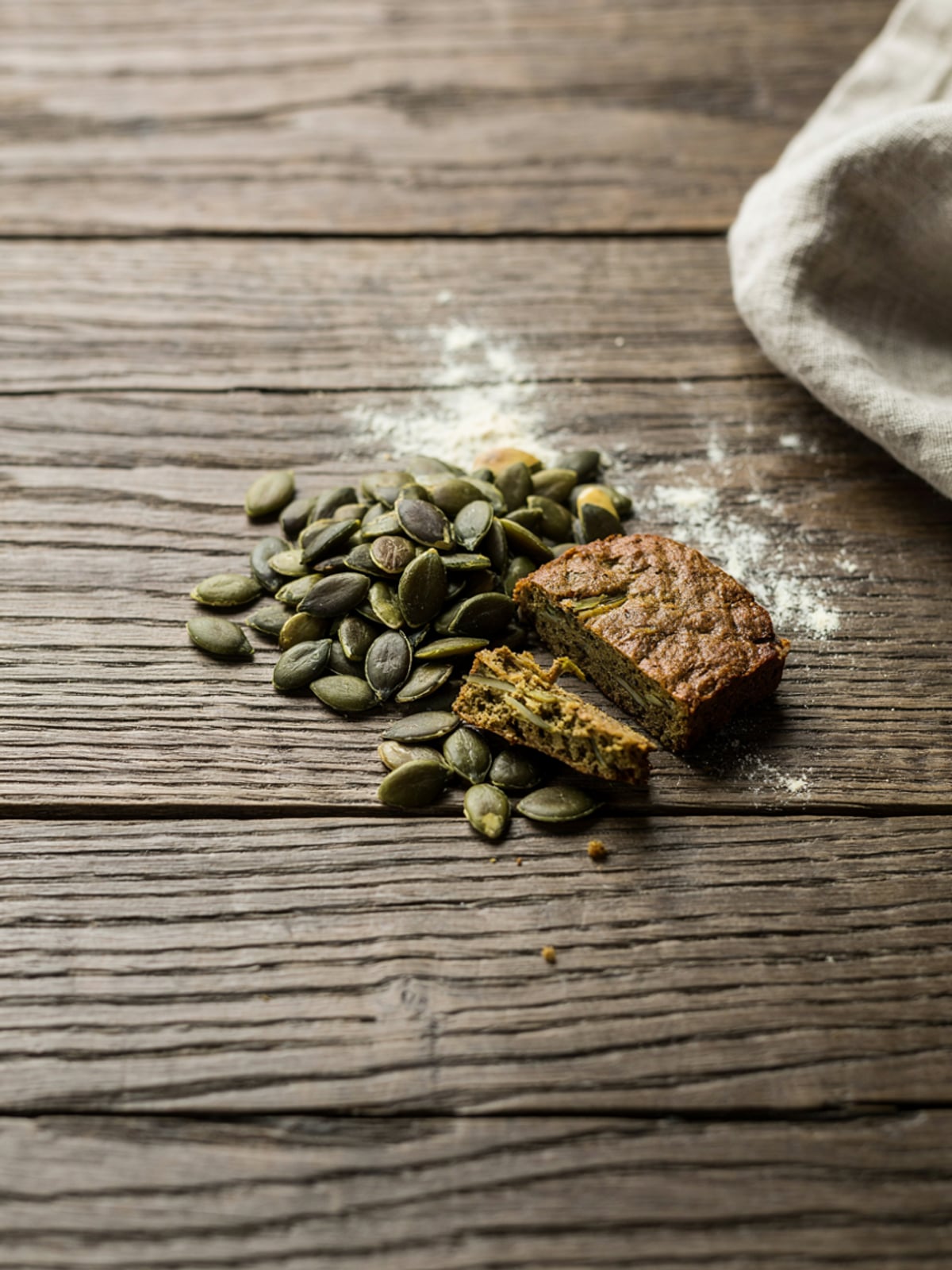
Pumpkin seeds have one of the oldest continuous reputations in folk medicine as a natural dewormer, referenced in traditional practices across multiple continents long before modern antiparasitic drugs existed. That history is real and worth understanding — but it is a history built around raw or ground seeds eaten in specific, often large quantities, not around the roasted culinary oil sold for cooking, and the gap between "traditional practice" and "proven treatment" is wider here than almost anywhere else this oil gets discussed.
A Reputation Older Than Antiparasitic Drugs
Long before modern antiparasitic medicine existed, pumpkin and squash seeds turn up in folk practice across very different regions and eras — parts of Europe, Asia, Africa, and the Americas each developed some version of the same idea, largely independently, which is part of why the reputation feels so persistent today. Separate traditions arriving at a similar practice is culturally interesting, but it is not, by itself, evidence of efficacy; parallel folk remedies have also existed for treatments later shown to do nothing at all.
The Compound Behind the Tradition
The traditional reputation centres on cucurbitacins, bitter compounds found in pumpkin and squash seeds, along with the amino acid cucurbitin, which some laboratory and animal research has investigated for effects on parasitic worms. A handful of in vitro and animal studies have reported activity against certain intestinal parasites when seed extracts were used in concentrated, controlled doses — interesting groundwork for researchers, but a long way from evidence that eating pumpkin seeds, let alone using pumpkin seed oil, treats a parasitic infection in a person or pet.
What Modern Evidence Actually Shows
Robust human clinical trials testing pumpkin seed or its extracts as a deworming treatment are scarce, and the trials that exist tend to be small, older, or conducted in specific regional contexts that are hard to generalise from. Modern antiparasitic medicine relies on drugs with well-established dosing, efficacy data, and safety profiles precisely because parasitic infections can be serious, and undertreating one while experimenting with a folk remedy carries real risk — including letting an infection persist or worsen while feeling reassured that "something natural" is being done about it. Where cucurbitacin research does continue today, it tends to sit in veterinary and agricultural science rather than in human medicine, and even there it remains exploratory rather than an established treatment protocol.
Why the Oil Specifically Is Not the Traditional Remedy
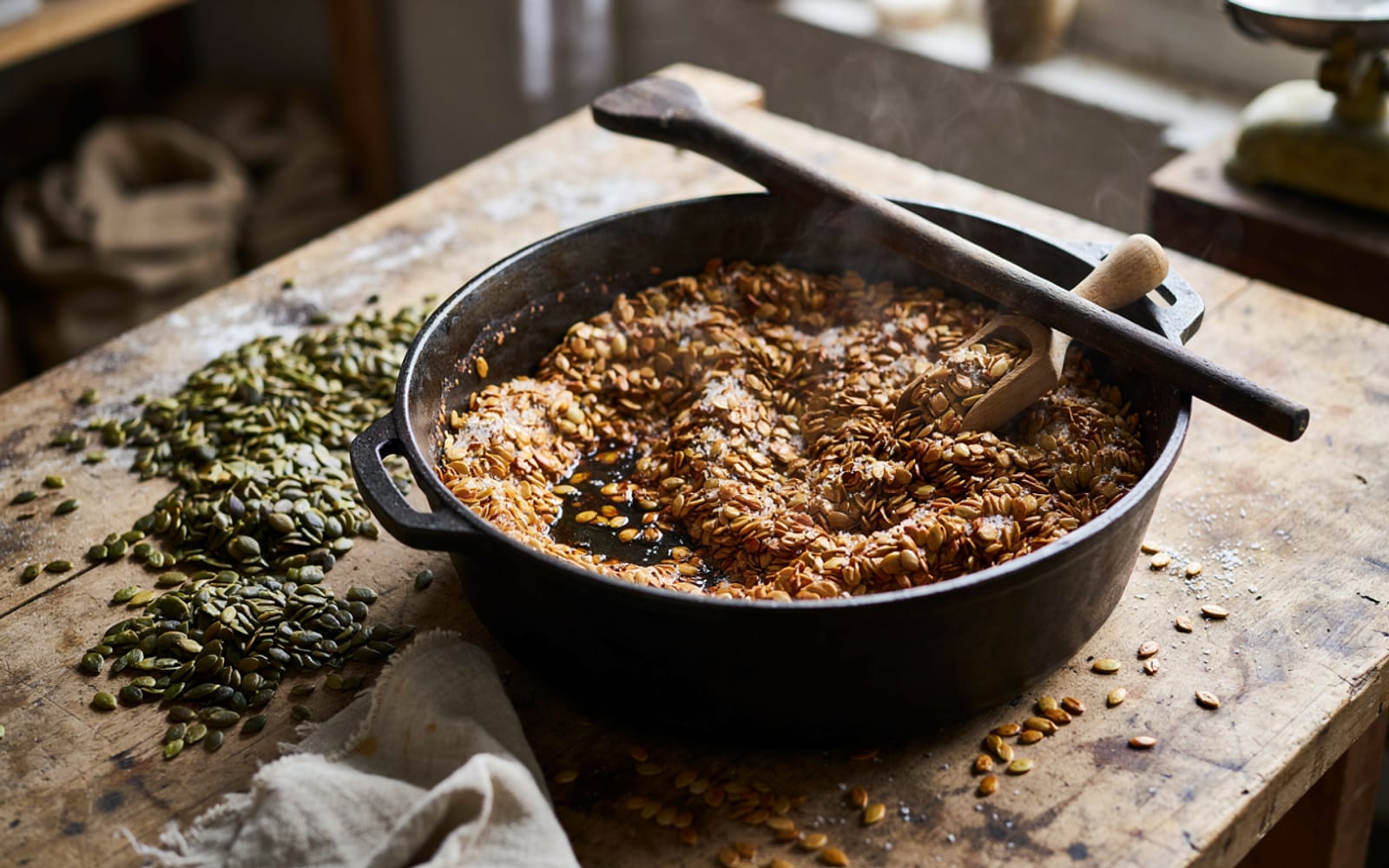
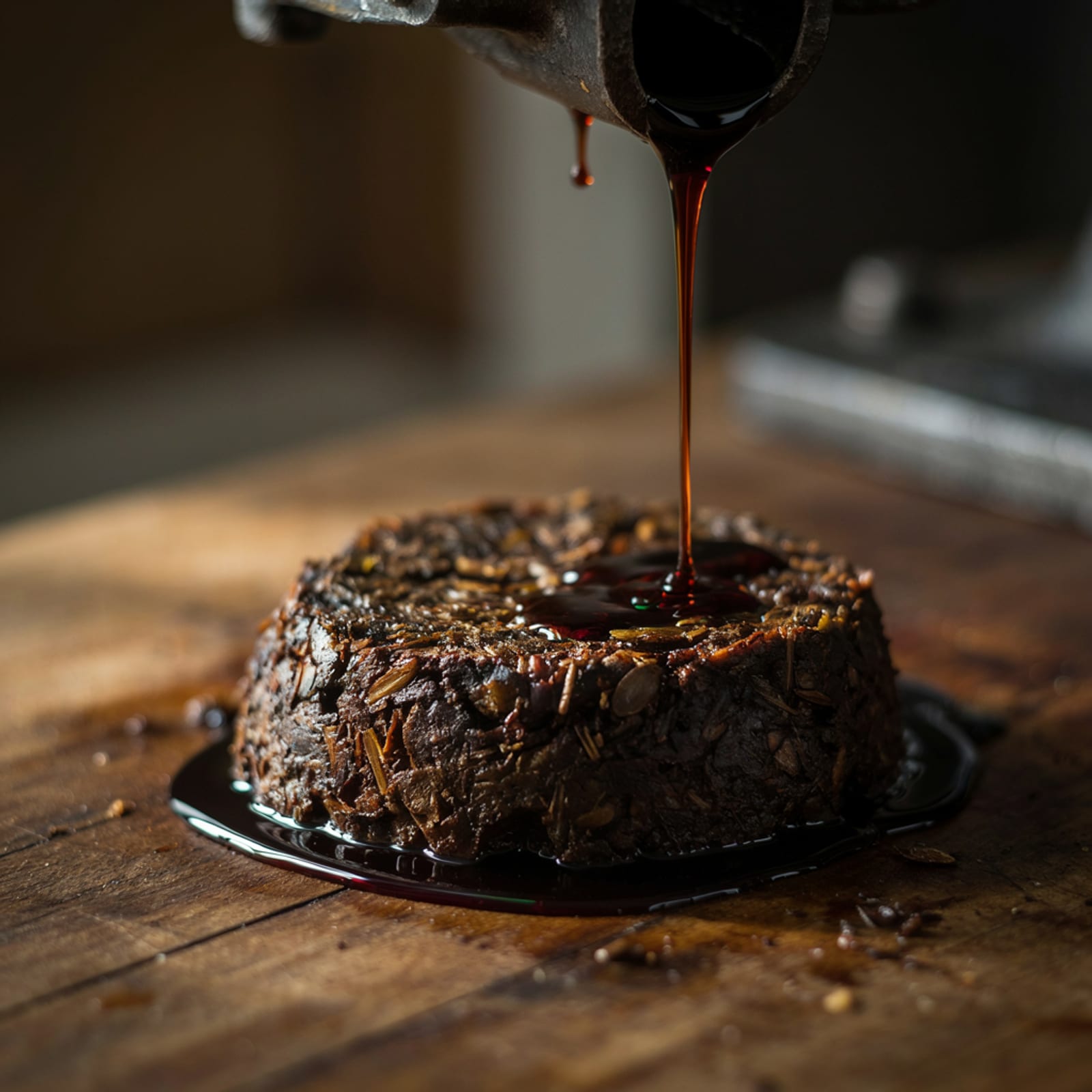
Even setting evidence quality aside, the culinary oil most people have in their kitchen is not the preparation that folk tradition or laboratory research actually used. Cold-pressing and roasting concentrate the oil's fat-soluble compounds and fragrance while leaving behind much of the seed's fibre, protein, and water-soluble content — the traditional preparations were typically whole or ground raw seeds, sometimes as a paste or taken with water, not a finishing oil for salads. There is no credible basis for treating a bottle of pumpkin seed oil as a deworming product, and this journal makes no such claim.
What About Pets and Livestock?

The idea of feeding pumpkin seeds to a dog, cat, or farm animal as a natural dewormer is common enough that some owners try it before, or instead of, a vet-prescribed treatment. This carries the same evidence gap described above, plus an added risk: an animal left undertreated while an owner waits to see if seeds help can develop a worse infection, and some worm species pose their own transmission risks to the rest of the household. A vet's stool test and a correctly dosed, effective treatment remain the reliable path for a pet or livestock animal, in exactly the same way a doctor's evaluation is for a person.
If You Suspect a Parasitic Infection
Symptoms such as unexplained weight loss, visible worms or segments, persistent digestive upset, or itching around the anus deserve a proper medical evaluation and a diagnosis-appropriate treatment, not a kitchen-cupboard experiment. For related digestive topics where pumpkin seed oil's actual, better-supported role is discussed, see digestion and, for pregnancy-specific caution around any home remedy, pumpkin seed oil during pregnancy. The broader evidence overview places this topic among the weaker-evidence claims discussed on this journal.
Taste authentic oil from Styrian mills
Shop now