The Styrian
Pumpkin Seed Oil Journal
The Styrian
Pumpkin Seed Oil Journal
- The Styrian Pumpkin Seed Oil Journal
Shop EN
pumpkinseedoil.ccShop DE
kuerbiskernoel.cc
About
This website also contains some content created with the support of AI.
Pumpkin Seed Oil for Men
Health notice: This page discusses topics related to health research and tradition. It is not medical advice. Do not use it to diagnose, treat, cure, or prevent any disease. Talk to a qualified healthcare professional before changing your diet or supplements.
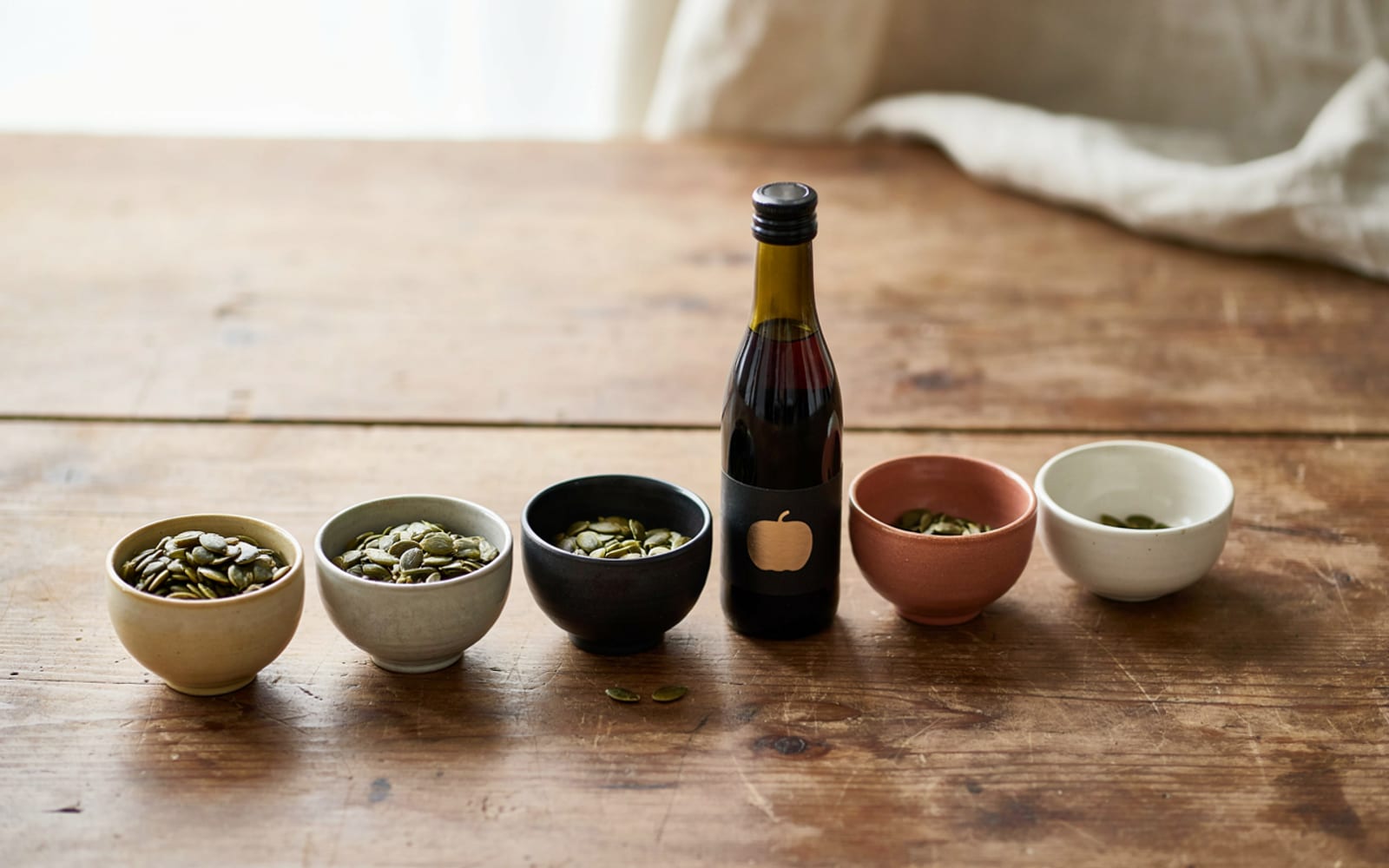
Under the heading of men's health, very different topics quickly get lumped together in conversation: prostate, urinary tract, hormones, potency. Not all of them are equally well studied. Pumpkin seed oil is a characterful food made from roasted pumpkin seeds, not a medicine. Look closely, and some questions turn out to have far more research behind them than others.
One Umbrella Term for Many Different Questions
There is considerably more research on prostate and urinary complaints than on hormone or potency claims. That is an important distinction, because headlines and product copy often compress research further than the data allow. A single food can be part of everyday life, but it does not answer an individual diagnostic question.
The Most Tangible Area: Standardised Extracts
Studies on standardised pumpkin seed extracts for benign prostate enlargement are the most tangible area in this field. Even there, the results are no substitute for diagnosis and monitoring by a medical practice — they are one building block alongside medical care, not a replacement for it.
Oil, Seeds, and Extracts Compared
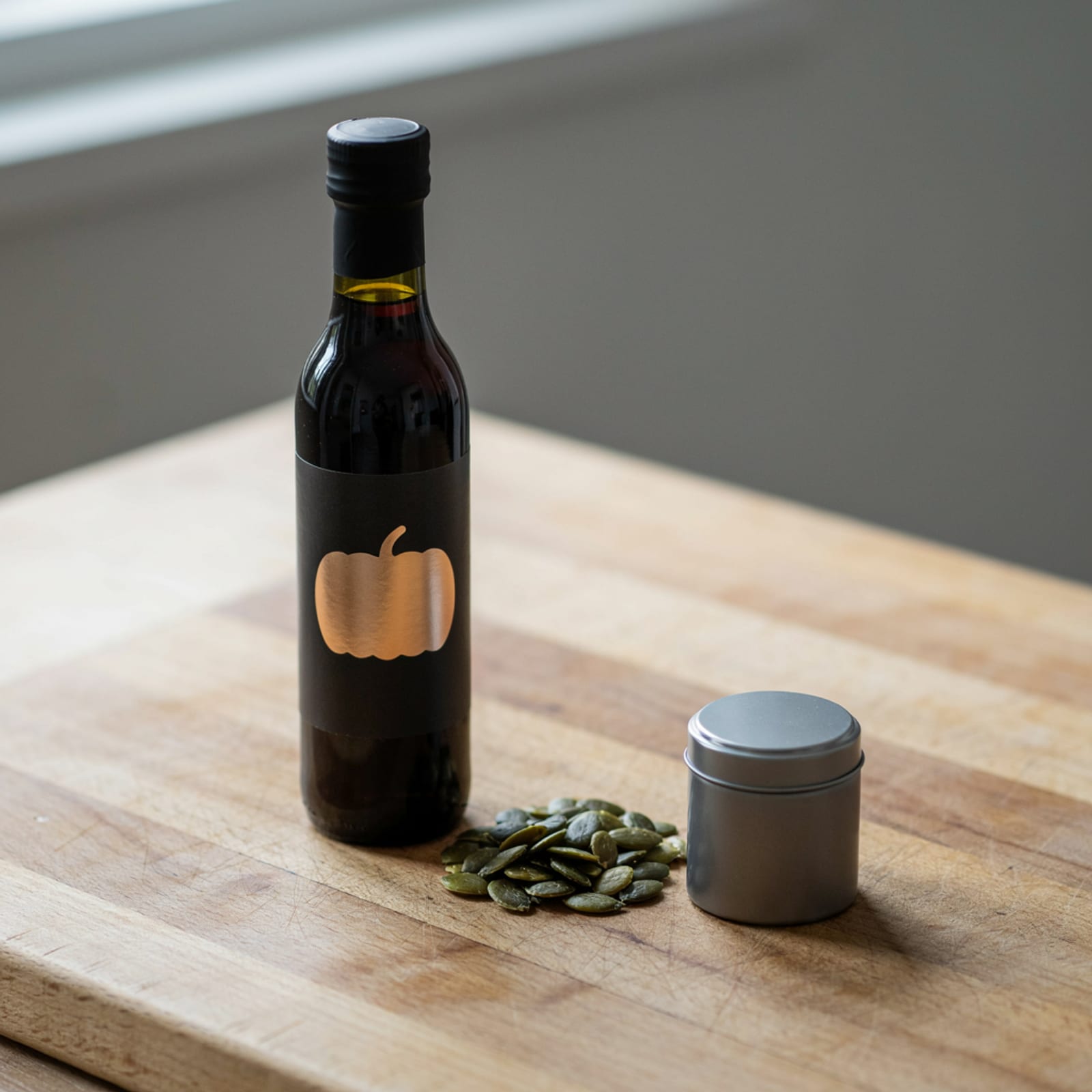
When studies examine pumpkin products, the forms used are decisive. Whole seeds bring fibre, protein, and minerals along with them. Extracts are concentrated and used in fixed amounts. The cooking oil on your plate, by contrast, consists mainly of fat and its fat-soluble companions. Results on seeds or capsules therefore do not automatically transfer to a small amount of oil. More on origin and composition sits at the pumpkin seed oil composition overview.
Where the Promises Get Thinner
Claims about testosterone, fertility, or sexual performance rest on considerably weaker evidence. Zinc in whole seeds is not proof that a cooking oil raises hormone levels. People who know the subject well often put it this way: "the seeds have more to offer than the oil alone." Use the oil mainly for its nutty, roasted flavour — small amounts suffice on potatoes, salad, vegetables, or a mild soup. Notes on use and storage sit in the kitchen section.
Why an Extract Is Not an Oil
A plausible explanation or a positive lab result is not yet a promise of healing. Good medical recommendations need several matching human studies, traceable amounts, and a benefit that actually counts in everyday life. Until then, the fair reading stands: pumpkin seed oil can add flavour to a balanced diet, but it cannot replace therapy.
When New Symptoms Appear
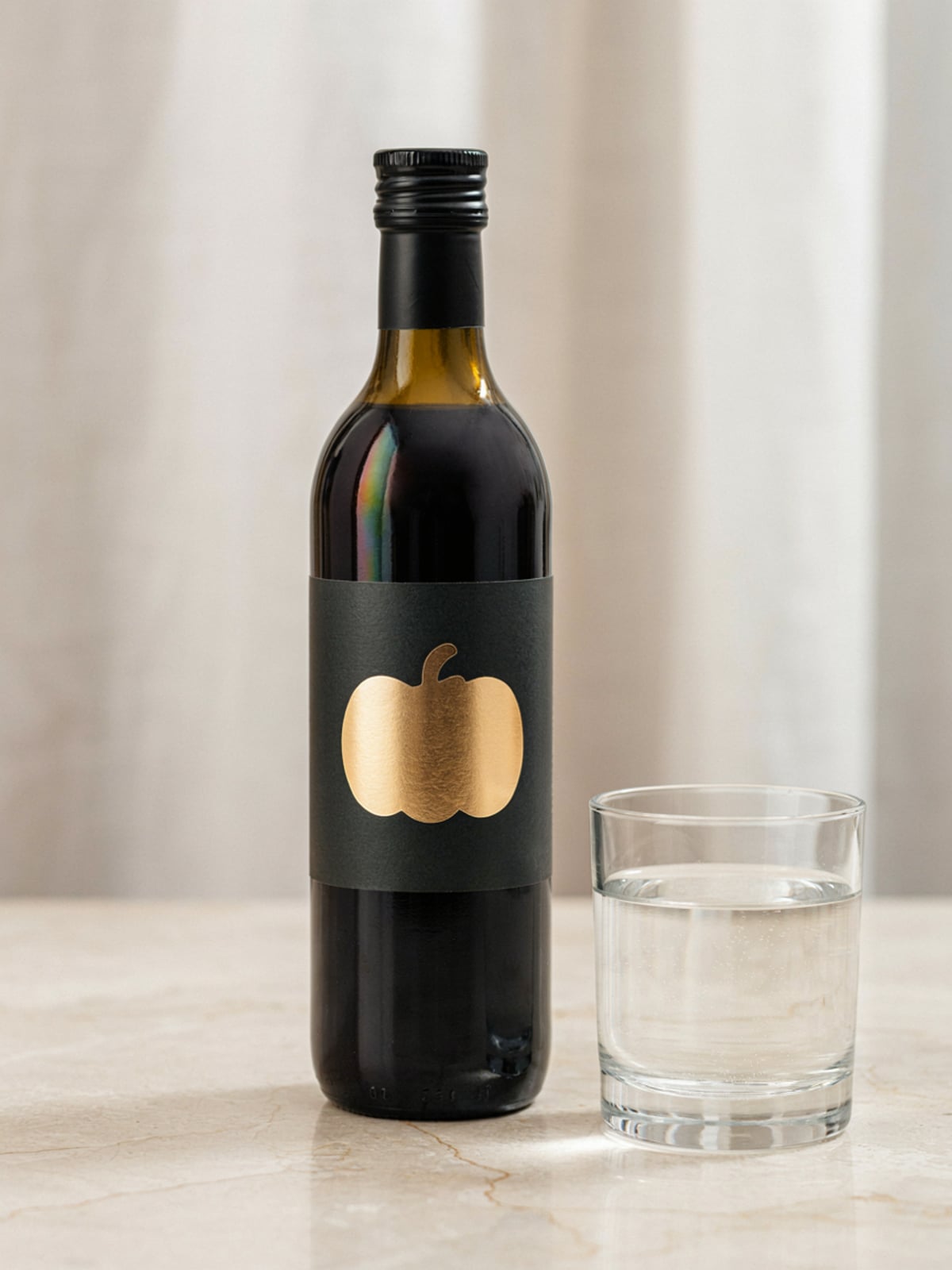
New urinary symptoms, sexual difficulties, or persistent fatigue belong in a medical assessment — finding the right cause matters more than a general product promise. What ends up in the bottle has nothing to do with any of that: after pressing, the oil runs warm into a tank, rests there until suspended particles settle, and only then gets filled into dark glass bottles.
The Bigger Picture
Anyone interested in the wider health picture finds further topics with the same cautious perspective at the health overview. The handful of seeds and the drop of oil remain two different stories. Both have their place — just not the same claim to make.
Taste regional Styrian pumpkin seed oil
Shop now