The Styrian
Pumpkin Seed Oil Journal
The Styrian
Pumpkin Seed Oil Journal
- The Styrian Pumpkin Seed Oil Journal
Shop EN
pumpkinseedoil.ccShop DE
kuerbiskernoel.cc
About
This website also contains some content created with the support of AI.
Pumpkin Seed Oil in Menopause
Health notice: This page discusses topics related to health research and tradition. It is not medical advice. Do not use it to diagnose, treat, cure, or prevent any disease. Talk to a qualified healthcare professional before changing your diet or supplements.
Lying awake at night, suddenly overheated during the day, and at some point the search online begins: pumpkin seed oil comes up surprisingly often on this topic. Unlike some wellness promises, there is genuinely a little more behind this one than mere rumour — and still less than some advertising copy suggests. This journal's honest reading: interesting early signals, mostly from concentrated preparations rather than salad oil — and never a substitute for medical care.
What Small Studies Have Actually Examined
Some investigations have looked at pumpkin seed oil or related preparations in women after menopause, partly with an eye on blood pressure, lipid profile, or self-reported menopausal symptoms. Some results looked modestly positive. The groups are often small, the observation periods short, the methods varied — which is why cautious interest is warranted, not a treatment promise. More on the markers most often measured sits at blood pressure and cholesterol.
Phytoestrogens: Keeping Expectations Grounded
Online, pumpkin seeds are sometimes called a veritable "phytoestrogen powerhouse." Plant sterols and seed compounds are real chemistry; menopause is a complex hormonal transition. No serious reading of the literature claims that cooking oil replaces hormone therapy, treats osteoporosis, or "balances hormones" on its own. With strong or sudden symptoms, a gynaecology practice belongs in the picture — other causes can feel like menopausal symptoms and need a clear diagnosis.
A Bottle in the Kitchen Cupboard, Not a Study Capsule
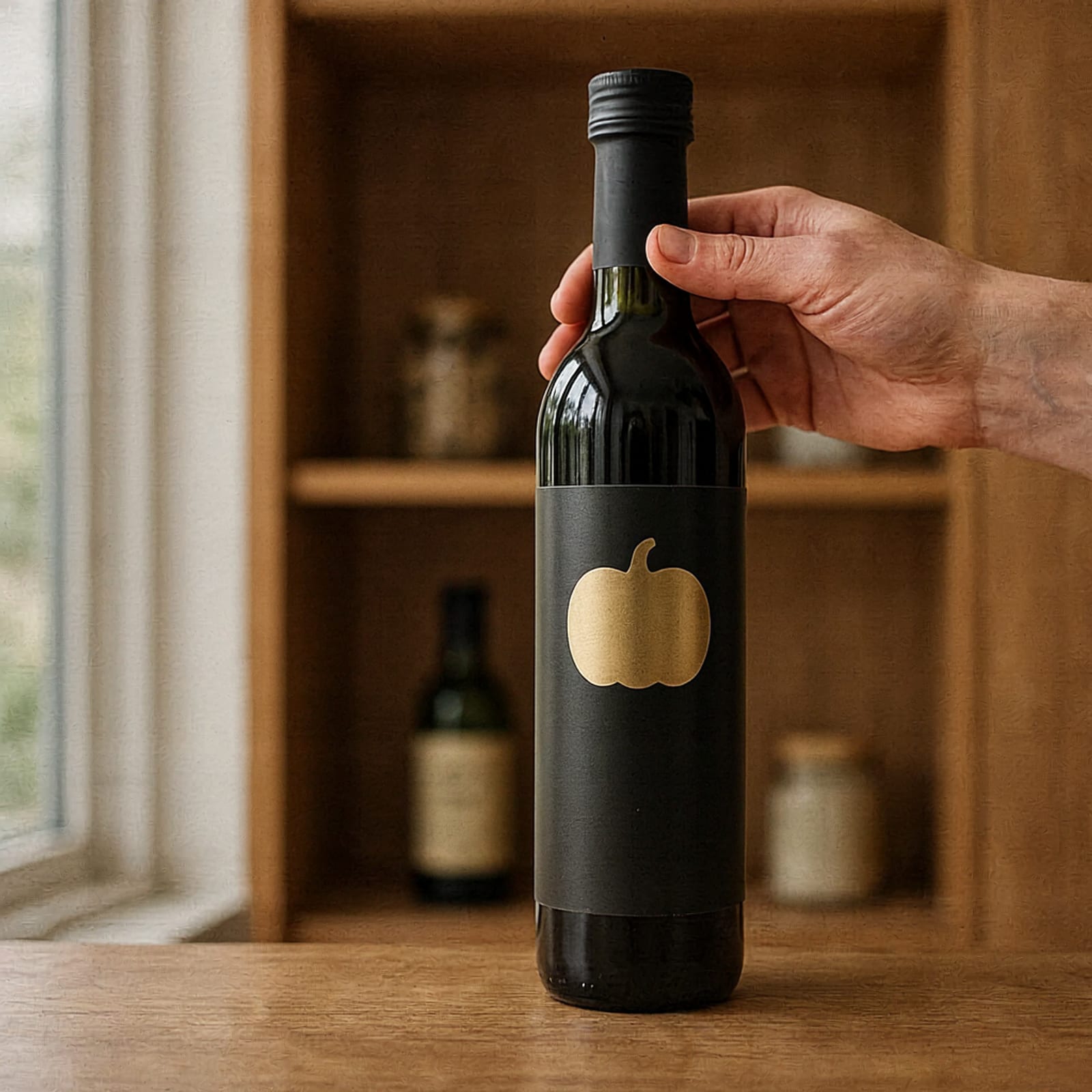
Most menopause-related investigations work with dosed supplement amounts of oil or extract — not an undetermined splash from the kitchen bottle. Styrian cooking oil remains, first and foremost, a food: intense aroma, valuable fats, a fixed place on vegetables and cold plates. It does not automatically deliver the same milligram regimen as a study. This distinction between food and extract runs through the effects overview and the page on capsules.
Where This Reading Ends
A modest study result is not yet a promise of healing. Reliable medical recommendations need several matching human studies, traceable amounts, and a benefit that actually counts in everyday life. Until then, the fair reading stands: a good oil can accompany a mindful diet during this stage of life, but it cannot replace therapy.
A Reasonable Next Step
Discuss burdensome symptoms with a doctor who knows your history. Treat any supplement idea as its own medical conversation, not a kitchen experiment "against menopause." The broader overview sits at pumpkin seed oil for women; the health overview and the disclaimer draw the same line for every health topic in this journal.
A Reliable Finishing Oil for Midlife
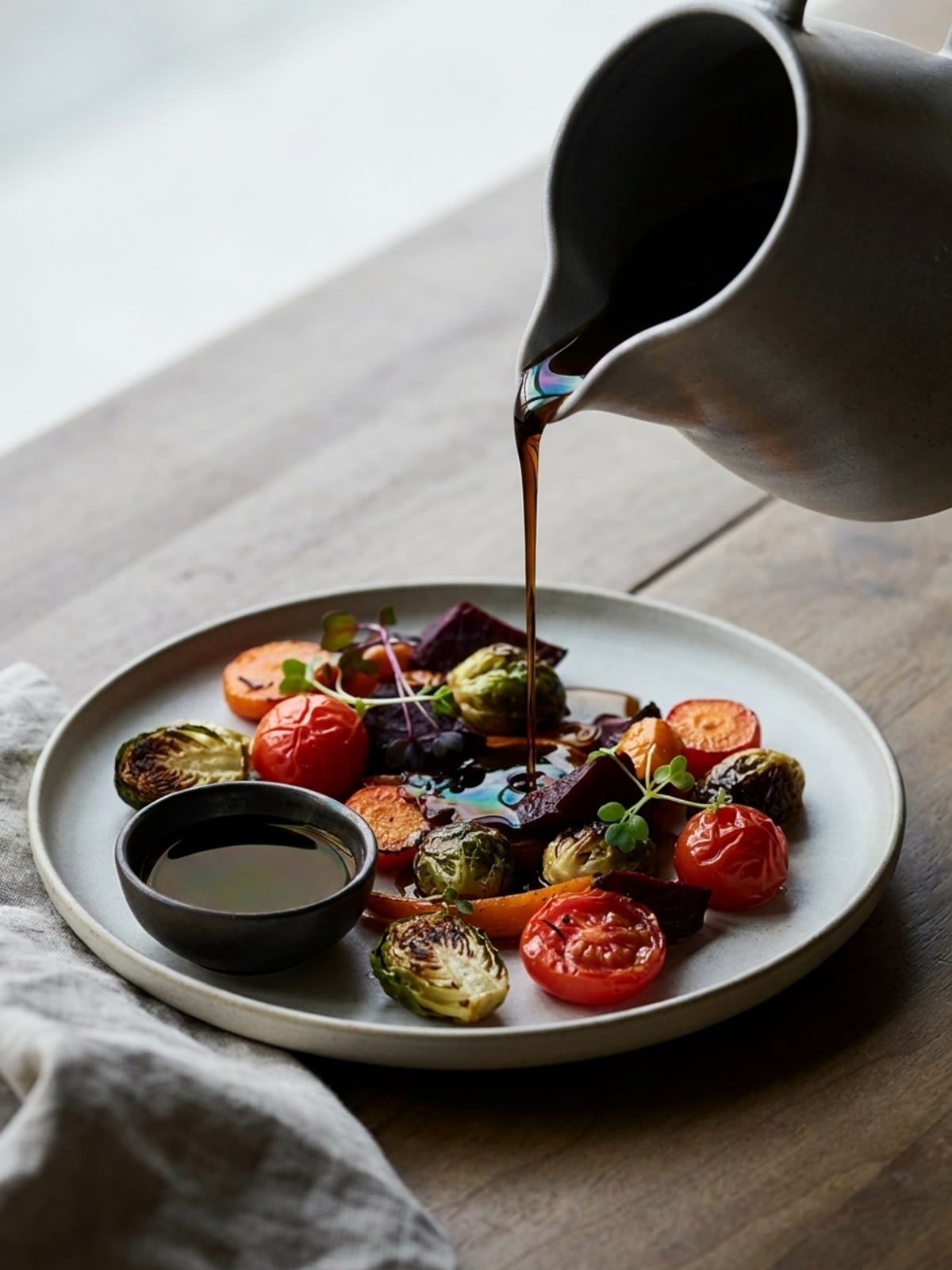
Quite apart from symptom studies, many women in this stage of life simply want a reliable finishing oil: nutty, dark, used cold or with a gentle touch of warmth. That culinary role is solid and needs no promise attached. If you already cook with genuine Styrian oil, stay with it for its flavour and food quality. Ideas sit in the kitchen section, quality and roasting at quality. Skin and hair questions, which often come up alongside menopause topics, get an honest treatment on the pages for skin and hair — cosmetically clear, with no promise of healing.
Get authentic Austrian pumpkin seed oil
Shop now