The Styrian
Pumpkin Seed Oil Journal
The Styrian
Pumpkin Seed Oil Journal
- The Styrian Pumpkin Seed Oil Journal
Shop EN
pumpkinseedoil.ccShop DE
kuerbiskernoel.cc
About
This website also contains some content created with the support of AI.
Is Expired Pumpkin Seed Oil Still Usable?
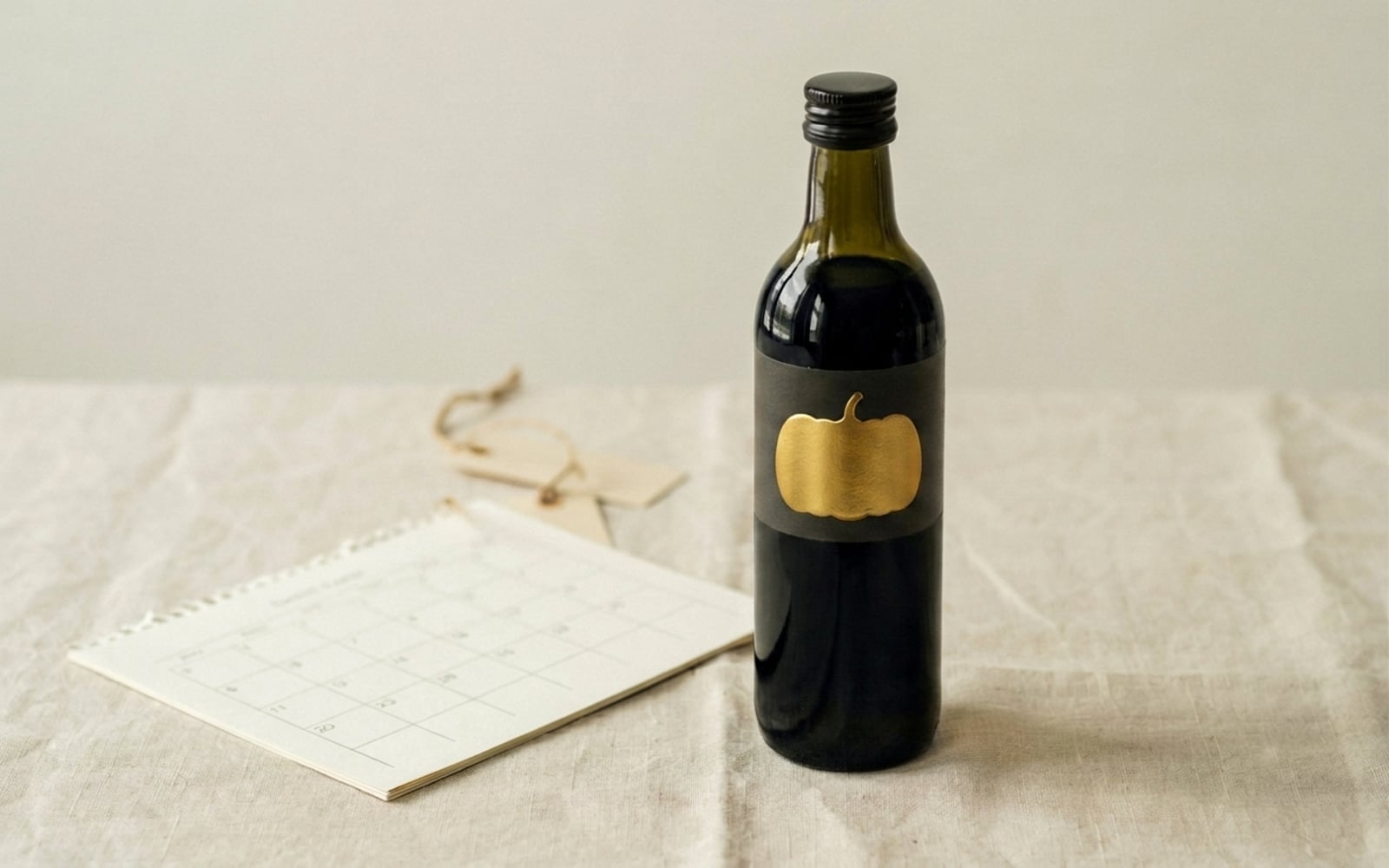
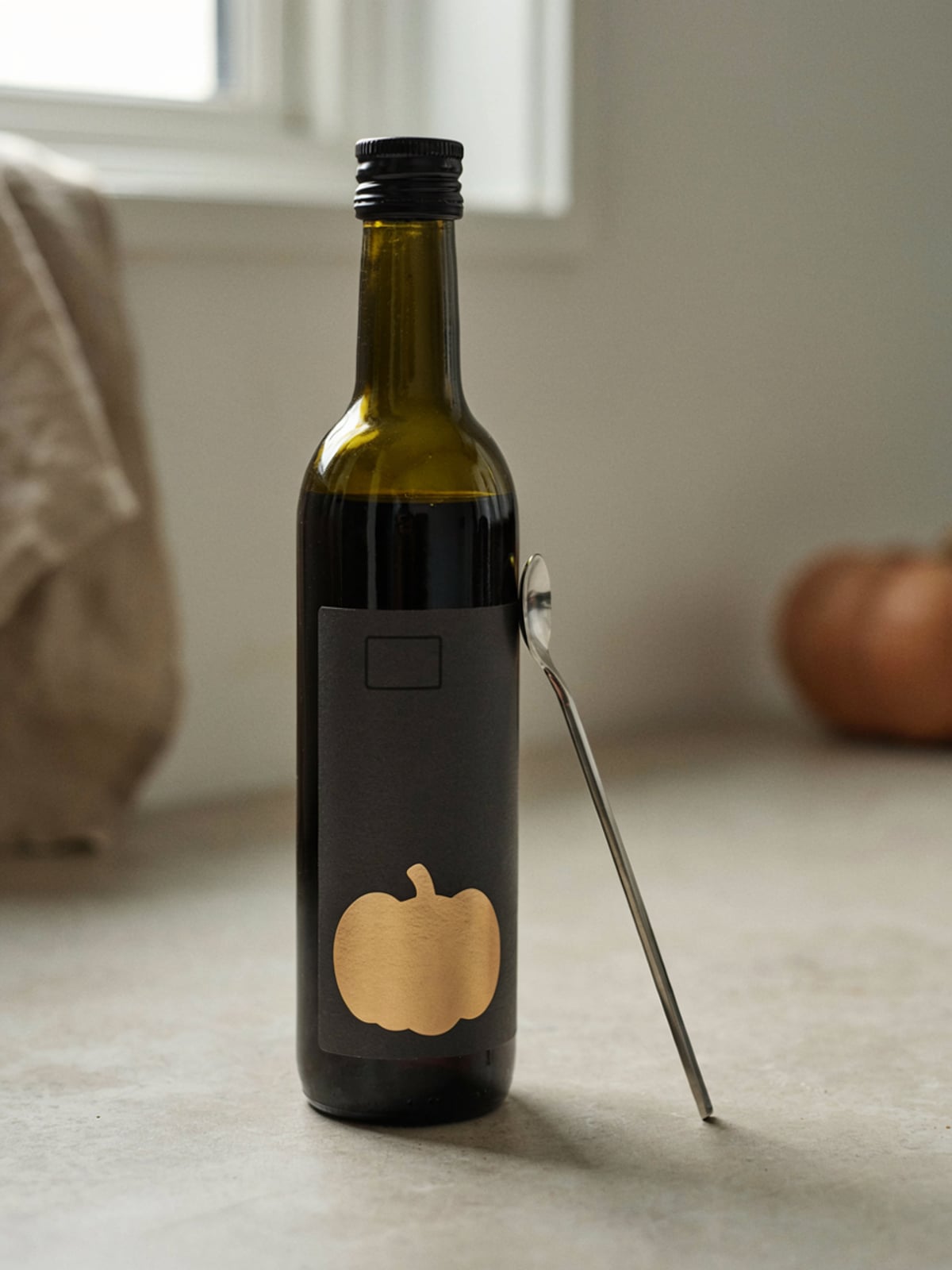
Right at the back of the kitchen cupboard, it turns up again: a bottle of Styrian pumpkin seed oil, half forgotten, with a date on the base that passed a while ago. Toss it or keep it? Before the answer settles, a detour through nose and tongue is worth taking. An expired date doesn't automatically mean the oil is unsafe or worthless — it just means: look closer.
Best-Before Isn't a Poison Clock
For a specialty oil like this, the printed date mostly marks the expected peak quality under good storage — not a sudden cutoff. An unopened bottle, kept cool and dark, often ages more gently than an opened one sitting right next to the stove. Warmth and air work faster than any calendar dictates. How to use that head start: storage and fridge or not?
How to Check
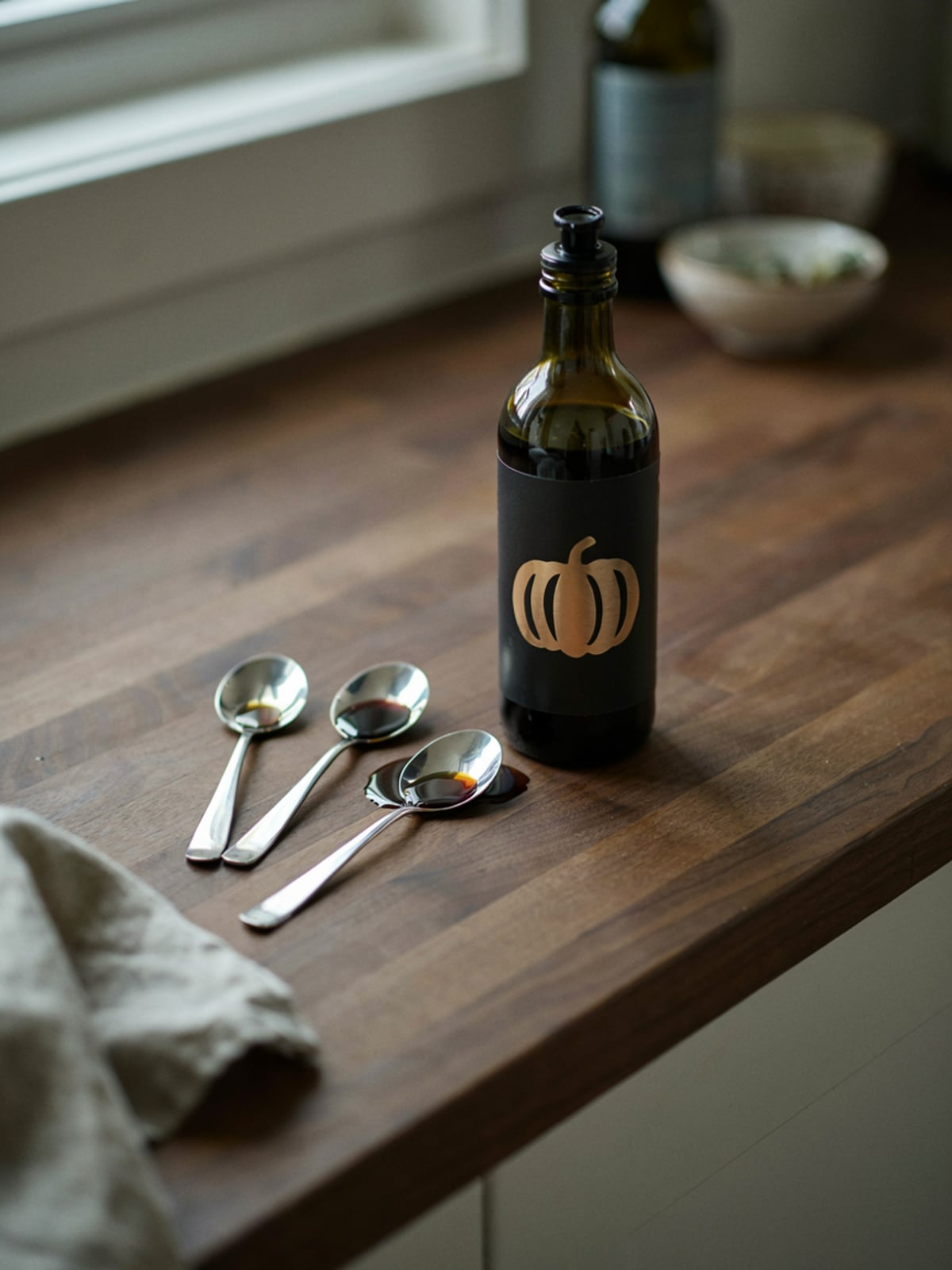
A small splash on a spoon is enough for a first impression. Fresh Styrian pumpkin seed oil smells roasted, nutty, alive — almost as if standing at the press itself. Rancid oil, by contrast, smells flat, cardboard-like, or unpleasantly sharp; more at rancid smell. A drop on the tongue tells the rest: if the bitterness tastes dirty instead of pleasantly roasted, that's a clear stop signal. When in doubt, the salad is better left unseasoned — this oil is too precious to waste on a tired bottle.
Opened Versus Sealed
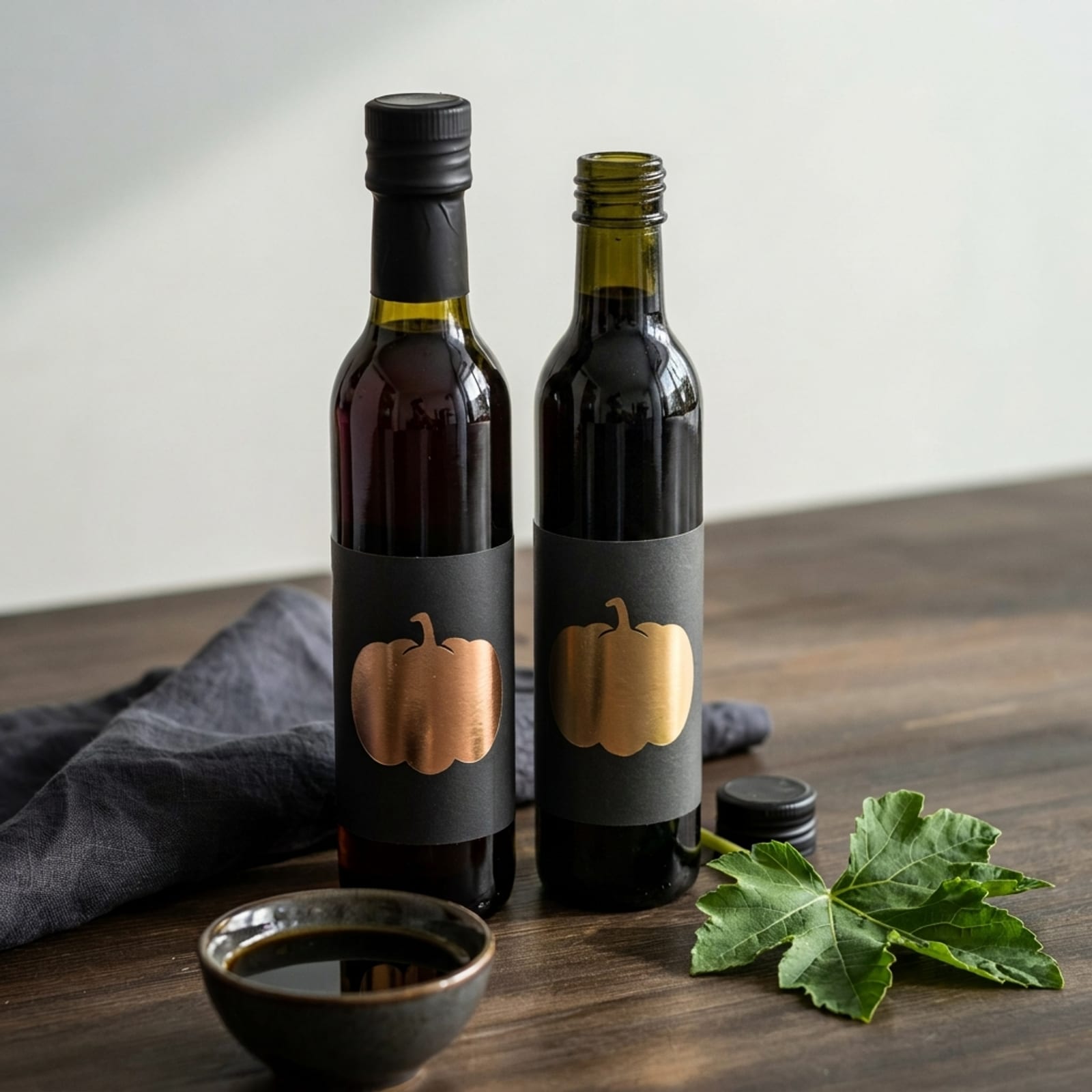
Two bottles, same date, very different fates: the sealed bottle that was never opened can comfortably outlast the date if it was stored kindly. The half-empty bottle that's sat open on the shelf for months, on the other hand, can taste tired well before that printed day. The difference comes down entirely to the air let in once. So finish opened bottles while the aroma still carries — more detail at opened bottle and shelf life.
What Not to Do
Trying to “rescue” a tired oil in the pan doesn't work: heat can't restore a lost aroma, and Styrian pumpkin seed oil is a finishing oil to begin with, not a frying fat (can you cook with it?). Mixing a suspect bottle into a fresh one solves nothing either — the whole batch ends up tasting of it. And dark colour alone is no sign of spoilage; darkness is part of this oil's character (why so dark?).
The Practical Rule
In the end, the sensory impression counts more than the calendar alone. If the bottle still smells good past the date, it simply gets used up soon — and next time, a fresher one can go in the basket. If it smells dull or sharp, the plan changes: open a new bottle, discard the old one. More storage questions sit in the FAQ hub.
Restaurants and Shared Bottles
Open bottles sitting on a café or restaurant table often age faster under dining-room light than they would in a home cupboard. If a dressing suddenly tastes tired there, storage is likely the reason — not some stamped fate called “expired.” At home, that advantage is entirely in your own hands: a dark cupboard, a firm cap, and the clock already shifts in your favour.
Gift Bottles
Gift bottles often sit unopened past their date in the pantry before the occasion to open them finally arrives. A glance at the seal, a thought about the likely storage history, and the usual smell test are enough of a check. A late gift can taste excellent if it spent that whole time in the dark — sometimes even better than a bottle that sat on a bright shelf.
Shop roasted Styrian pumpkin seed oil
Shop now