The Styrian
Pumpkin Seed Oil Journal
The Styrian
Pumpkin Seed Oil Journal
- The Styrian Pumpkin Seed Oil Journal
Shop EN
pumpkinseedoil.ccShop DE
kuerbiskernoel.cc
About
This website also contains some content created with the support of AI.
Colour and Taste of Pumpkin Seed Oil
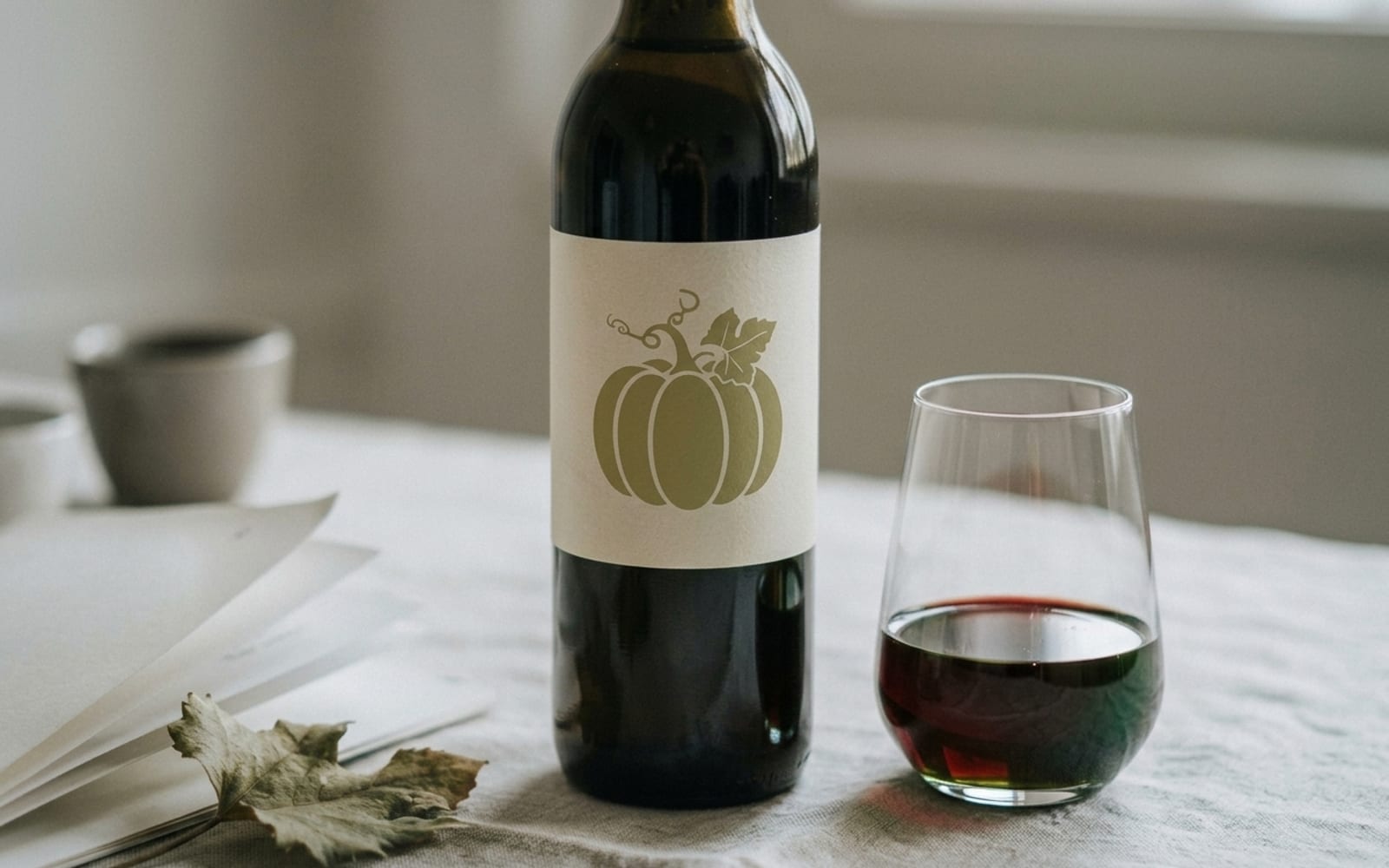
The bottle is barely open, and the smell is already in the room: warm, nutty, like seeds fresh off the roast. Only then does the colour register — almost opaque in the bottle, dark green sliding into black. People who taste this oil often enough tend to say: "Nose first, then the eye." Colour and taste in Styrian pumpkin seed oil are not accidental. They tell you about the seed variety, the roasting path, and how carefully the mill did its work.
Why the Oil Looks Almost Black
The hull-less seeds of Cucurbita pepo var. styriaca carry two pigment groups naturally: chlorophyll — the same green found in leaves — and carotenoids, ranging from yellow through to deep red. Pressing moves both into the oil. In a full bottle, the two overlap and absorb most of the light: the oil reads as very dark, almost black. Only in a thin layer, with light coming through sideways, do the red tones step forward. More on the plant behind these pigments is under the Styrian oil pumpkin.
Roasting Makes the Colour Deeper
In the traditional method, the ground seeds are roasted slowly. That produces brown colour compounds and warm roasted aromas — much the same chemistry behind a good bread crust or roasted nuts. Combined with the natural pigments already there, the oil turns especially dark. Cold-pressed oil from the same seeds stays lighter and greener, since it skips that step entirely.
And here sits a quiet tension: roasted too hard, and the oil turns bitter; too gently, and it stays flat. A clear, lively colour counts as a quality marker far more than "as black as possible" ever does. Dull, murky cloudiness usually points to poor storage instead.
What the Oil Leaves on the Tongue
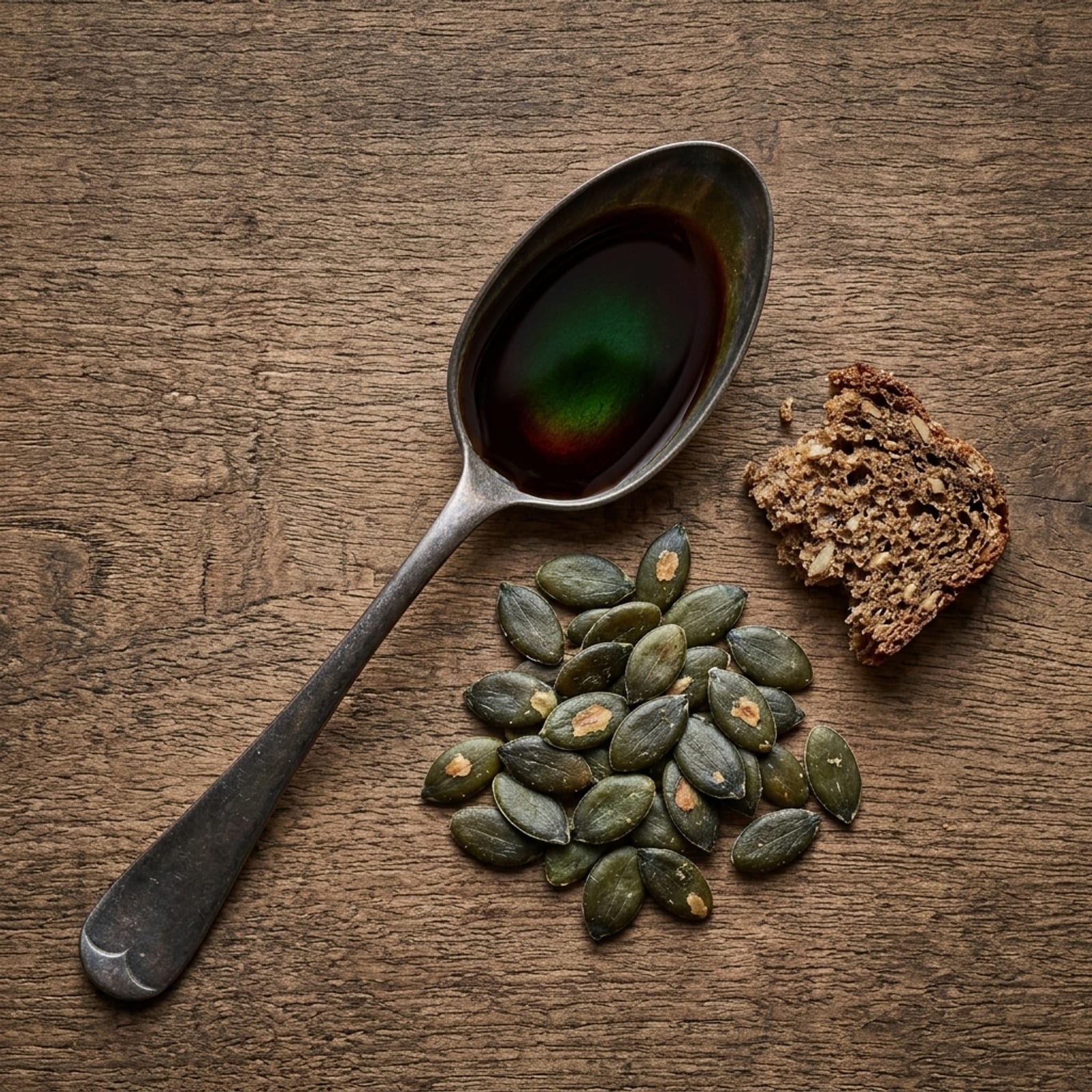
Good Styrian pumpkin seed oil tastes full, round, and nutty — with notes of sesame and a light sweetness in the finish. It is not a loud flavour so much as a lasting one: even a small amount changes a dish. The seed brings its own aromatic compounds along, and slow roasting deepens and warms them. People often say this taste is hard to describe but harder still to forget.
Cold-pressed versions come across fresher and gentler, with more of a green, plant-forward note. Both styles can be excellent — they simply suit different plates. Tips for using either are under using pumpkin seed oil in the kitchen.
Recognising Freshness — By Nose and Palate
Fresh oil smells clearly of seed and roast — never musty, sharp, metallic, or like old fat. On the palate, the nuttiness stays clean and rounded. When bitterness and a scratchy aftertaste start to creep in, the oil has usually taken on too much light, warmth, or air. That sensitivity comes from its high share of polyunsaturated fats, which makes pumpkin seed oil more delicate than many other cooking oils.
The fix is simple: keep it cool, dark, and tightly closed — into the fridge after opening if needed. Full detail is under storing pumpkin seed oil correctly.
Colour as a Quiet Clue to Origin
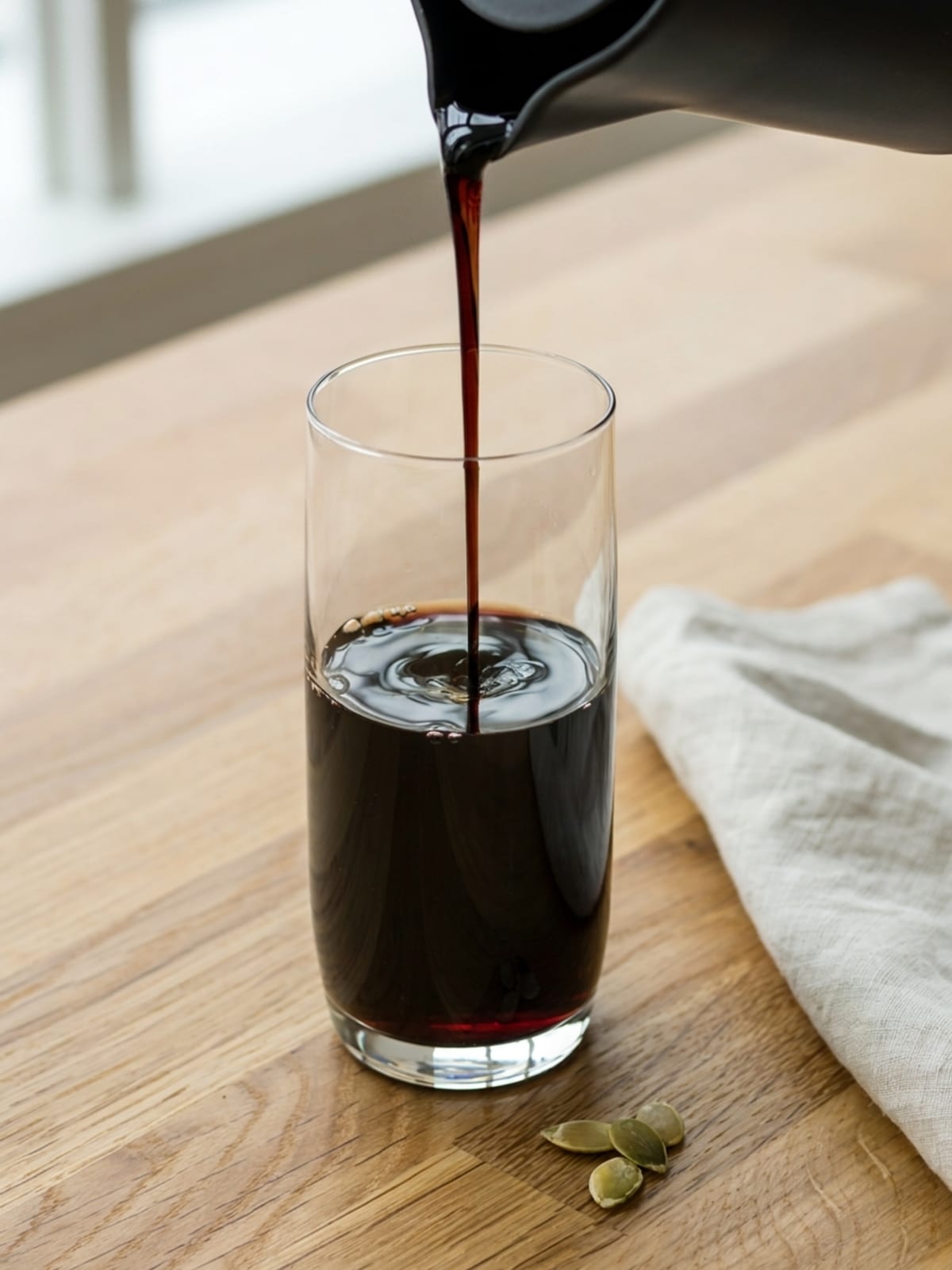
Traditionally made Styrian oil tends to run darker and more aromatic than many other pumpkin seed oils. The seed variety, the fine seed skin, and the roasting process all play a part. Very pale yellow or orange oils usually come from a different variety, a different region, or a particularly gentle cold press.
Still, don't rely on the eye alone. The most reliable checks remain origin, the ingredient list, and the PGI mark on the label — explained under Styrian PGI explained.
The Colour That Unfolds in the Glass
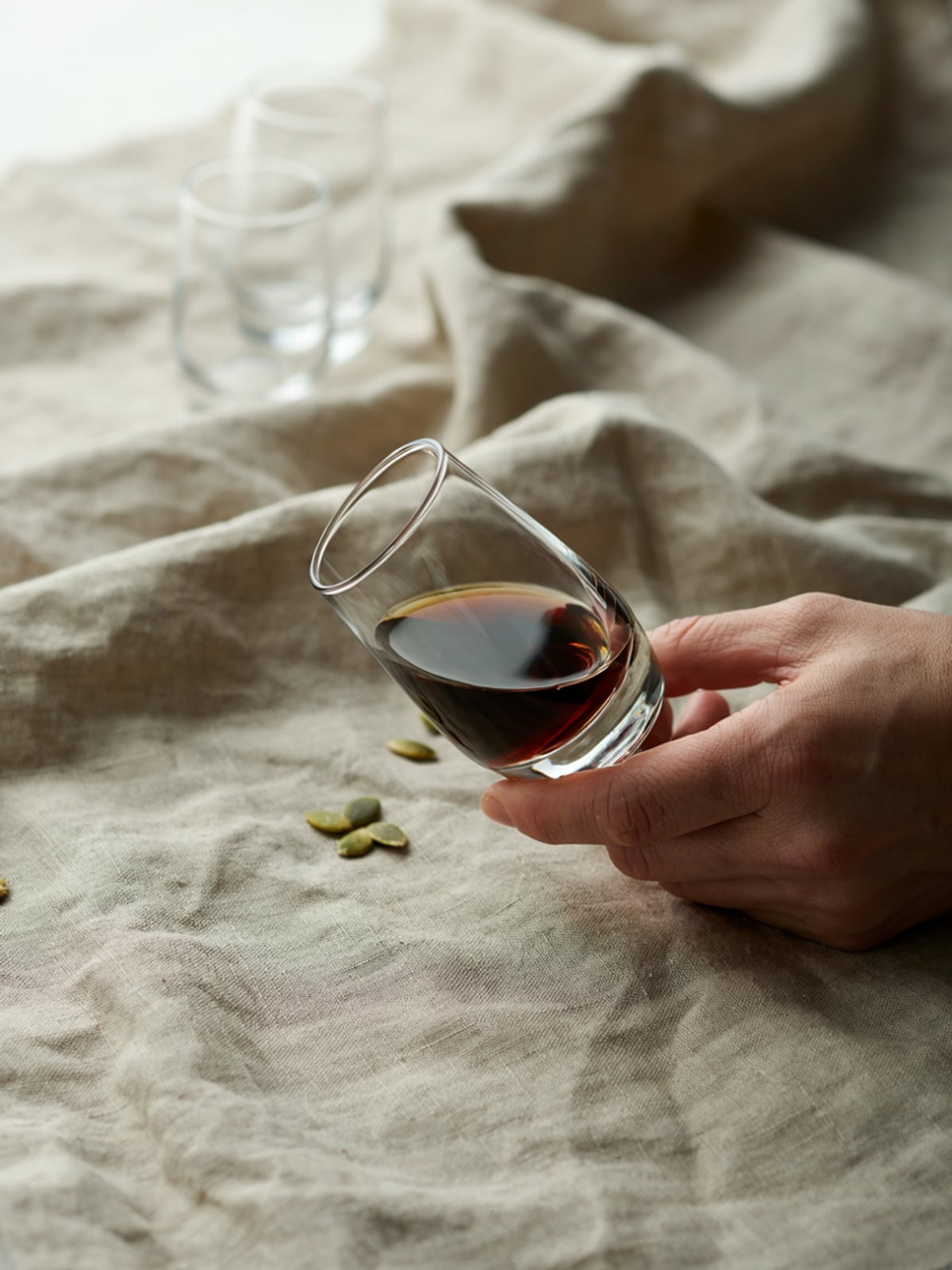
What that colour shift really means becomes clearest when you taste it off a light-coloured plate. Spread thin, the oil glows deep red to ruby — the very same oil that looked almost black in the bottle. In a thin layer it lets red light through while absorbing the darker wavelengths. Where it thins out at the edges, amber appears. That play of colour is part of what makes Styrian pumpkin seed oil what it is.
In the kitchen, that dark drop is also a design choice: on pale soup, mozzarella, or vanilla ice cream, it sets contrast before the first taste even happens. Which is exactly why a little goes a long way, and why the oil is always added last — so the smell, colour, and flavour all land at their peak. Why this same oil is called "green gold" is told under why it is called green gold.
Shop pure Styrian pumpkin seed oil PGI
Shop now