The Styrian
Pumpkin Seed Oil Journal
The Styrian
Pumpkin Seed Oil Journal
- The Styrian Pumpkin Seed Oil Journal
Shop EN
pumpkinseedoil.ccShop DE
kuerbiskernoel.cc
About
This website also contains some content created with the support of AI.
Pumpkin Seed Oil and Diabetes: Blood Sugar Research, Read Carefully
Health notice: This page discusses topics related to health research and tradition. It is not medical advice. Do not use it to diagnose, treat, cure, or prevent any disease. Talk to a qualified healthcare professional before changing your diet or supplements.

Diabetes is a serious, carefully managed condition, and it deserves a careful answer rather than an enthusiastic one. Pumpkin seed — mostly the whole seed and its extract, less often the oil specifically — has been studied in animal models and a smaller number of human trials for effects on blood sugar regulation. There is a real research thread here worth explaining, and an equally real set of limits on what it can currently support.
Type 1 Versus Type 2: Why the Distinction Matters Here
Diabetes is not one condition. Type 1 diabetes is an autoimmune condition requiring insulin regardless of diet, while type 2 is more closely tied to insulin resistance, weight, and lifestyle factors that diet can meaningfully influence. Almost all of the research discussed below, animal or human, was conducted in models or contexts closer to type 2, and none of it changes the basic insulin requirements of type 1 diabetes. Knowing which category applies is a useful first filter before reading any food-and-blood-sugar claim, including this one.
What the Research Has Actually Tested
Animal studies have reported that pumpkin seed extract or oil can influence blood glucose and insulin markers in diabetic rodent models, sometimes fairly substantially. Human evidence is thinner and more mixed: a small number of trials have looked at pumpkin seed products alongside blood sugar markers in people, with variable results depending on the preparation, dose, and population studied. Animal findings are a useful starting point for research, not a direct promise of the same effect in humans, and the gap between the two remains wide here.
Whole Seed, Extract, and Oil Are Not Interchangeable

This distinction matters more for diabetes research than almost anywhere else on this site. Much of the human-relevant work involves whole pumpkin seeds or seed flour — which contain fibre and protein that oil does not — rather than the extracted oil itself, which is essentially pure fat without that fibre content. Fibre has its own, better-established relationship with blood sugar management, largely separate from anything specific to pumpkin seed. Readers should not assume that a finding about seeds or seed flour automatically transfers to a bottle of oil, and the effects overview discusses this kind of preparation gap across several topics.
How Oil Fits a Diabetic Diet in Practice
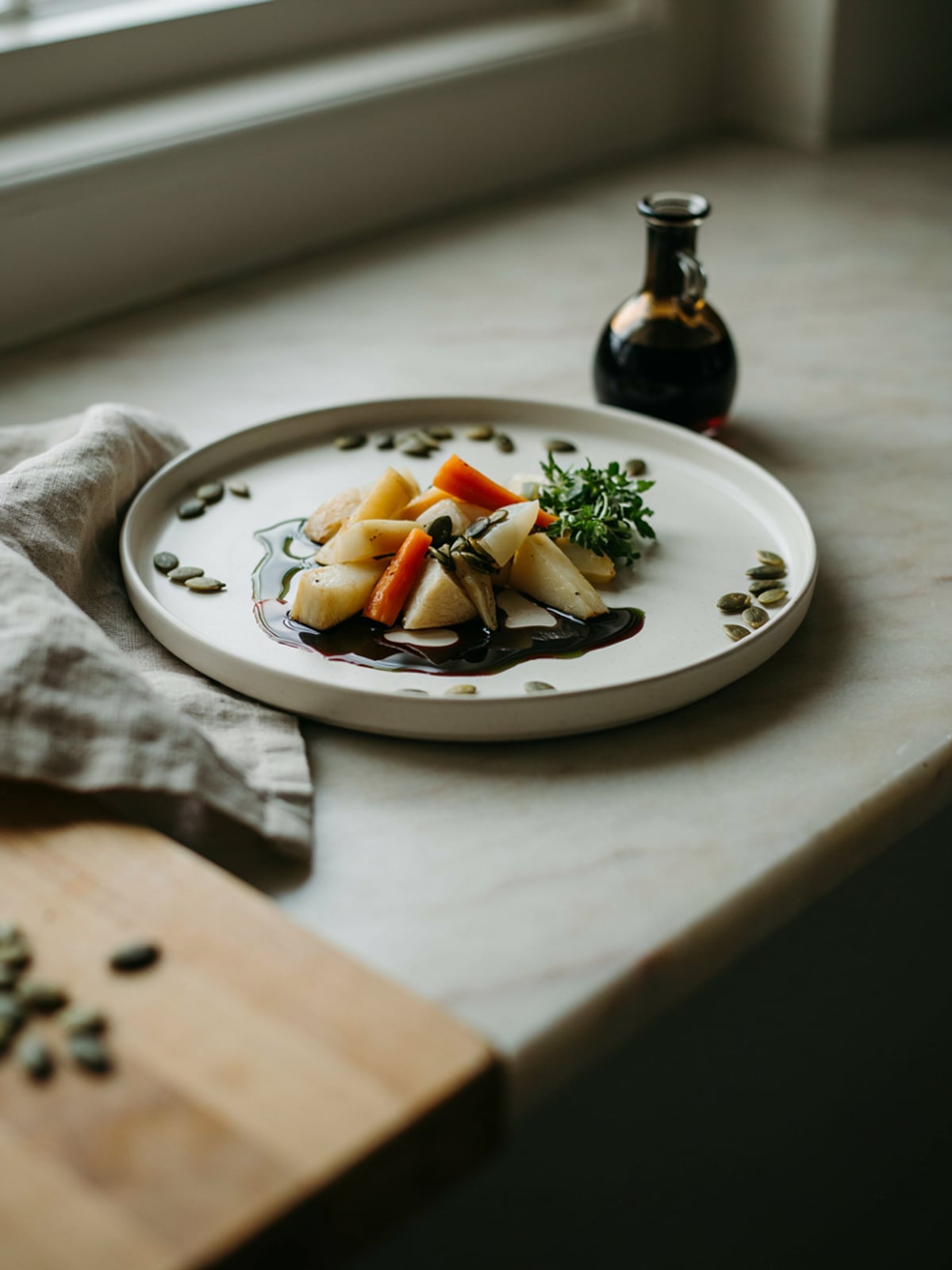
Independent of any specific blood-sugar claim, pumpkin seed oil is a fat with essentially no carbohydrate content, which makes it broadly neutral for blood sugar in the way that plain culinary fats generally are — it will not spike glucose the way a starchy or sugary food would. Used as a finishing oil on vegetables, salads, or cooked grains, it can be a reasonable part of a diabetes-conscious diet for the same general reasons that unsaturated plant oils are recommended over some saturated alternatives, discussed further on the cholesterol page. That is a fair, practical use of the oil, distinct from any claim about actively lowering blood sugar.
What Actually Moves Blood Sugar Most

For people managing diabetes, carbohydrate quantity and quality, physical activity, weight, and prescribed medication remain, by a wide margin, the factors with the strongest and most consistent evidence for blood sugar control — a reality that any single oil, however interesting its research, does not change. Framed that way, pumpkin seed oil's realistic role is simply as a reasonable fat choice within a diabetes-conscious meal plan, not as a tool that shifts blood sugar outcomes on its own.
Where This Fits
Nothing in this article should be read as guidance for managing diabetes, adjusting medication, or replacing a prescribed diet plan — that responsibility sits with the reader's doctor or diabetes care team, who can account for individual medication, kidney function, and other factors that a general food article cannot. For readers under that care who are simply curious about the science, the animal and preliminary human research described here explains where the interest comes from, and the weight loss article and the liver article cover closely related metabolic territory in the same tone.
Try protected Styrian pumpkin seed oil
Shop now