The Styrian
Pumpkin Seed Oil Journal
The Styrian
Pumpkin Seed Oil Journal
- The Styrian Pumpkin Seed Oil Journal
Shop EN
pumpkinseedoil.ccShop DE
kuerbiskernoel.cc
About
This website also contains some content created with the support of AI.
Pumpkin Seed Oil and the Prostate
Health notice: This page discusses topics related to health research and tradition. It is not medical advice. Do not use it to diagnose, treat, cure, or prevent any disease. Talk to a qualified healthcare professional before changing your diet or supplements.
In plenty of Austrian kitchens, the dark bottle sat on the table long before anyone knew the word "phytosterol." When people associate pumpkin seed oil with one particular effect, it is usually this one: the traditional link to men's prostate and bladder health. That connection is old, known well beyond Austria, and the main reason pumpkin seeds and their oil count as a "functional" food in so many countries at all. So what actually stands behind this reputation, and what does the research really say?
A Habit That Passed Through Generations
The use of pumpkin seeds for men's urinary complaints reaches far back in Central Europe, and it is no modern marketing invention. Across generations, people in pumpkin-growing regions worked the seeds and their oil into an everyday dietary routine, often especially among older men. That long tradition alone is not scientific proof, but it explains why the topic ended up studied so intensively in pumpkin seed oil research in the first place — the observation at the kitchen table came first, scientific curiosity followed.
Which Compounds the Research Focuses On
Research on this topic centres mainly on certain phytosterols, particularly ones found in unusually high concentration in oil pumpkin seeds, along with some of the oil's characteristic fatty acids. The underlying idea: these compounds might act on biological processes connected to prostate health. A detailed look at these specific compounds sits at the pumpkin seed oil composition overview, with particular focus on the phytosterols themselves.
Early Studies, a Cautious Yes
Several smaller clinical studies have looked at pumpkin seed oil or pumpkin seed extracts in connection with symptoms of benign prostate enlargement, with some encouraging results. Some participants reported fewer nighttime trips to the bathroom, others an overall calmer day-to-day experience with their symptoms. It is exactly this cautious yes that has kept the discussion alive over the years and kept prompting new research.
Where the Limits Sit
Important context: these studies are mostly small, use different extract forms and doses, and the field still lacks the kind of large-scale, repeated research that a clear medical recommendation would require. Encouraging early signals are not the same as a proven effect, and that distinction matters especially on this topic. Anyone who reads a single study and turns it into a promise of healing skips exactly this step.
When a Doctor's Visit Is the Better First Step
Anyone with actual symptoms around prostate or bladder health should get them checked medically rather than relying on pumpkin seed oil alone as treatment. At best, the oil can play a supporting role within a healthy diet, but it does not replace a medical diagnosis or therapy. This order — assessment first, food as a companion second — belongs to any responsible reading of the existing research.
Oil in Everyday Life, Regardless of the Findings
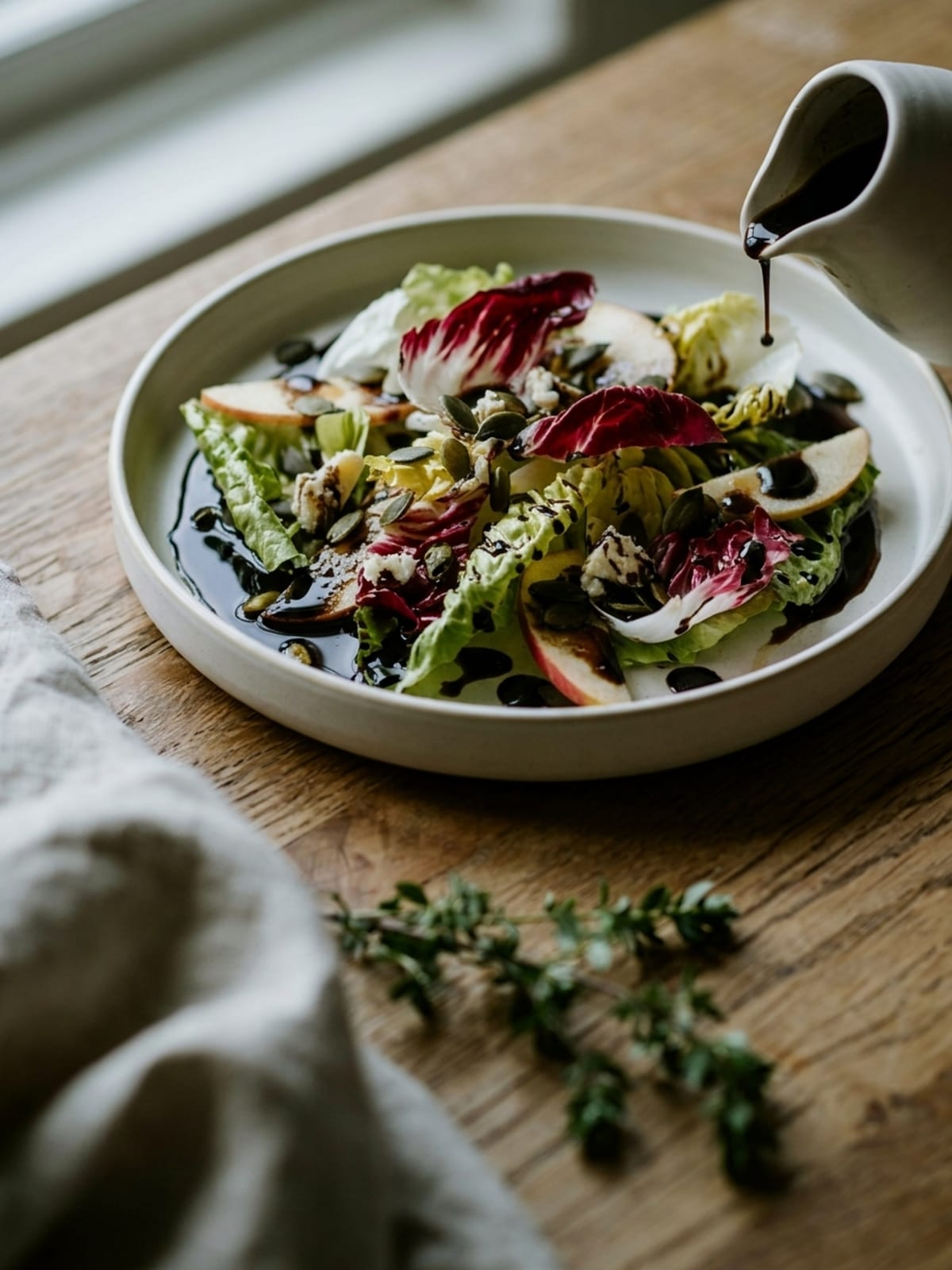
Enjoying pumpkin seed oil as a regular part of a balanced diet is a sensible choice quite apart from this specific question — it is simply a good, flavourful oil with an interesting nutrient profile. So swirling the spoon over the evening plate is not only about the prostate; it is also because it tastes good, and that is allowed to stay the main reason.
The Wider Picture of Its Effects
Prostate health is only one of several effects traditionally linked to this oil. A fuller overview of all these topics, along with a sober assessment of where the research currently stands on each, sits at the effects of pumpkin seed oil, while pumpkin seed oil and health at a glance places the whole picture in perspective, showing how these individual pieces fit together.
Discover Styrian Kürbiskernöl for your kitchen
Shop now