The Styrian
Pumpkin Seed Oil Journal
The Styrian
Pumpkin Seed Oil Journal
- The Styrian Pumpkin Seed Oil Journal
Shop EN
pumpkinseedoil.ccShop DE
kuerbiskernoel.cc
About
This website also contains some content created with the support of AI.
Pumpkin Seed Oil and the Bladder
Health notice: This page discusses topics related to health research and tradition. It is not medical advice. Do not use it to diagnose, treat, cure, or prevent any disease. Talk to a qualified healthcare professional before changing your diet or supplements.
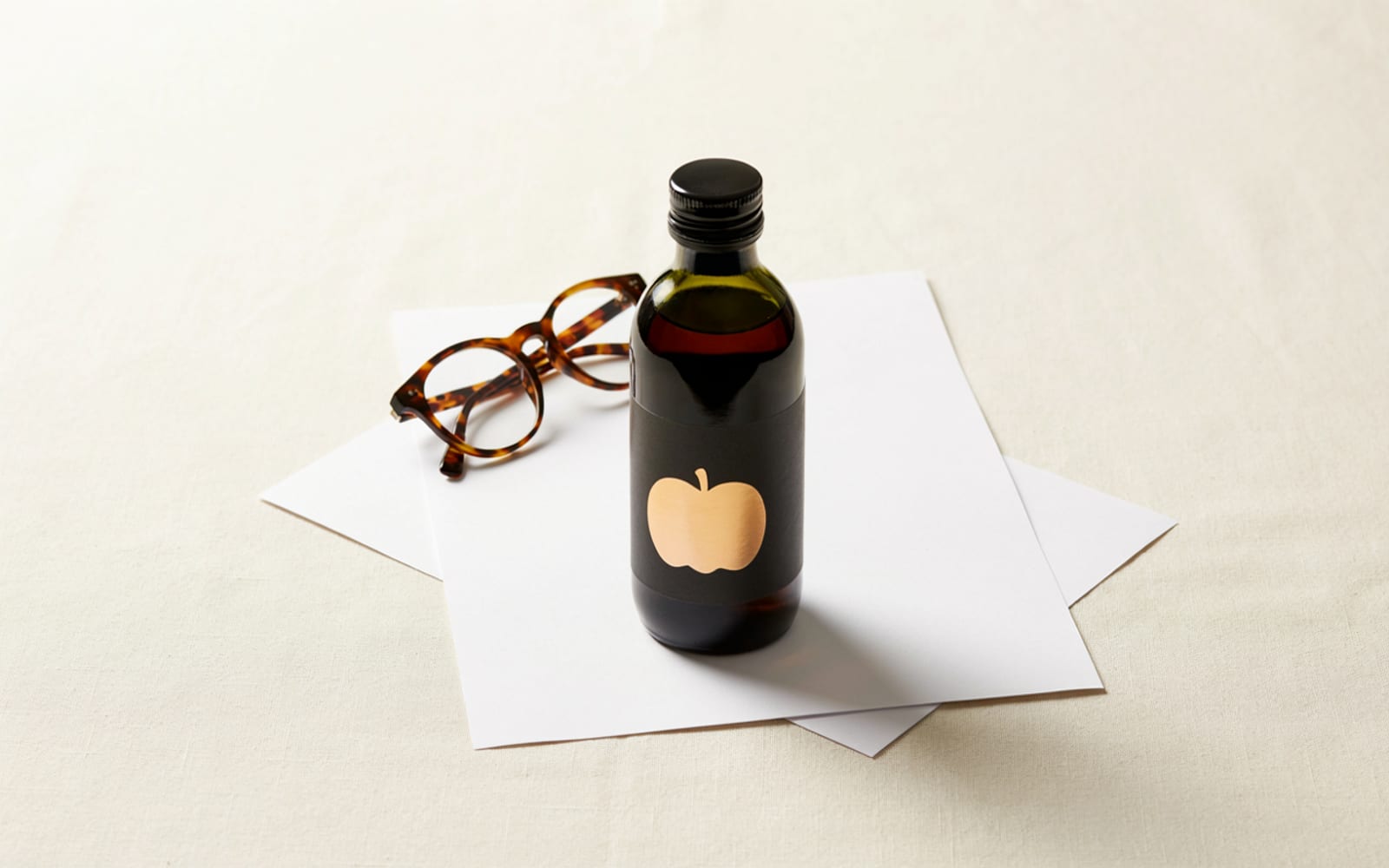
With frequent urges and constant trips to the bathroom, the keyword pumpkin seed comes up online fairly fast. The research behind it, though, mostly concerns standardised extracts — not the splash of oil on a salad. Pumpkin seed oil remains a characterful food made from roasted seeds, not a medicine, and this is exactly where a clean separation between kitchen product, early research, and actual treatment earns its keep.
What Small Studies Have Shown So Far
A handful of smaller investigations into overactive bladder reported changes in urgency or frequency. The results are interesting, but not conclusive, given differing preparations and small participant groups. Headlines and product copy often compress research further than the data actually allow — a single food does not answer an individual diagnostic question.
Why Seed, Extract, and Oil Are Different Things
When studies examine pumpkin products, the form used decides how much weight the result can carry. Whole seeds bring fibre, protein, and minerals along with them. Extracts are concentrated and dosed in fixed amounts. The cooking oil on the plate, by contrast, consists mainly of fat and its fat-soluble companions. Results on seeds or capsules therefore do not automatically transfer to a tablespoon of oil — more on this at the pumpkin seed oil composition overview.
What Actually Helps Day to Day
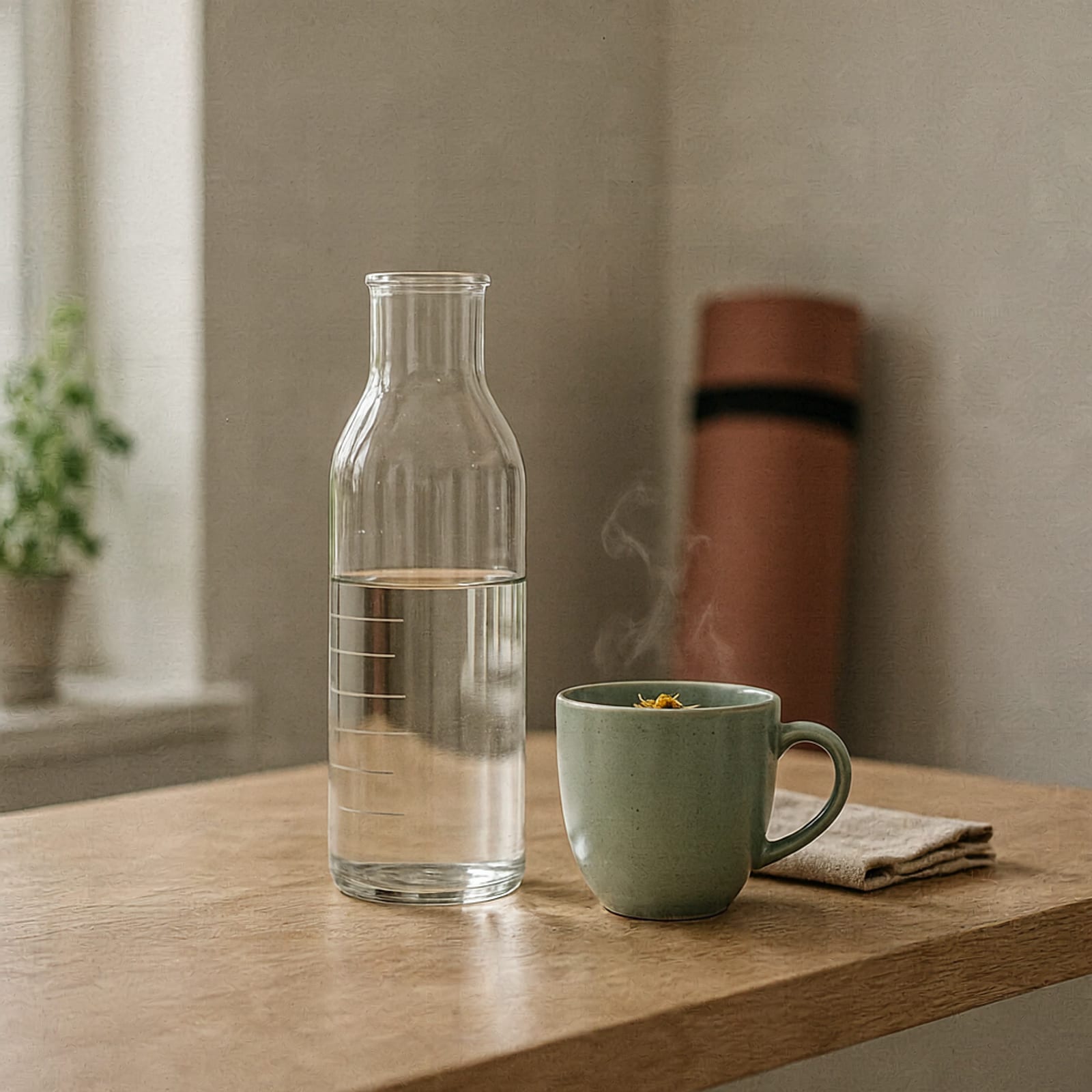
For everyday life, drinking rhythm, less caffeine in the evening, and targeted pelvic floor training are usually better studied than any single food. Which approach genuinely fits depends on the cause, and that is best worked out together with a professional rather than through personal trial and error.
Where the Oil Still Has Its Place
Regardless of the bladder question, the oil stays interesting mainly for its nutty, roasted flavour: small amounts are enough on potatoes, salad, vegetables, or a mild soup, since the oil is intense and calorie-dense. Notes on use and storage sit in the kitchen section.
Where a Cooking Oil Reaches Its Limit
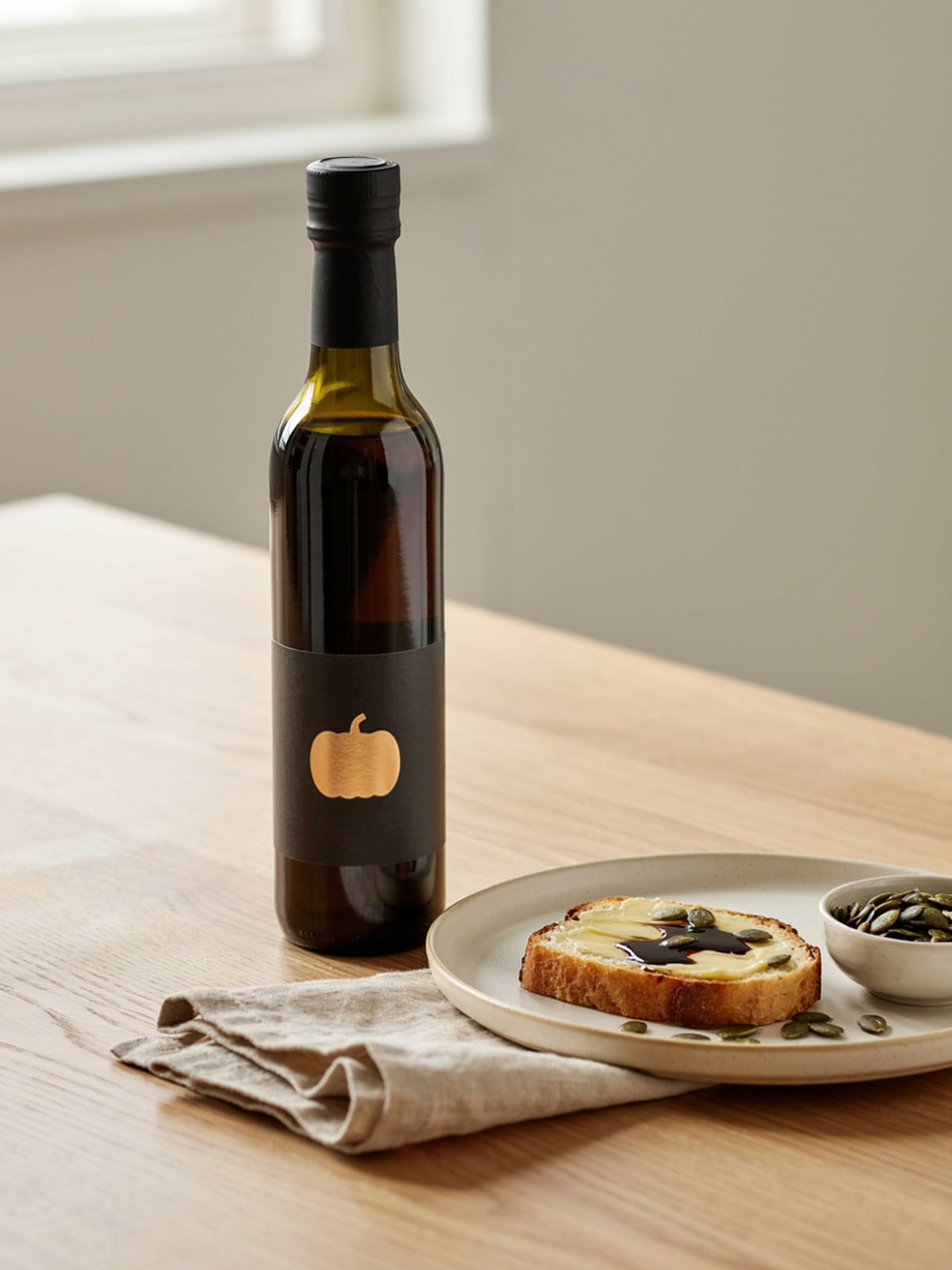
Pain, blood in the urine, fever, or newly appearing symptoms belong in medical hands immediately. A cooking oil cannot treat an infection, stones, or other conditions, however good its reputation sounds. With acute or worsening symptoms, it makes more sense to stop experimenting and see a professional — someone who can distinguish causes that a general wellness article cannot recognise.
What Remains in the End
Anyone interested in the wider health picture finds further topics with the same cautious perspective at the health overview. The best thing about the oil often stays the simplest: enjoying a good food deliberately, storing it fresh — and not promising it more than research and everyday life actually deliver.
Buy Styrian oil for dressings and drizzle
Shop now