The Styrian
Pumpkin Seed Oil Journal
The Styrian
Pumpkin Seed Oil Journal
- The Styrian Pumpkin Seed Oil Journal
Shop EN
pumpkinseedoil.ccShop DE
kuerbiskernoel.cc
About
This website also contains some content created with the support of AI.
Pumpkin Seed Oil vs Walnut Oil
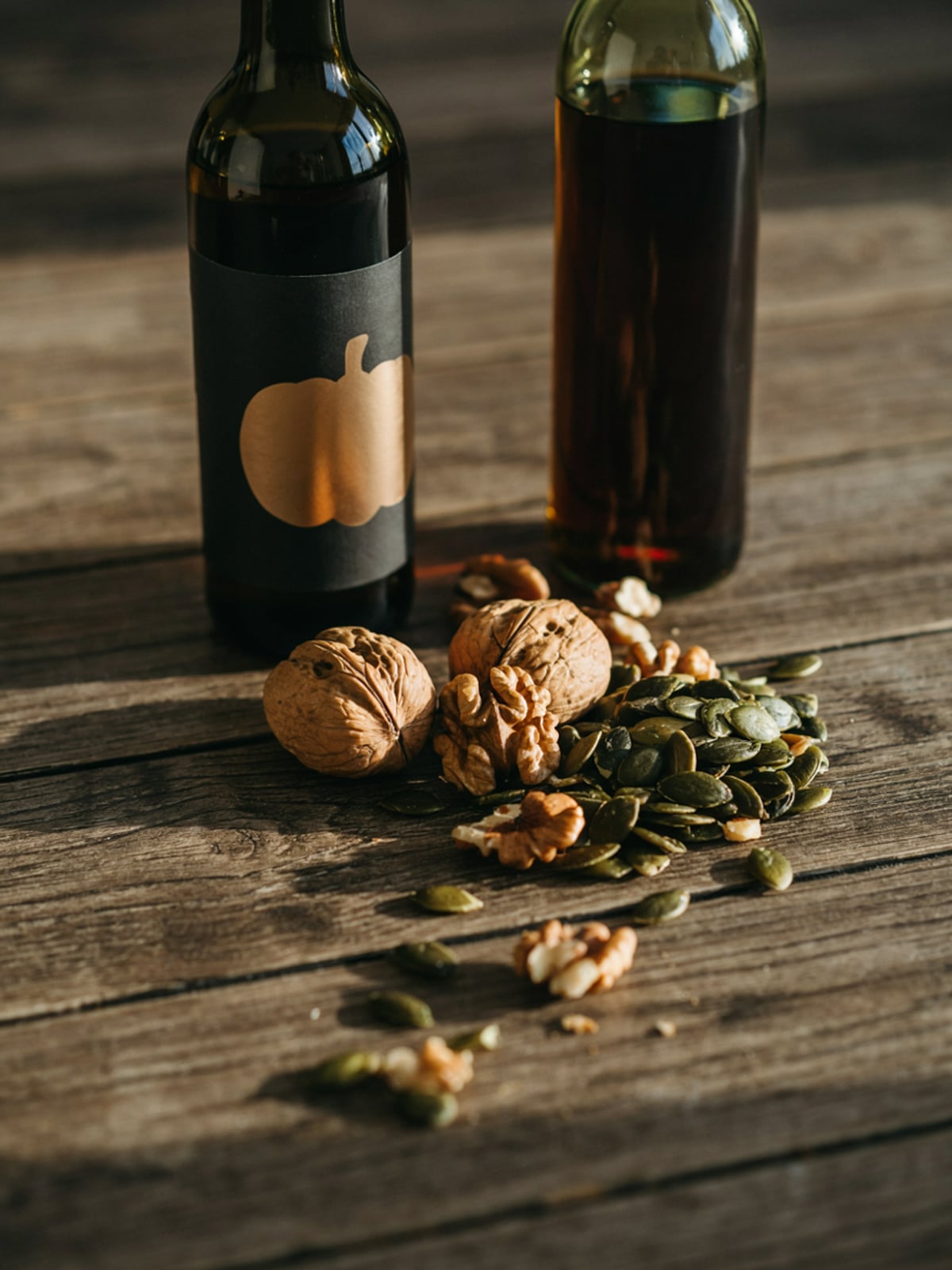
If any oil feels like a sibling to Styrian pumpkin seed oil, it's walnut oil. Both are specialty finishers, not frying oils. Both smell of roasted nut when the quality is good. Both look out of place in a deep fryer and exactly right over leafy greens or cheese. And yet something separates them that only becomes obvious on the second spoonful: volume.
Like Two Siblings on the Oil Shelf
“Nutty” is a wide word. It stretches from the fresh sweetness of a walnut to the dark roast of Styrian pumpkin seeds — and worlds sit in between. Kitchen habits, price, and labelling separate the two oils more than a quick glance suggests. Anyone who opens both bottles side by side hears the difference almost before tasting it.
What Reaches the Nose First
Classic French walnut oil often smells of fresh walnut: round, sweet-nutty, with a mild bitterness on the finish. Some producers roast it harder, closer to toast. Styrian pumpkin seed oil, by contrast, is defined by roasting as a fixed part of production — the aroma runs deeper, closer to roasted kernel than fresh nut, and often stronger per teaspoon. On a mild lettuce, walnut oil can whisper; pumpkin seed oil tends to speak loudly. Both are correct — only the volume differs. Roasting background: roasting the seeds.
A Look Through the Glass
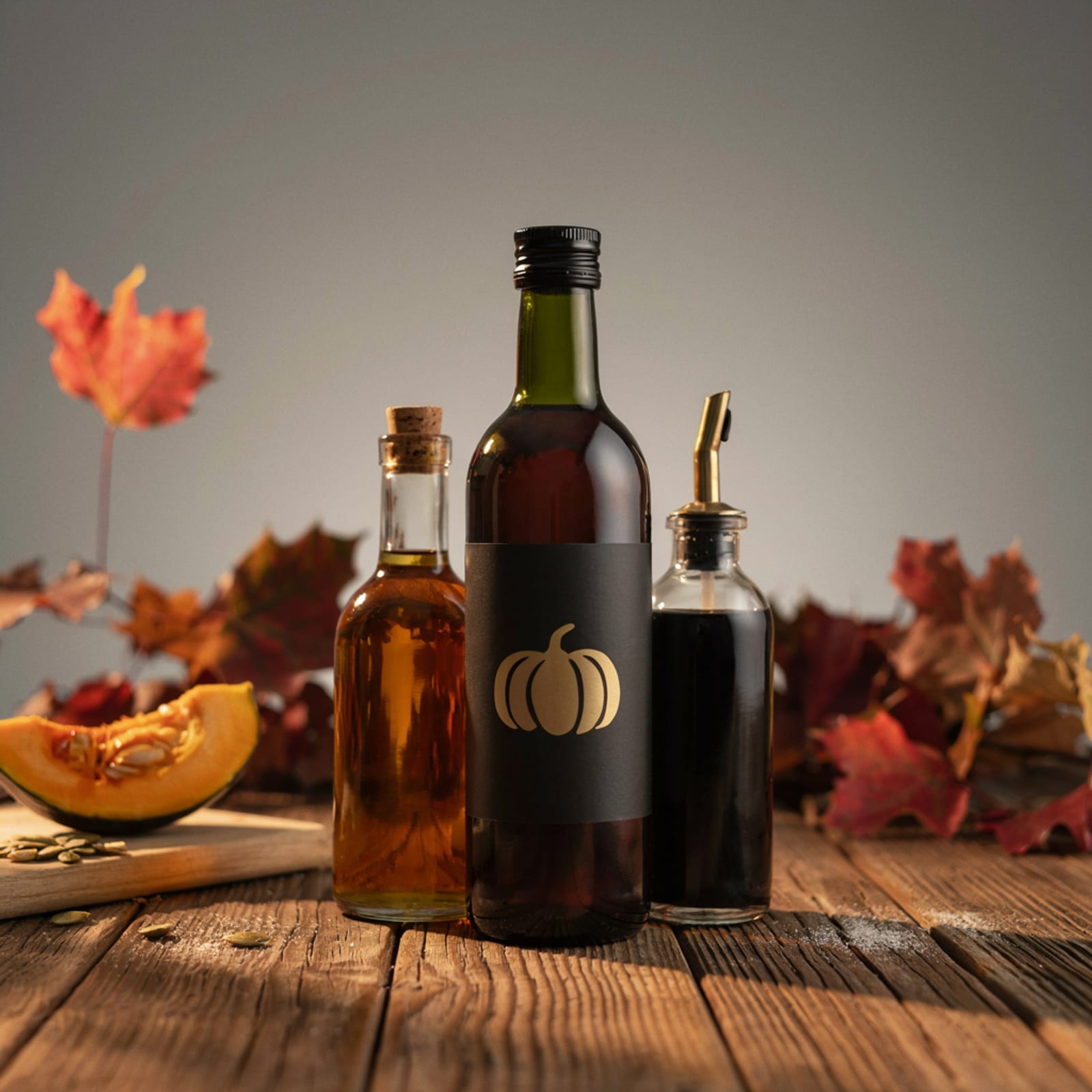
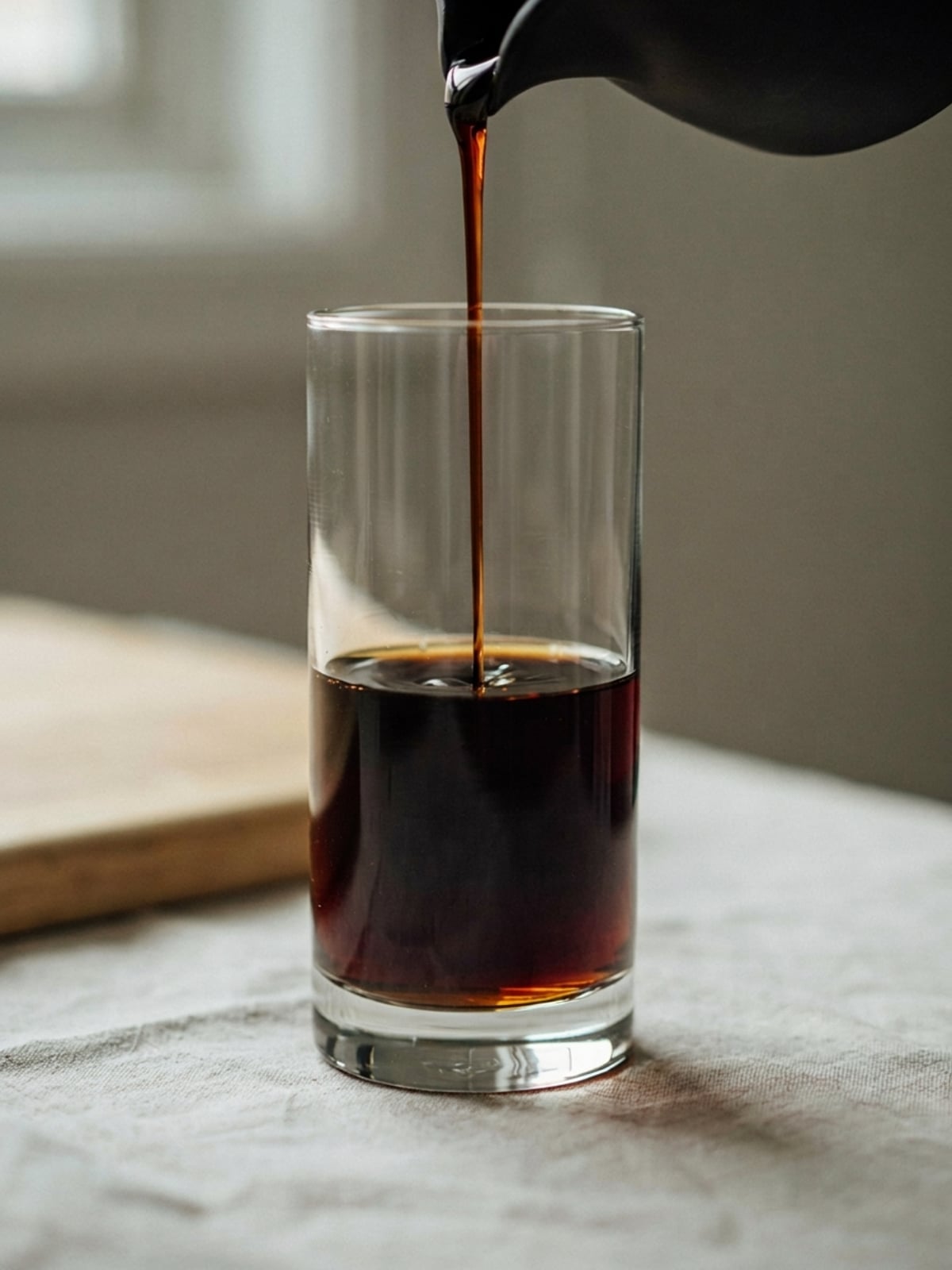
Hold both bottles to the light. Walnut oil usually shows gold to amber. Pumpkin seed oil looks very dark in the bottle; a thin film reveals a lively green. That colour shift is a practical shopping cue for genuine Styrian roasted oil and helps separate it from paler pumpkin seed oils without that roast character. Appearance alone proves no PGI status — always check the seal — but it saves you from obvious missteps on the shelf. Origin: Styrian PGI.
When the Stove Is Lit
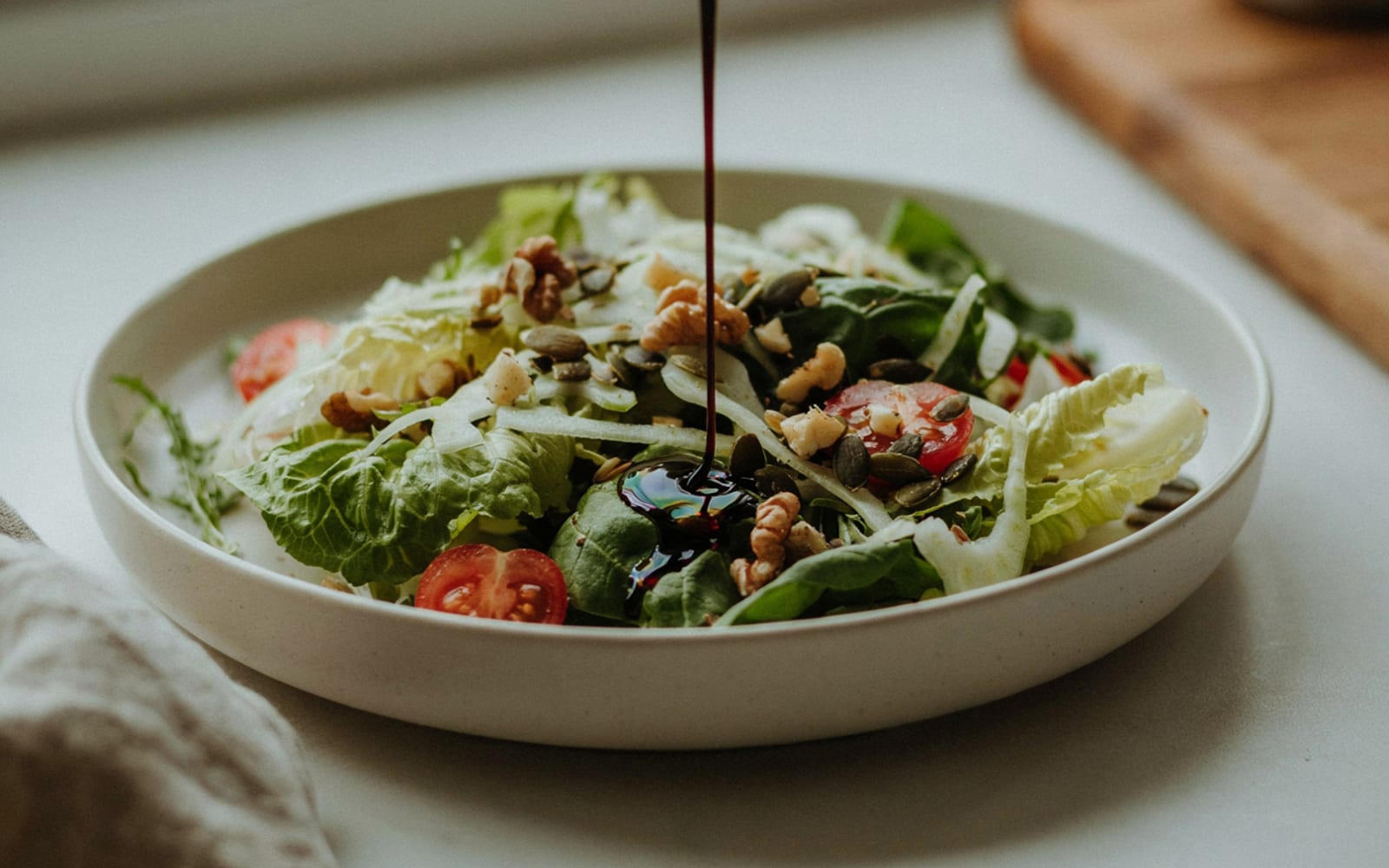
Both oils remain finishing oils, not frying fats. Warm dishes may receive them at serving temperature; strong frying suits neither. Styrian kitchens pour pumpkin seed oil over salads, soups, eggs, and cold plates. Walnut oil classically pairs with endive, goat cheese, roasted beetroot, and vinaigrettes. In a pinch, either can stand in for the other for a nutty finish — the dish just tastes different. Heat rules: cooking with pumpkin seed oil. Serving ideas: flavour pairings, cold plates.
What a Drop Costs
Both specialty oils cost more than supermarket frying oil. Genuine Styrian PGI pumpkin seed oil often sits among the pricier bottles — seed yield is low, and the protected production process takes real work. The practical answer is portion control: a teaspoon or tablespoon finishes the plate, so nobody deep-fries with it. Smaller bottles help keep it fresh. Storage: storage and how long does an opened bottle last?
Anyone Who Must Avoid Nuts
Walnut oil is a tree-nut product and matters for anyone who must avoid nuts. Pumpkin seed oil is a seed oil from the oil pumpkin, not a walnut product — though it's still worth checking labels for blends or shared production-line notices. Pure Styrian oil should name pumpkin seed oil clearly; salad-oil blends can contain cheaper oils. Clarification: blend or pure? and blends and imports.
Which Oil Suits Which Evening
Choose walnut oil when a classic French nut vinaigrette and a softer nutty perfume are wanted. Choose Styrian pumpkin seed oil when a roasted Alpine character, PGI origin, and that green flash in the glass are called for. Anyone cooking across both traditions usually ends up keeping both bottles in the cupboard. More comparisons in the compare hub, including vs olive oil and vs sesame oil.
Getting the Vinegar Right
Both oils like acidity. A practical start: slightly more vinegar or lemon than with mild olive oil, then a measured spoon of nutty oil instead of a free pour. Taste after tossing — walnut oil should leave a fresh nutty finish, pumpkin seed oil a roasted echo. If the salad tastes oily instead of bright, there was too much oil or too little acid. Styrian cooks often balance pumpkin seed oil with apple vinegar, while French walnut vinaigrettes lean on wine vinegar — and anyone hosting guests is best served by opening a bottle that will actually be finished in the coming weeks. More patterns in flavour pairings for quick ideas without a full recipe.
Taste PGI Styrian pumpkin seed oil today
Shop now