The Styrian
Pumpkin Seed Oil Journal
The Styrian
Pumpkin Seed Oil Journal
- The Styrian Pumpkin Seed Oil Journal
Shop EN
pumpkinseedoil.ccShop DE
kuerbiskernoel.cc
About
This website also contains some content created with the support of AI.
Why Is Pumpkin Seed Oil So Expensive?
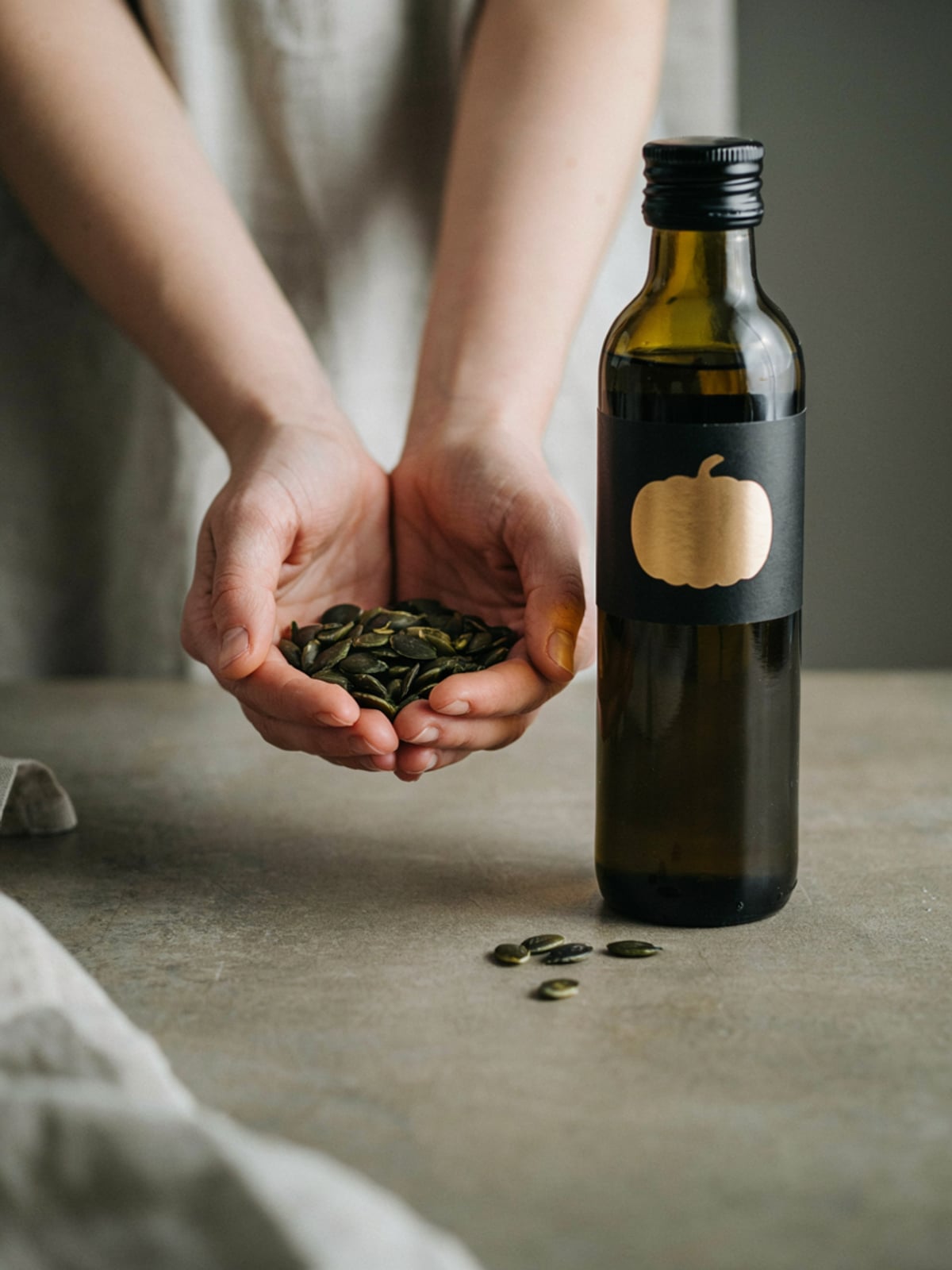
At the checkout, someone pauses for a second before the small dark bottle goes into the basket. The price per litre looks steep at first glance, almost outrageous for a cooking oil. But unscrew the cap and breathe in the warm, roasted scent, and the question often half-answers itself: what's actually behind that price?
Why a Litre Needs So Many Kernels
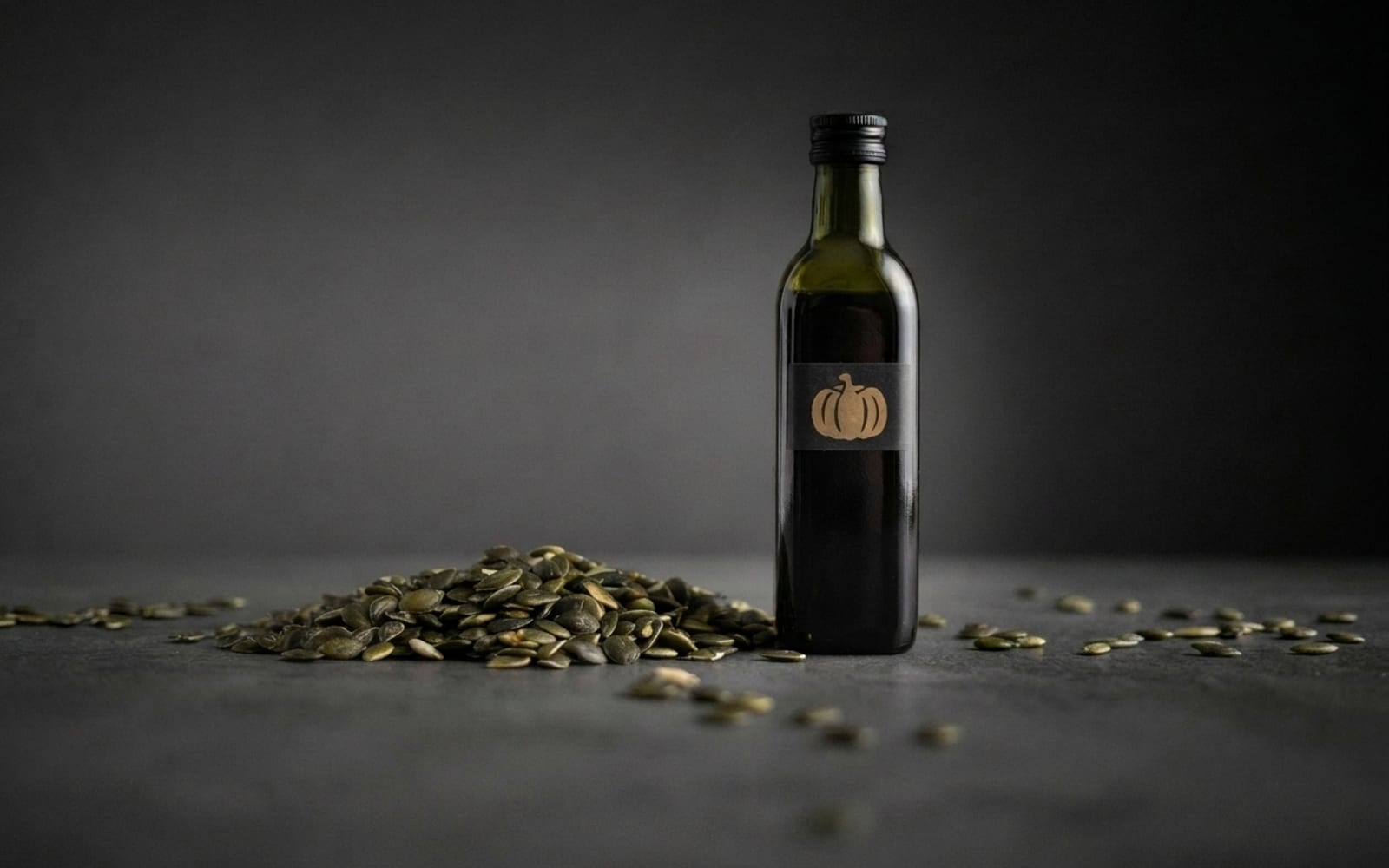
Oil pumpkins are grown exclusively for their kernels. Filling a single bottle takes a large amount of them — noticeably more agricultural effort per litre than crops with a high oil yield. That arithmetic alone lifts the price long before the press even starts. The full journey there: from seed to shop, Styrian PGI.
Roasting, Pressing, Protecting — Craft With Rules
At the mill, traditional producers roast the kernels so the aroma and colour can even develop — a step that takes time, experience, and a watchful eye. Dark glass and careful packaging then protect a delicate specialty. PGI rules further define where and how an oil must be made to carry the protected name: what does PGI mean?, quality.
Use Less, Taste More
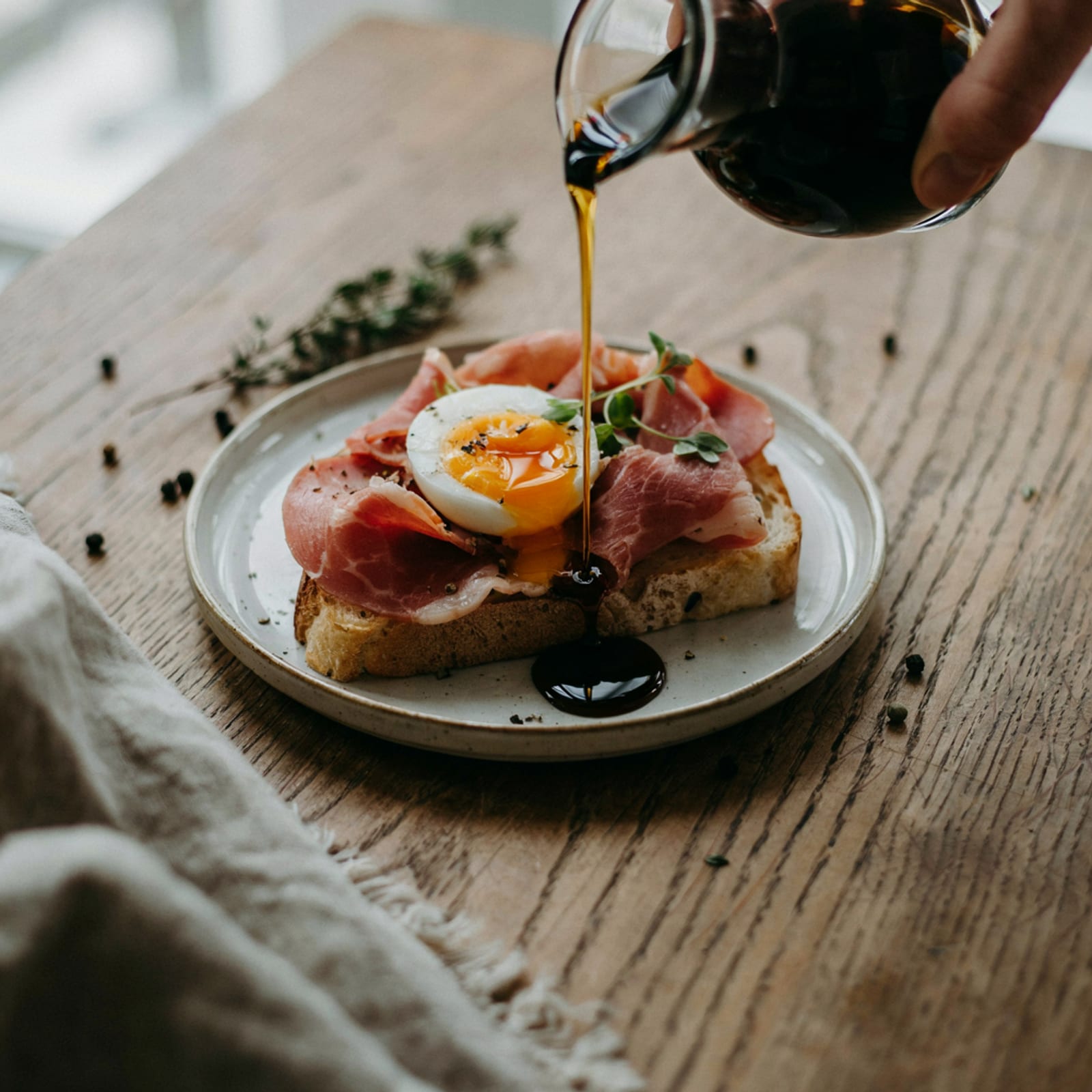
The most honest way to make the oil affordable: treat it as a finish, not a cooking fat. A teaspoon over salad, soup, or scrambled eggs is usually plenty — a cupful in the pan would be wasted anyway. The right amount is covered at how much per salad?, heat rules at can you cook with it? A small bottle used up while fresh beats any cheap litre that eventually turns rancid in the cupboard: fridge, expired?
Cheaper Exists Too — Read the Label
Blends and oils without PGI status often cost less and taste milder. That can be perfectly fine, as long as the label stays honest — it's simply a different product with a different promise. For comparison: blend or pure?, oil comparison.
When the Price Really Pays Off
It makes sense when the aroma keeps pleasantly surprising and a single teaspoon transforms the whole plate. If a bottle smells tired and flat instead, someone paid for a flavour that's already gone — time to replace it, not keep holding onto it. Shopping clarity: FAQ, where to buy.
The Price Per Teaspoon, Worked Out
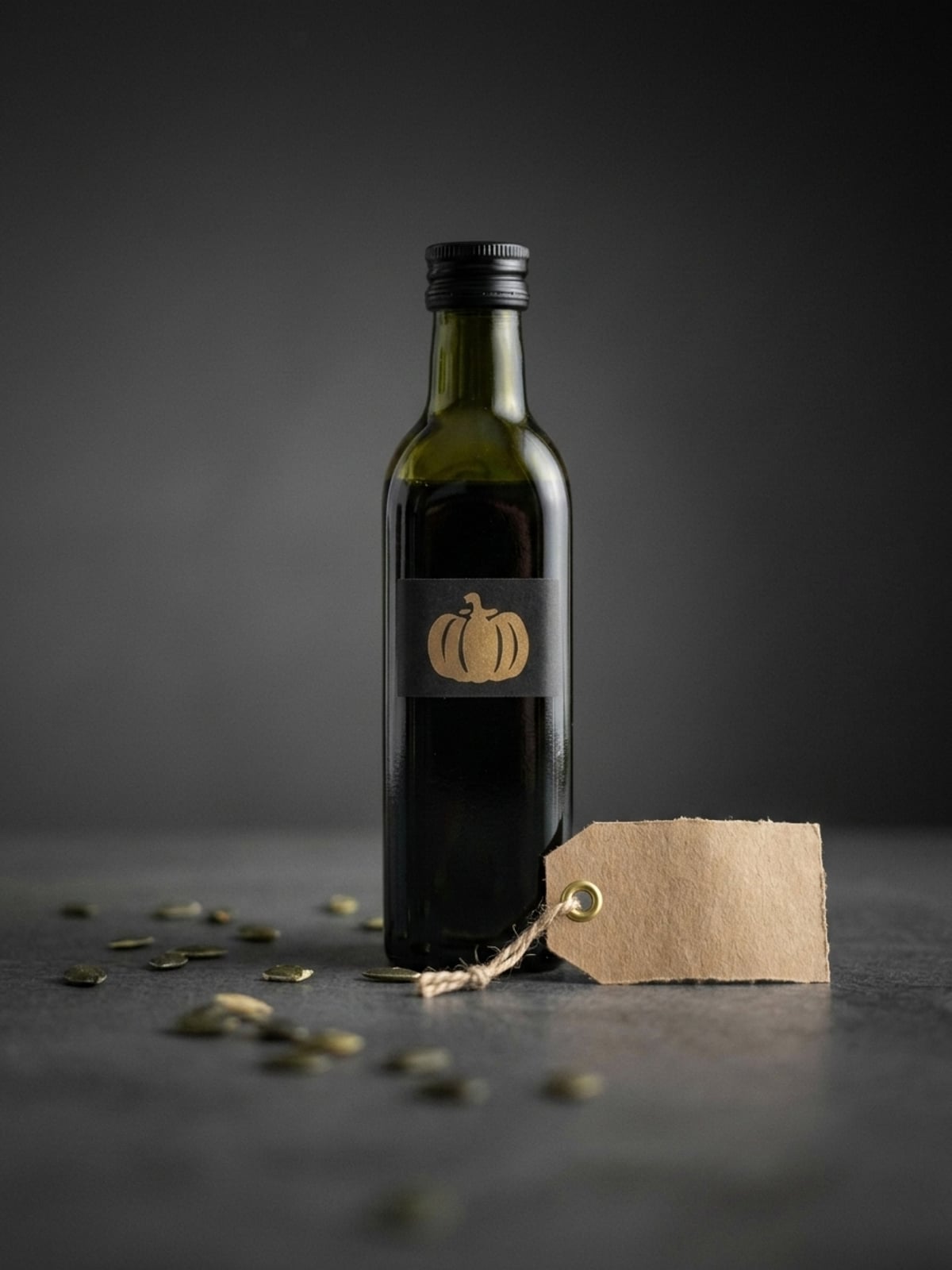
The price per litre looks high at first, but the price per finished salad or plate is usually surprisingly modest — because a teaspoon is enough, not a cupful. That's exactly what makes the fair comparison to a mass-produced fat, which nobody would drizzle purely for aroma in the first place.
Who the Craft Supports
Paying for genuine oil ultimately supports farmers and mills who keep roasting and pressing in the old tradition instead of chasing fast volume. That's a value alongside the culinary one — and it sits in every teaspoon that travels from the small dark bottle onto the plate. More at from seed to shop.
Buy Styrian pumpkin seed oil worth tasting
Shop now