The Styrian
Pumpkin Seed Oil Journal
The Styrian
Pumpkin Seed Oil Journal
- The Styrian Pumpkin Seed Oil Journal
Shop EN
pumpkinseedoil.ccShop DE
kuerbiskernoel.cc
About
This website also contains some content created with the support of AI.
How to Store Pumpkin Seed Oil
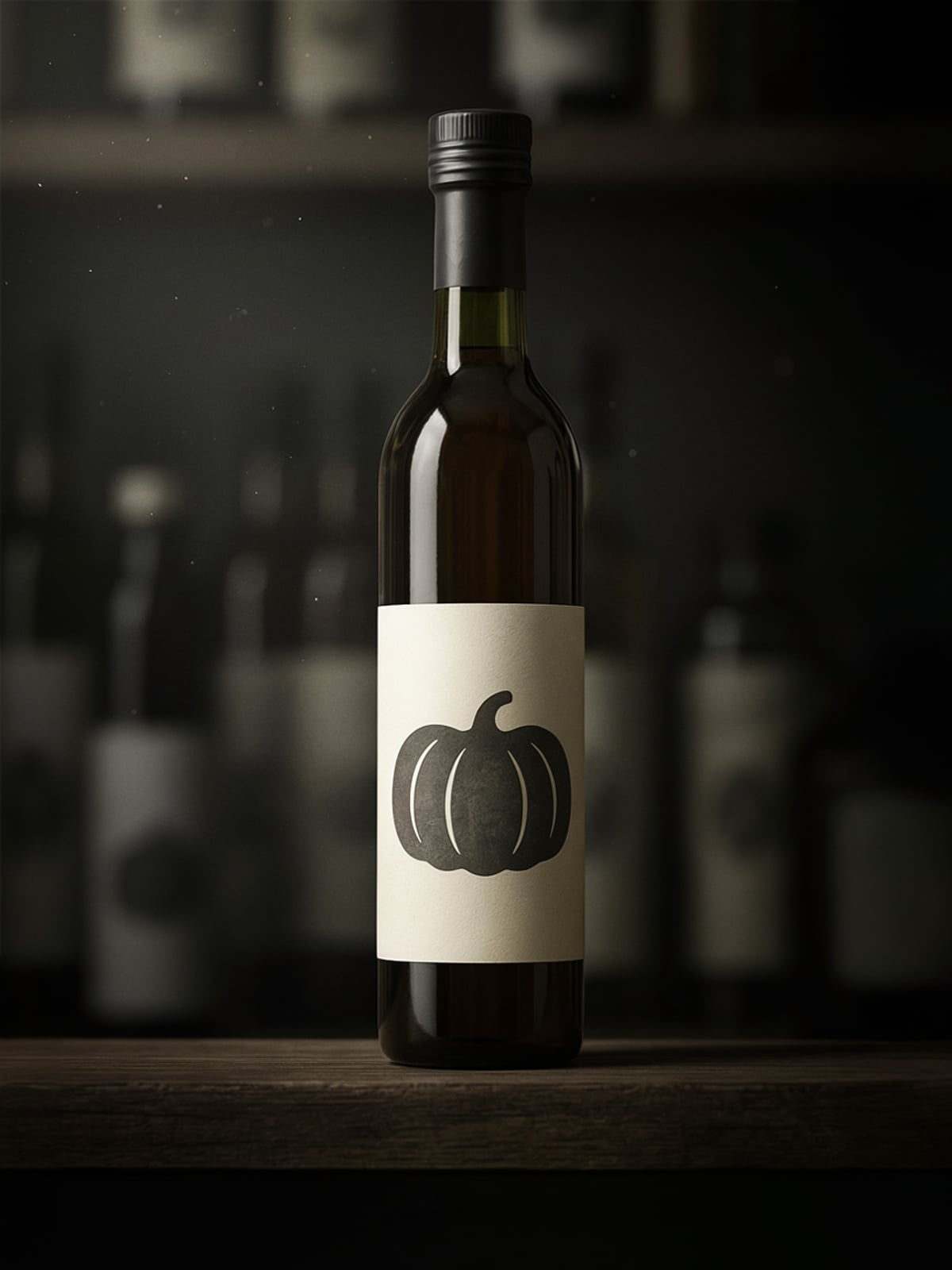
The bottle sits dark green or brown in the cupboard, almost unremarkable — and that's exactly its protection. Stored well, pumpkin seed oil keeps for a long time: unopened, it typically lasts twelve to twenty-four months, depending on the producer and bottling. Once opened, it tastes best in the first two to four months. After that it isn't suddenly spoiled, but the nutty depth slowly fades. Knowing this, it pays to buy a bottle size that matches how much you actually use.
Three things that damage the oil
Light, heat, and oxygen all speed up oxidation, each on its own and more so together. Direct sunlight attacks both the fatty acids and the aromatic compounds; heat speeds that process up further, which is why a cupboard right above the stove is a poor choice. Every time the bottle is opened, a little more oxygen gets in too — the cap should go back on firmly right after use.
The best spot in the kitchen
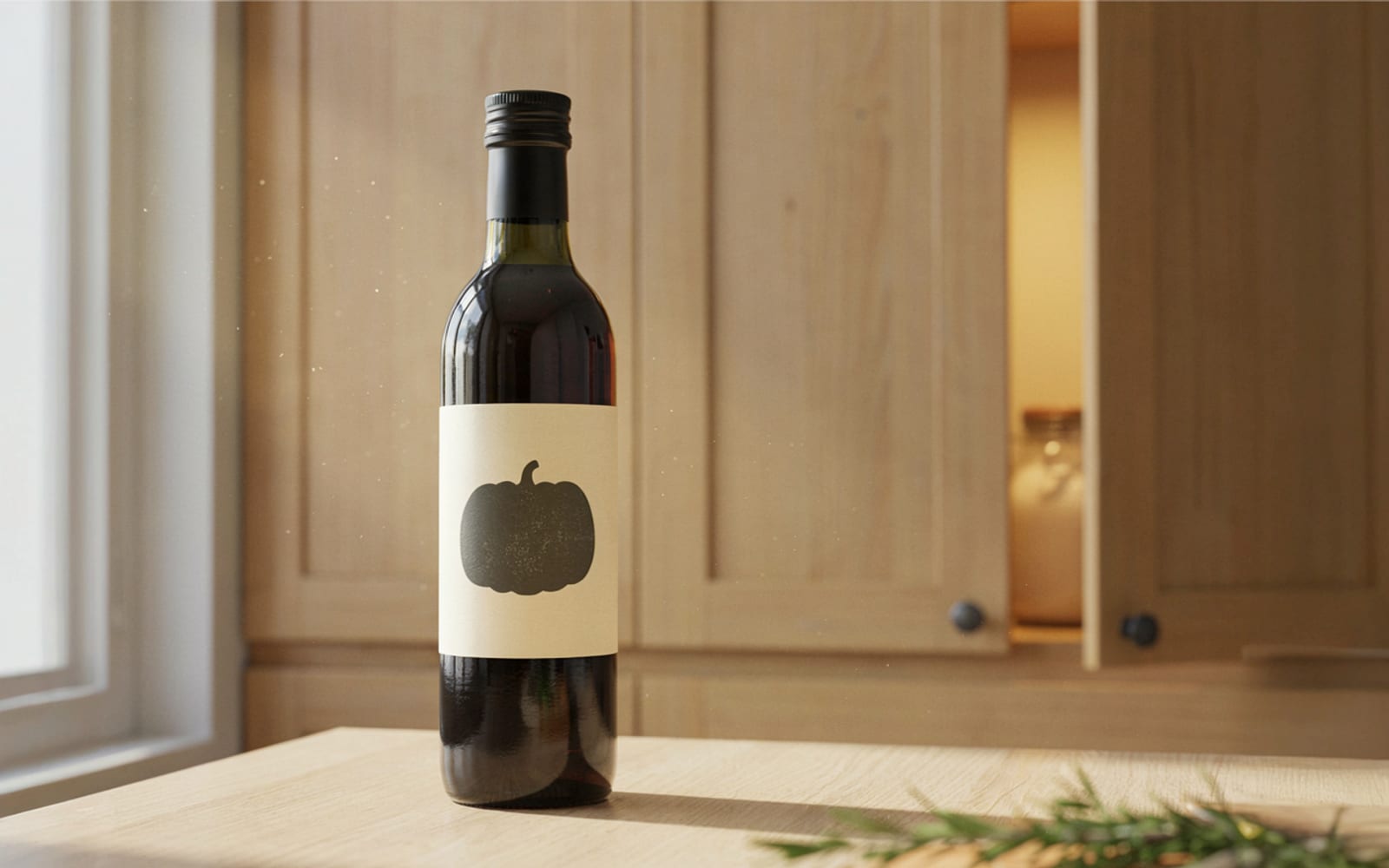
A dark kitchen cupboard or a pantry, kept well away from the stove and oven, is ideal. The temperature should stay even and below about 20 degrees Celsius. Under normal conditions, pumpkin seed oil doesn't need the fridge. If a bottle is used only rarely, though, refrigeration after opening is still worthwhile: the oil turns a little thicker or cloudy, which is harmless and disappears again at room temperature.
Why dark glass matters
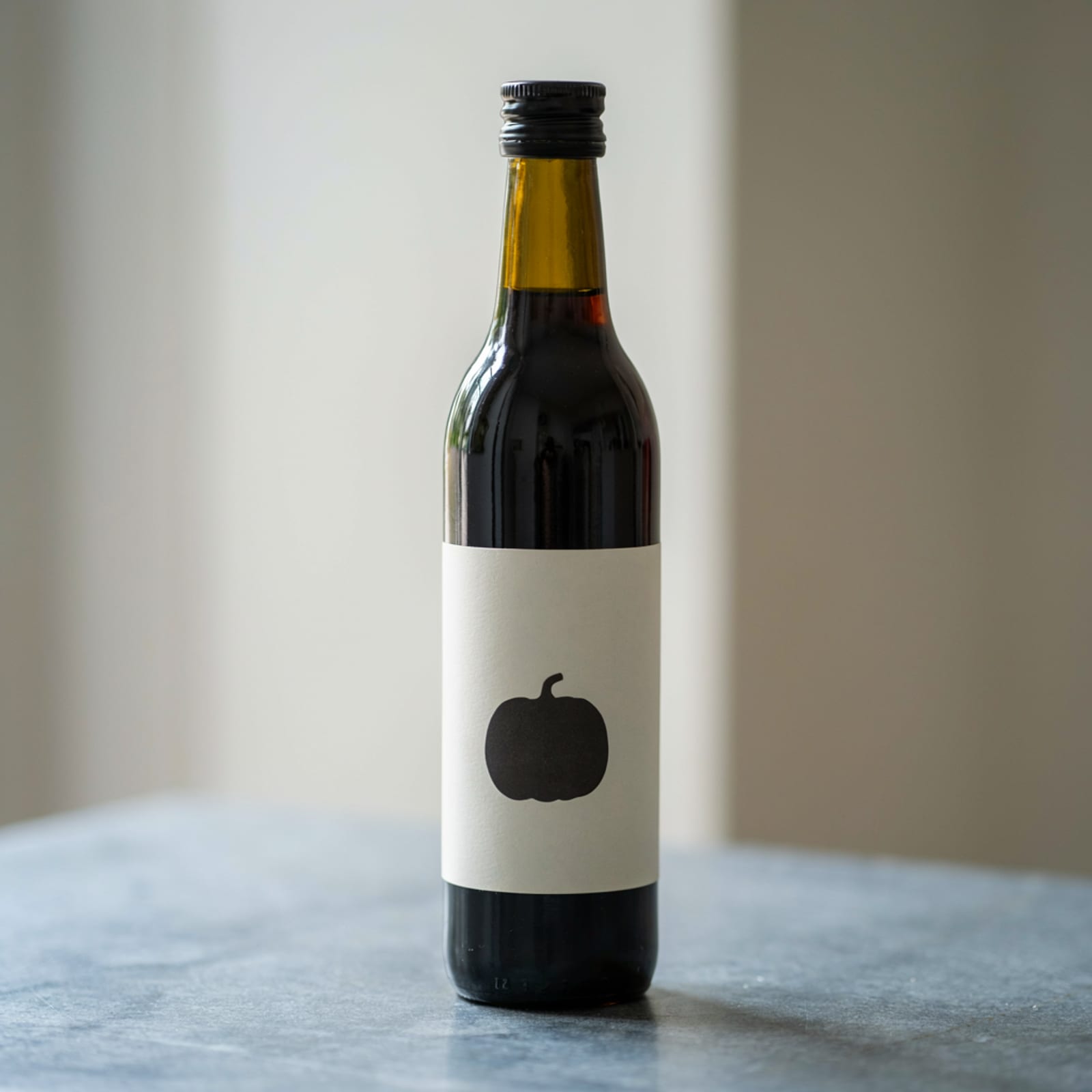
Good Styrian pumpkin seed oil is almost always sold in dark green or brown glass, and that's no mere styling choice. The glass blocks exactly the light wavelengths that age the oil fastest. A clear carafe should never hold the whole bottle. If you like to serve the oil at the table, pour just a small amount into something attractive and top it up regularly — the rest stays protected in the dark.
Checking after opening
A quick smell before use tells you a lot. Fresh pumpkin seed oil smells pleasantly roasted, nutty, and full. Aging oil loses those lively top notes first, while rancid oil smells sharp, bitter, or faintly like old paint, and tastes unpleasant on the finish. At that point it no longer belongs on the plate. A light sediment in cold-pressed oil, on the other hand, is completely normal and no sign of spoilage.
Fridge or freezer?
For bottles used rarely, the fridge is a good option. Take the oil out about twenty minutes before use and it flows freely again. A freezer, by contrast, brings little benefit: the oil turns waxy, thaws slowly, and gains almost nothing over simple fridge storage. What matters is not extreme cold anyway, but protection from light, heat, and long standing time.
Pouring cleanly
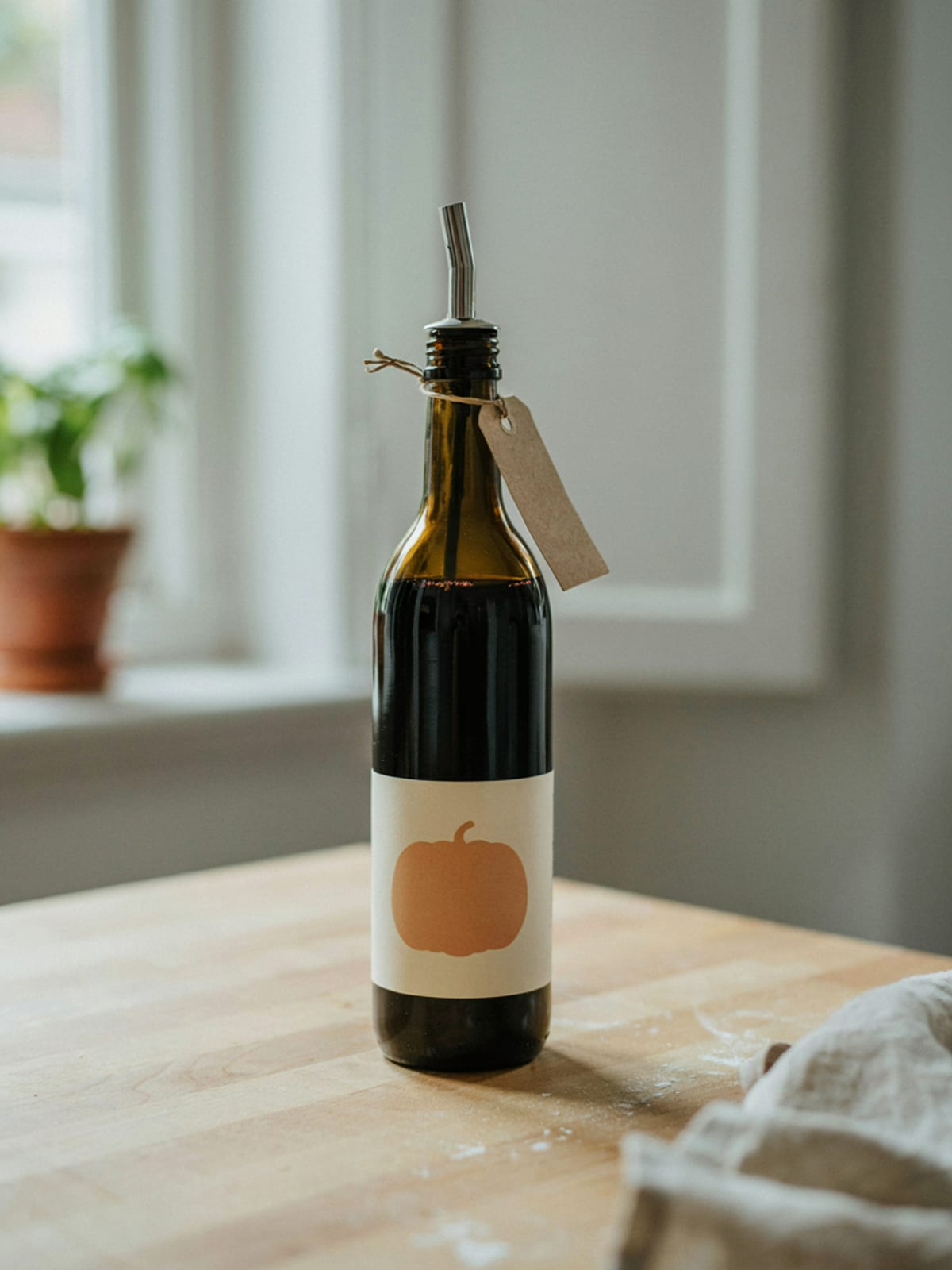
Drips on the bottle neck are best wiped away right after use. Oil residue there ages faster from air and light and can otherwise find its way back into the bottle at the next pour. A clean neck also closes more tightly. A pour spout should sit snugly and be cleaned regularly. And the bottle is best kept away from the table altogether while food is being served — pour what you need just before serving, not while you're still cooking.
When the season turns warm
In summer, the temperature in many kitchens climbs noticeably, and the usual cupboard is no longer automatically cool enough. A pantry in the hallway, a cellar, or even the fridge door can be the better choice for that stretch. Frequent temperature swings and direct sun should be avoided either way. A half-empty bottle is especially sensitive, since more air collects in the space above the oil — but with a cool spot, the aroma still lasts noticeably longer even in warm weeks.
The right bottle size
Freshness starts before the first pour: at the shop, look for undamaged dark glass, a clearly printed best-before date, and a tight-fitting cap — and then avoid leaving it for hours in a hot car or on a sunny windowsill. As for size, a 250 ml bottle suits a household using the oil once or twice a week, while 500 ml makes sense if salads, soups, or breakfast bowls get it more often. Stored upright with a clean pour spout, either size holds up to what it promises. Ideas for regular use are under muesli and yoghurt and in recipes with pumpkin seed oil.
Shop premium Styrian pumpkin seed oil
Shop now