The Styrian
Pumpkin Seed Oil Journal
The Styrian
Pumpkin Seed Oil Journal
- The Styrian Pumpkin Seed Oil Journal
Shop EN
pumpkinseedoil.ccShop DE
kuerbiskernoel.cc
About
This website also contains some content created with the support of AI.
Frequently Asked Questions
What makes Styrian pumpkin seed oil different from regular pumpkin seed oil?
Styrian pumpkin seed oil PGI is pressed from a specific hull-less cultivar (Cucurbita pepo var. styriaca) grown in a defined region of southern Austria and Slovenia. The seeds, their preparation, roasting, and pressing all follow rules tied to that designation. Oils sold under generic names elsewhere may use different pumpkin varieties, different methods, or seeds sourced outside the region. The flavour, aroma, and fatty acid profile differ accordingly.
Can I cook with pumpkin seed oil?
As a finishing oil, yes — and with great results. As a frying oil, no. The smoke point is low and the delicate aromatic compounds that make the oil special are destroyed by sustained heat. Use it cold or add it as the final touch to a hot dish just before serving.
How long does an open bottle keep?
Typically three to six months after opening when stored in a cool, dark place. The high proportion of polyunsaturated fatty acids makes the oil susceptible to oxidation. A rancid smell — sharp, paint-like — is the clearest signal that the oil is past its best. Some producers recommend refrigerating an opened bottle, though condensation can be an issue if the bottle is not well sealed.
Why is the oil so dark?
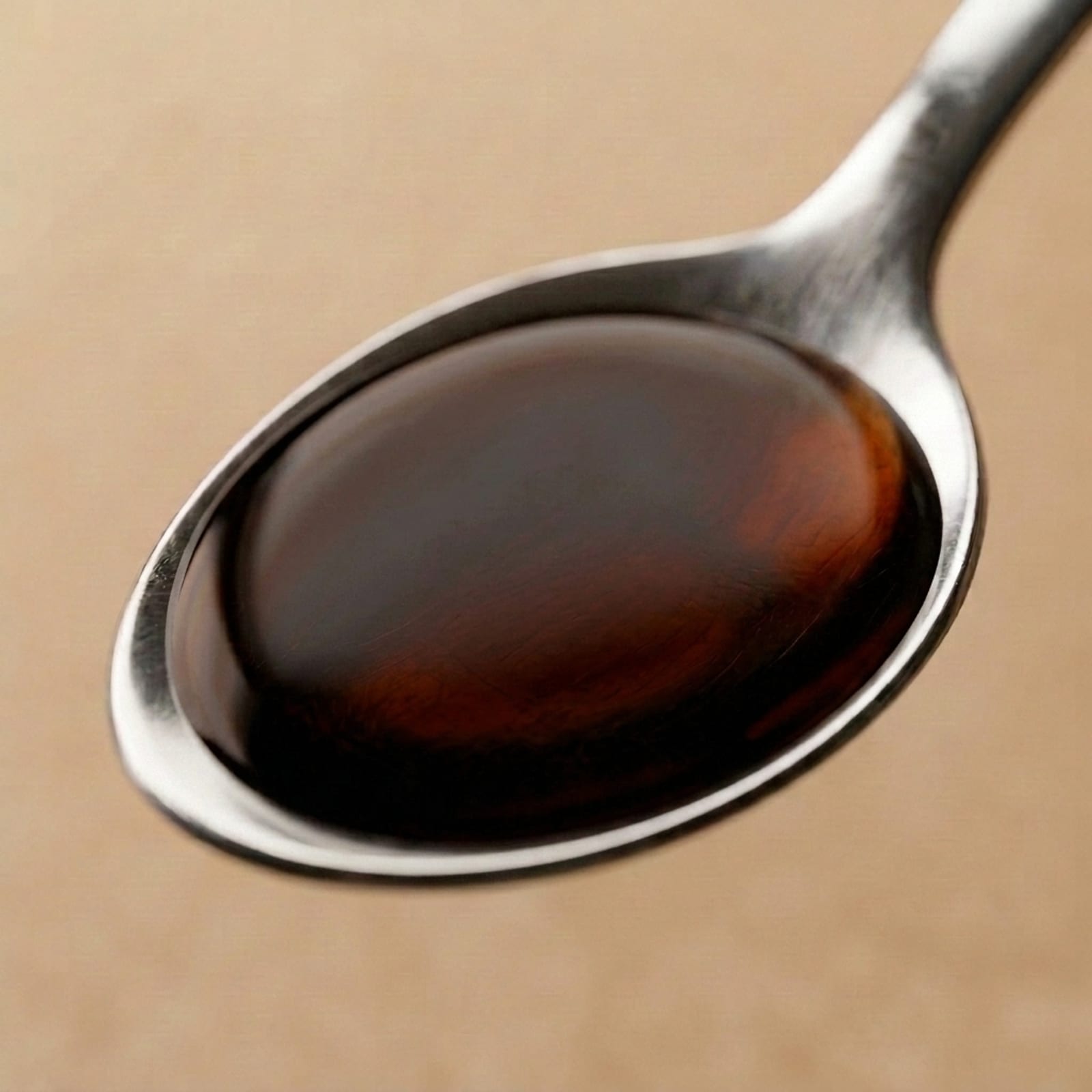
The colour — ranging from very deep green to almost black in the bottle, and appearing brick-red when held up to bright light — comes from a combination of chlorophyll, carotenoids, and the Maillard browning products formed during roasting. All three are natural to the seed and the process. An unusually pale or yellowish oil may indicate a different cultivar, lighter roasting, or dilution.
Is it expensive because it is a luxury product?
Partly, but mostly because it is genuinely labour-intensive to produce. Each litre requires roughly three to four kilograms of seeds. The seeds must be dried, ground, mixed with water and salt, roasted carefully, and then pressed. The yield per press is low compared with oils like sunflower. Authentic Styrian PGI oil at a realistic price point will cost significantly more than supermarket vegetable oils — that is a quality signal, not a marketing inflection.
Where is the best place to buy authentic oil?
Look for the EU PGI logo on the label, the regional quality seal, and the name of the mill or producer. Buying directly from a Styrian producer or from a specialist retailer reduces the risk of encountering diluted or mislabelled products. See our guide on where to buy authentic oil. The shop at pumpkinseedoil.cc sells authenticated Styrian PGI oil with full traceability.
Is it safe for people with nut or seed allergies?
Pumpkin seeds are not classified as one of the major allergens under EU or US labelling law, but individual sensitivity can occur. Anyone with a known seed allergy or broad food allergy history should consult a doctor before using the oil regularly or in larger quantities.
Taste authentic Styrian pumpkin seed oil
Shop now