The Styrian
Pumpkin Seed Oil Journal
The Styrian
Pumpkin Seed Oil Journal
- The Styrian Pumpkin Seed Oil Journal
Shop EN
pumpkinseedoil.ccShop DE
kuerbiskernoel.cc
About
This website also contains some content created with the support of AI.
First Taste Why People Remember It
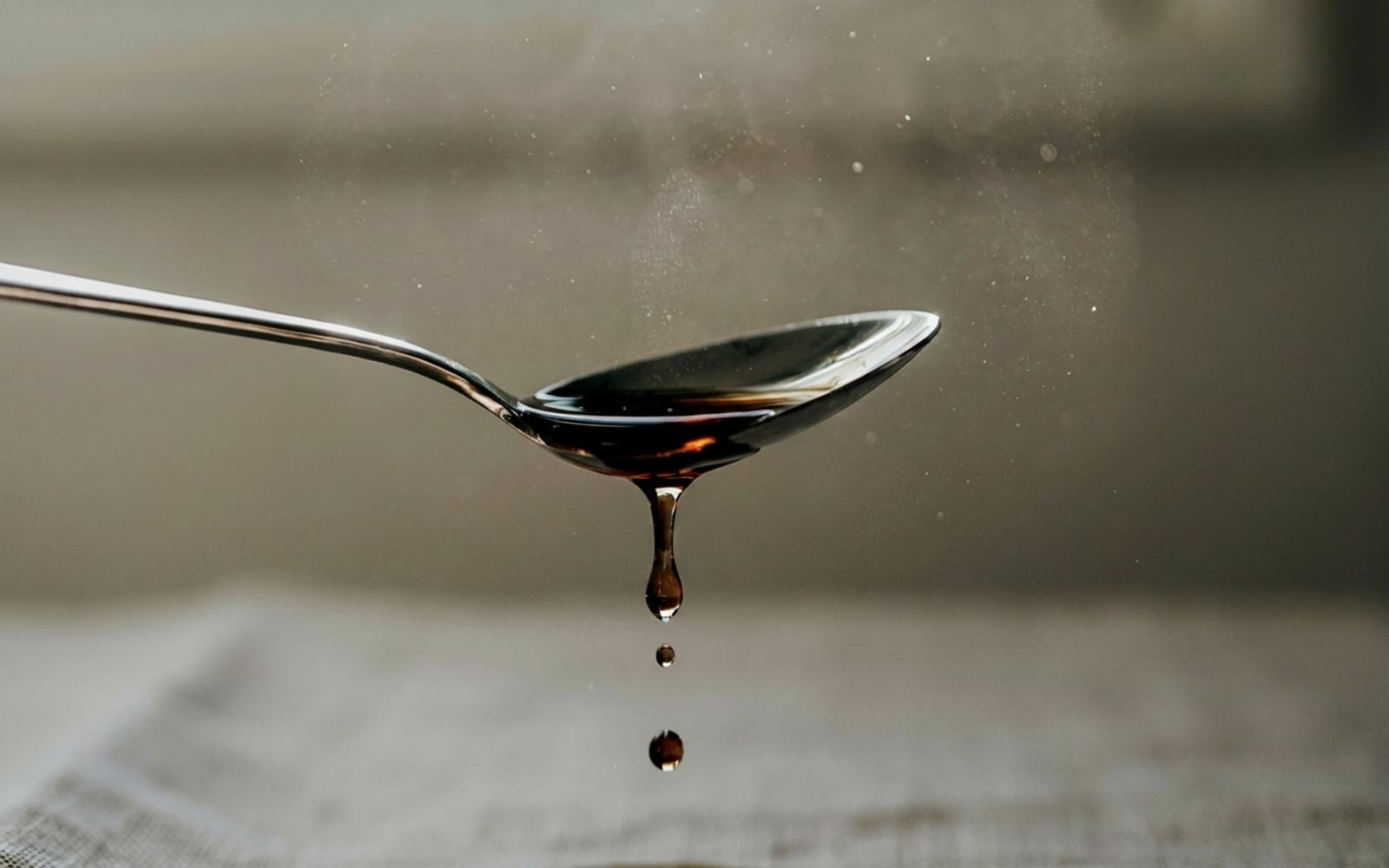
Usually the place comes first: a farmhouse lunch, a market stall, a city restaurant that finished the soup properly. Then comes the taste itself — concentrated, roasted seed, deep nuttiness, a pleasant bitterness. And almost at the same moment, the colour drama: what was dark in the bottle suddenly turns green on the plate. The memory holds because several senses fire in the same instant.
The Opening on the Tongue
Fresh oil smells louder than any pale supermarket fat. On the tongue it is rich without feeling blandly greasy — the roast leads the whole way through. Anyone expecting "pumpkin pie" will be surprised: this is seed and fire, not dessert spice. If a bottle has gone tired, the memory turns sour for a different reason: Rancid Smell. Freshness care: Storage.
The Best First Stage
A thin drizzle over something mild — yoghurt, potato, tomato, warm soup straight off the heat — teaches faster than a spoonful eaten neat. Tasted alone, the oil can overwhelm and get written off unfairly. Amounts that stay kind: How Much per Salad?. Plate ideas: Cold Plates, Pairings, Table Culture.
The Eyes Join the Story

Black in the bottle, green on the plate — the pour tells part of the story before the spoon even reaches your mouth. That visual reveal is partly why first tastes stick so well: Bottle and Pour, Why So Dark?.
When the First Impression Misleads
A rancid bottle, a hot frying pan, or a tablespoon dumped straight onto salad can create a "never again" that the oil never actually deserved. A restart almost always works with a fresh PGI bottle, a mild base, and a single teaspoon. Cooking rules: Can You Cook with It?. Why the oil is worth its price tends to become clear anyway, once a first pour has gone well: Why So Expensive?.
Offering It to Someone New
Choose a mild base, pour where the green will be visible, and say as little as possible — let the aroma do the work. If they like it, a mention of authentic bottles and simple kitchen habits is enough: Kitchen, From Seed to Shop. Anyone needing a gentler entry can start with a light blend, as long as the label stays honest: Blend or Pure?.
The Words That Follow the Taste

After the first spoonful, the same words tend to come up: "nutty," "toasty," "green," "intense." Those words help later, once labels start multiplying on a shelf. Names in other languages: Names Around the World. Glossary help: Glossary.
Repeating the Moment
Memory fades once the bottle disappears unused into a cupboard. Repeat the good first plate within a week, and a striking moment turns into a kitchen habit — exactly what Styrian tables do without ever calling it a ceremony. Back to the start: Journal.
Order PGI Styrian oil for your pantry
Shop now