The Styrian
Pumpkin Seed Oil Journal
The Styrian
Pumpkin Seed Oil Journal
- The Styrian Pumpkin Seed Oil Journal
Shop EN
pumpkinseedoil.ccShop DE
kuerbiskernoel.cc
About
This website also contains some content created with the support of AI.
Pumpkin Seed Oil on Soup
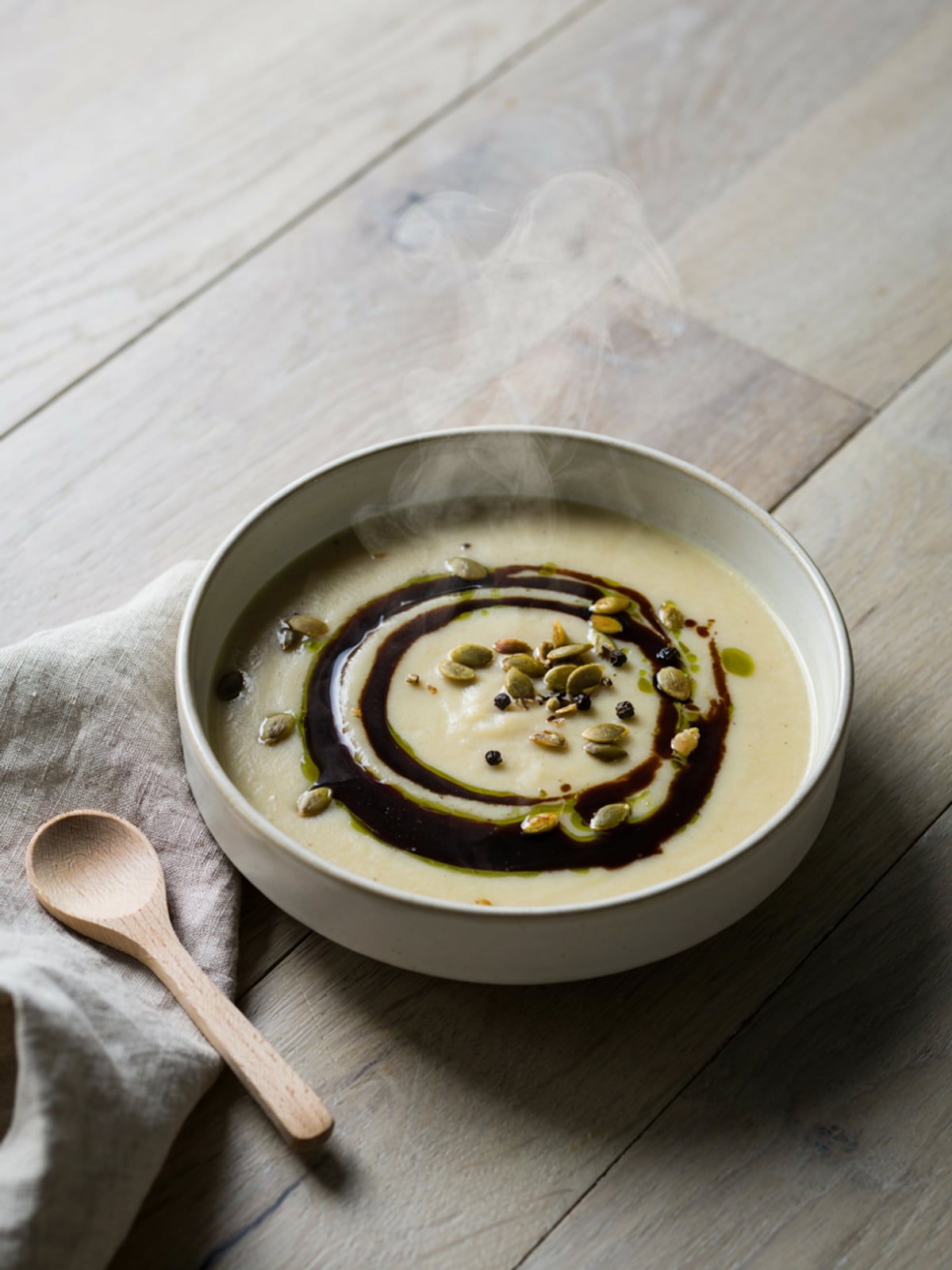
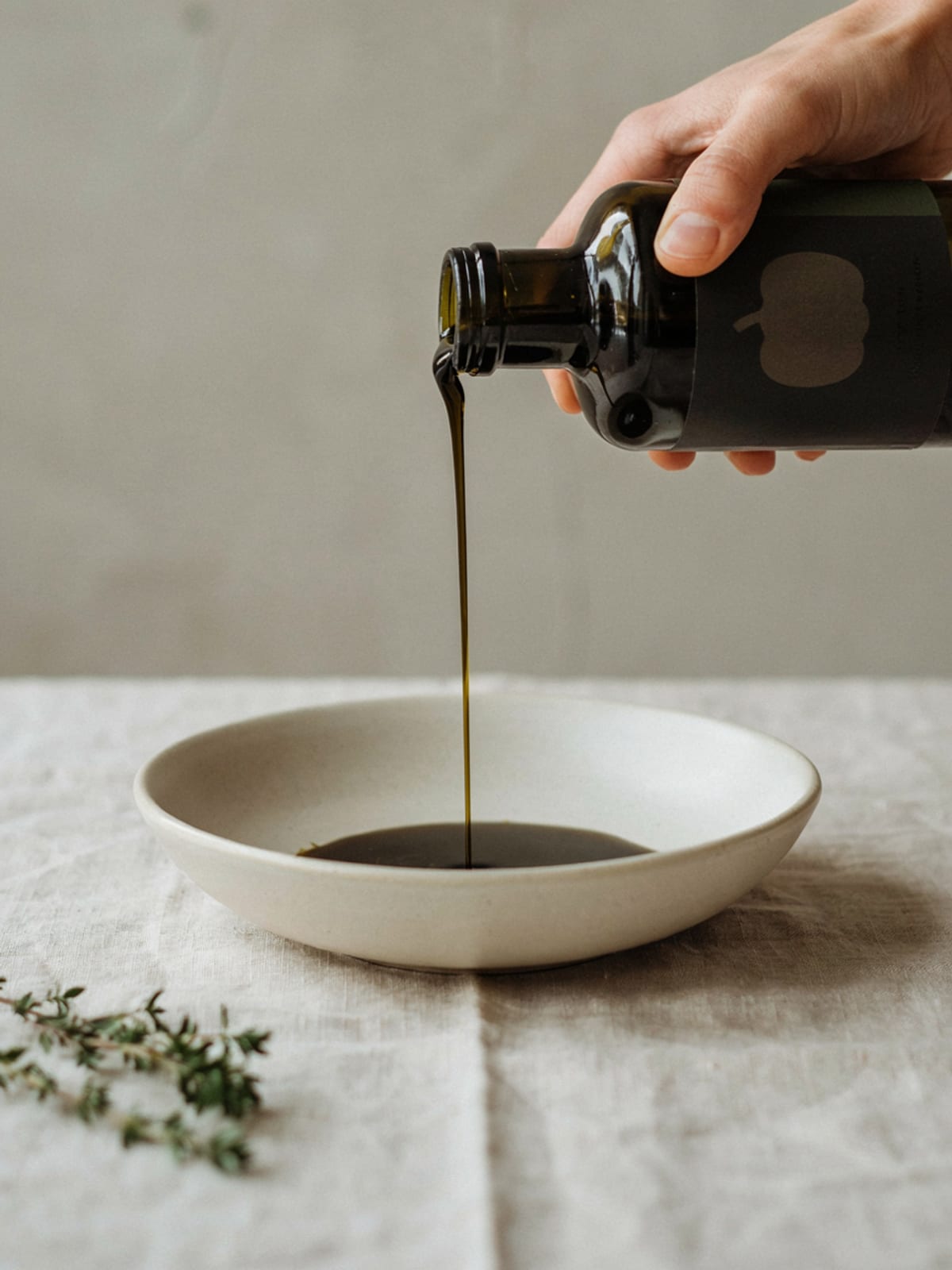
The soup is already in the bowl, still hot enough that steam keeps rising. Only now does the dark bottle come out: a short pour, and the smell of roasted pumpkin mixes into the warmth drifting up from the bowl. In Austrian kitchens, this small gesture toward the dark bottle has long been second nature, though the idea works well beyond pumpkin or potato soup. The one thing that really matters here is timing — the oil belongs on the plate, not in the pot.
Why Timing Decides Everything
Pumpkin seed oil is a finishing oil, not a cooking oil. Add it to the soup while it is still cooking, and it loses its aroma quickly, while its delicate polyunsaturated fats begin to change under sustained heat — which is exactly why heating pumpkin seed oil is best avoided altogether. Instead, add the oil right at the end, just before the soup is served, while it is still hot but no longer simmering. The residual warmth of the bowl is more than enough to release the aroma without destroying it.
Which Soups Benefit Most
Not every soup needs this drizzle equally badly. The ones that benefit most are the milder, more restrained soups that leave the oil room instead of drowning it out. Bolder, heavily spiced soups get along fine without it, though even there, a small pour just before serving can add a pleasant extra note.
Creamy Soups with Earthy Sweetness
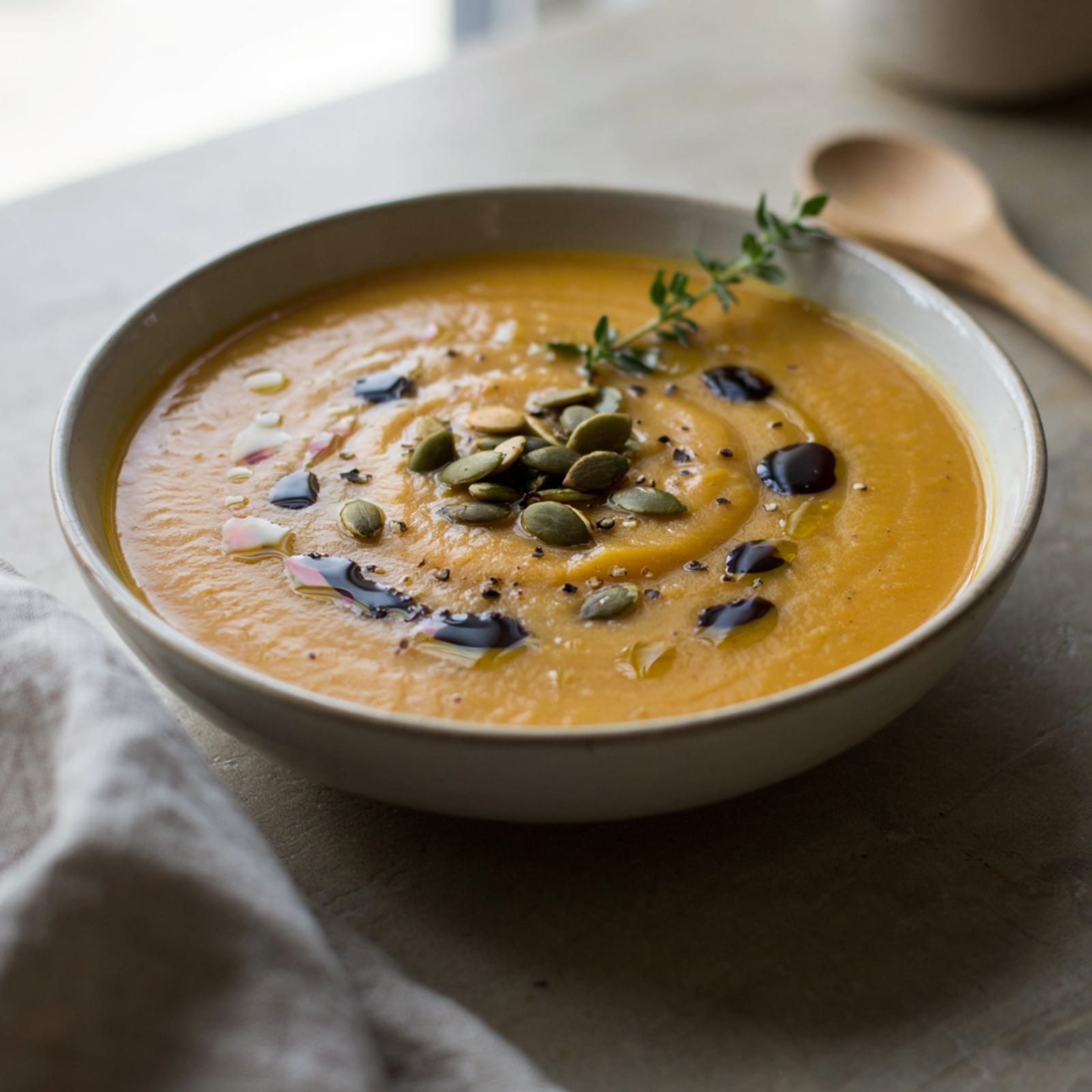
Creamy, vegetable-based soups are the most natural partner. Pumpkin, potato, carrot or sweet potato all take readily to the oil's nutty character without a stronger flavour crowding it out. With pumpkin soup especially, something almost circular happens: the same fruit the oil was once pressed from meets its own oil again — only this time in liquid, creamy form.
Clear Broths and Quiet Lentils
Clear broths and lentil or bean soups benefit too, precisely because they tend to be more simply seasoned and let the oil's flavour come through clearly. Here, even less is often needed than in the creamy versions — a thin thread is enough to add another layer without taking away the soup's own clarity.
The Amount That Is Just Right
Half to a full teaspoon per serving is usually all it takes. Pumpkin seed oil is intense enough that a generous pour will dominate the soup instead of simply rounding it out. Drizzle it in a thin spiral across the surface and let it sit rather than stirring it straight in — that way a visible, contrasting line stays behind, releasing fresh aroma with every spoonful.
One Reach for the Bottle, Just Before Serving
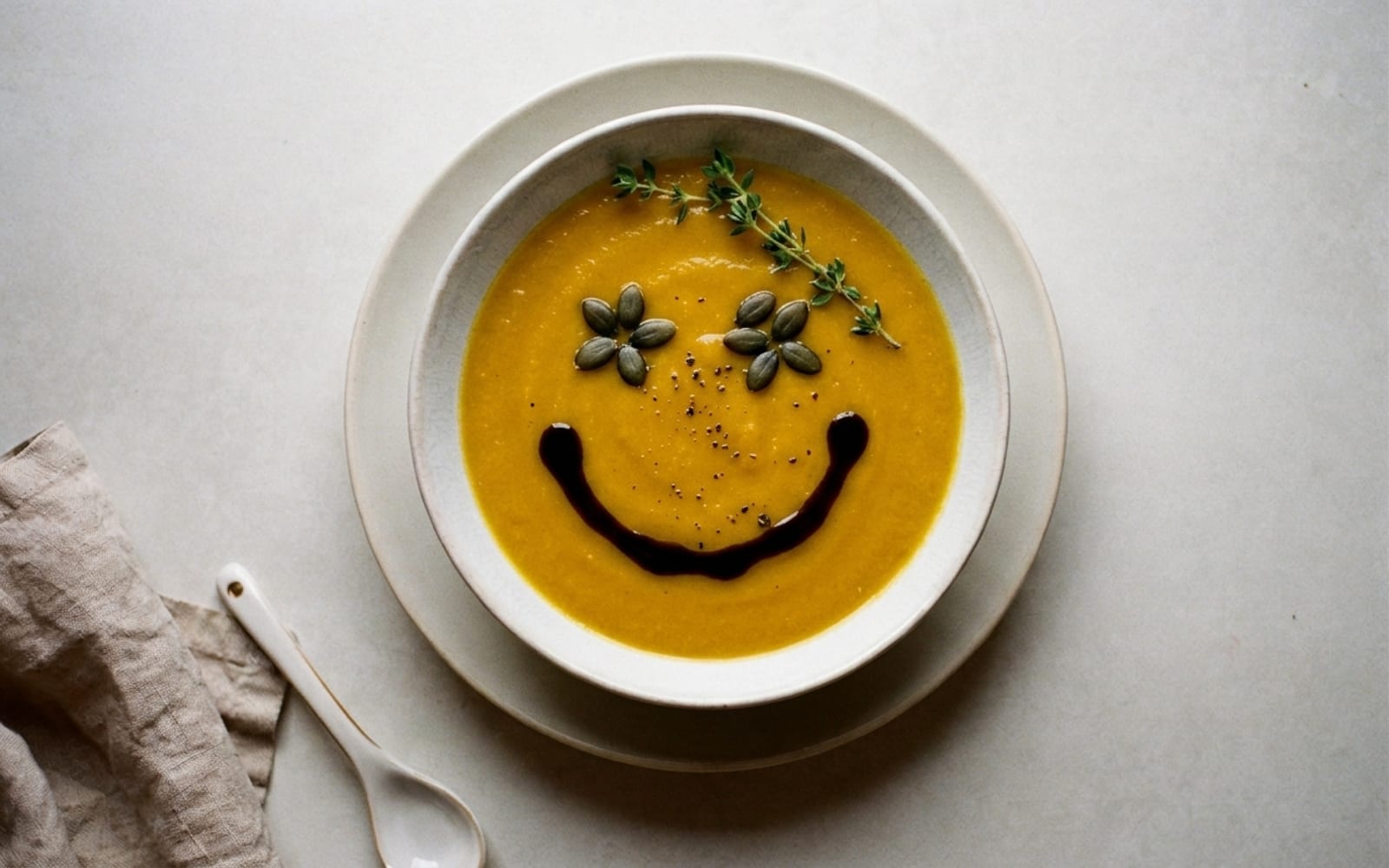
This last small gesture, right before the first spoonful, is what makes the difference — not the amount, not the recipe, just the timing. Toasted, finely chopped pumpkin seeds add exactly the texture the oil alone cannot, and scatter easily alongside it over the soup. A spoon of sour cream or crème fraîche next to it brings a creamy counterpoint, while fresh herbs like chive or parsley round the picture off. None of these additions are strictly necessary — the oil carries the dish on its own — but they show how flexible the same basic idea can be.
Beyond the Soup Bowl
Once this small trick sits — oil at the end, never during cooking — the same approach carries over to plenty of other warm dishes: steamed vegetables, mashed potato, sautéed cabbage. More everyday ideas are gathered under pumpkin seed oil in the kitchen, and a full recipe using this exact technique lives under recipes with pumpkin seed oil. A good bowl of soup remains one of the simplest ways to enjoy real Styrian pumpkin seed oil on an entirely ordinary evening — no special occasion needed, just a hot bowl and a good spoon of oil in the cupboard.
Buy Styrian oil for dressings and drizzle
Shop now