The Styrian
Pumpkin Seed Oil Journal
The Styrian
Pumpkin Seed Oil Journal
- The Styrian Pumpkin Seed Oil Journal
Shop EN
pumpkinseedoil.ccShop DE
kuerbiskernoel.cc
About
This website also contains some content created with the support of AI.
Types of Pumpkin Seed Oil
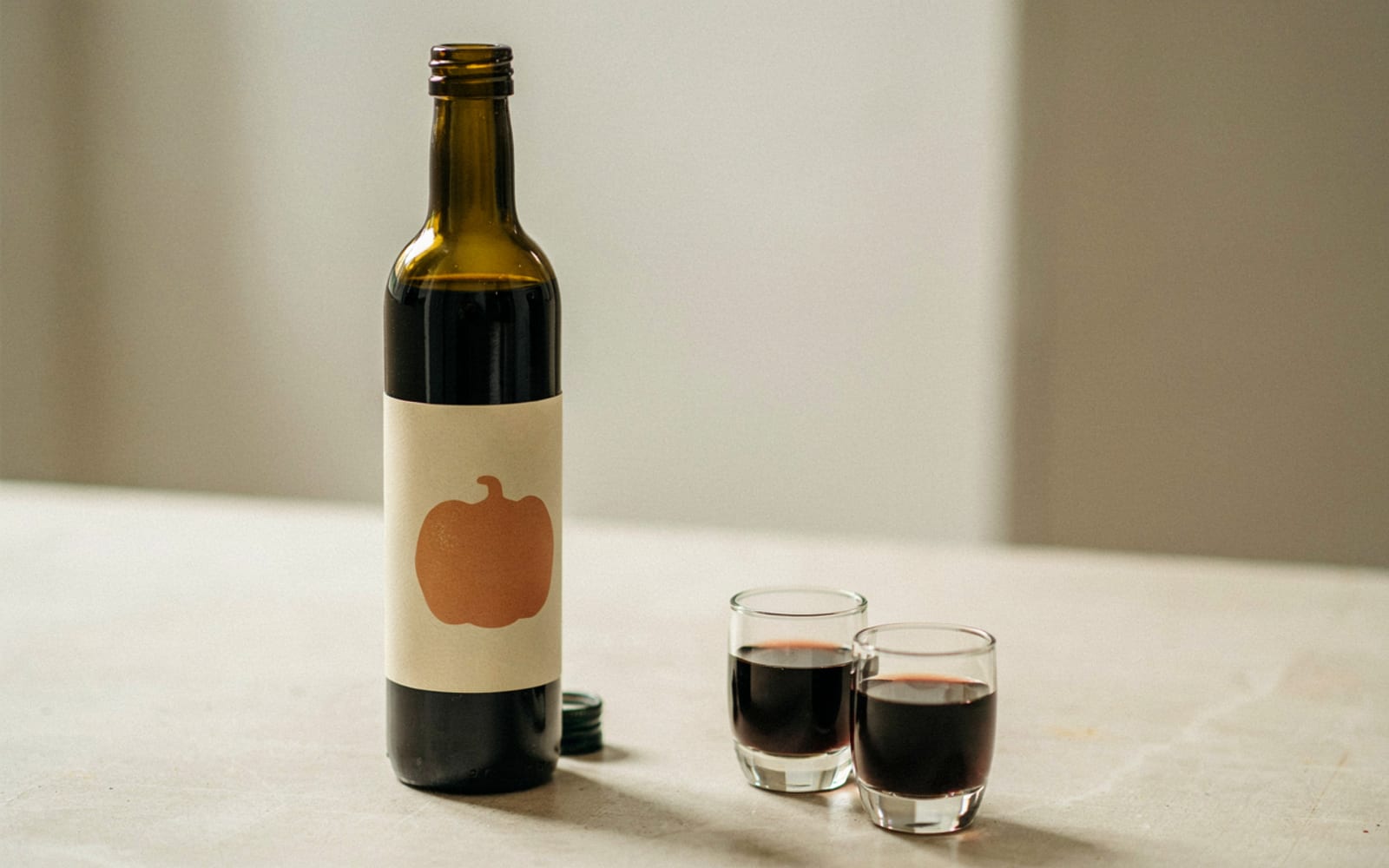
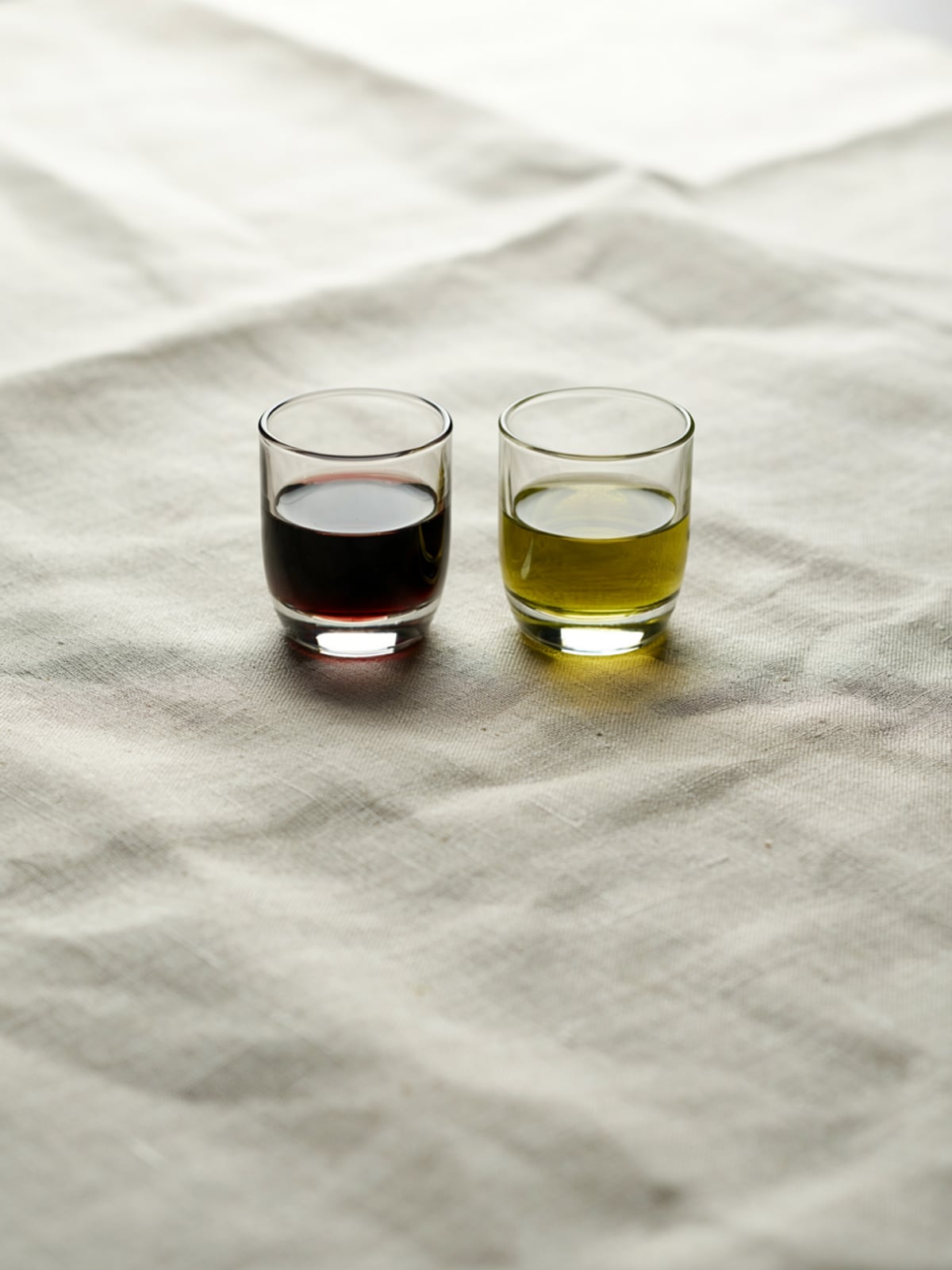
Two bottles stand side by side on a shelf. Both show pumpkins on the label, both carry the same name in large letters. The price, though, is clearly different — that much is obvious right away. What actually explains that gap is written on every one of those bottles. You just need to know where to look.
Roasted Oil — Tradition From the Copper Kettle
The story starts with one specific cultivar: Cucurbita pepo var. styriaca, the hull-less seed of the Styrian fields. After harvest, the seeds are carefully dried and ground fine. Then comes the decisive step: mixed with a little water and salt, the seed paste turns slowly in the kettle — under constant movement, under controlled heat. The smell that fills the room during this stage is hard to mistake for anything else. Warm, nutty, deep. Walnut meets sesame, and underneath both sits something that resists an easy name.
Only after roasting does the paste move to the press. The oil then rests in holding vessels while sediment settles out — and only afterward gets bottled into dark glass. What results is the intense, dark oil most people picture when they think of Styrian pumpkin seed oil. A single spoonful changes an entire dish.
The PGI Seal — What It Promises
Anyone reading "Styrian Pumpkin Seed Oil PGI" on a label is not buying an anonymous product. The letters stand for "protected geographical indication" — an EU-wide quality signal confirming that variety, growing region, and production method were all checked and followed. The seeds came from Styria; the processing followed the traditional roasting route.
No amount of elaborate packaging replaces that mark. The PGI is the one legally anchored proof of Styrian origin — and no pumpkin graphic on the front changes that.
What the Colour Reveals
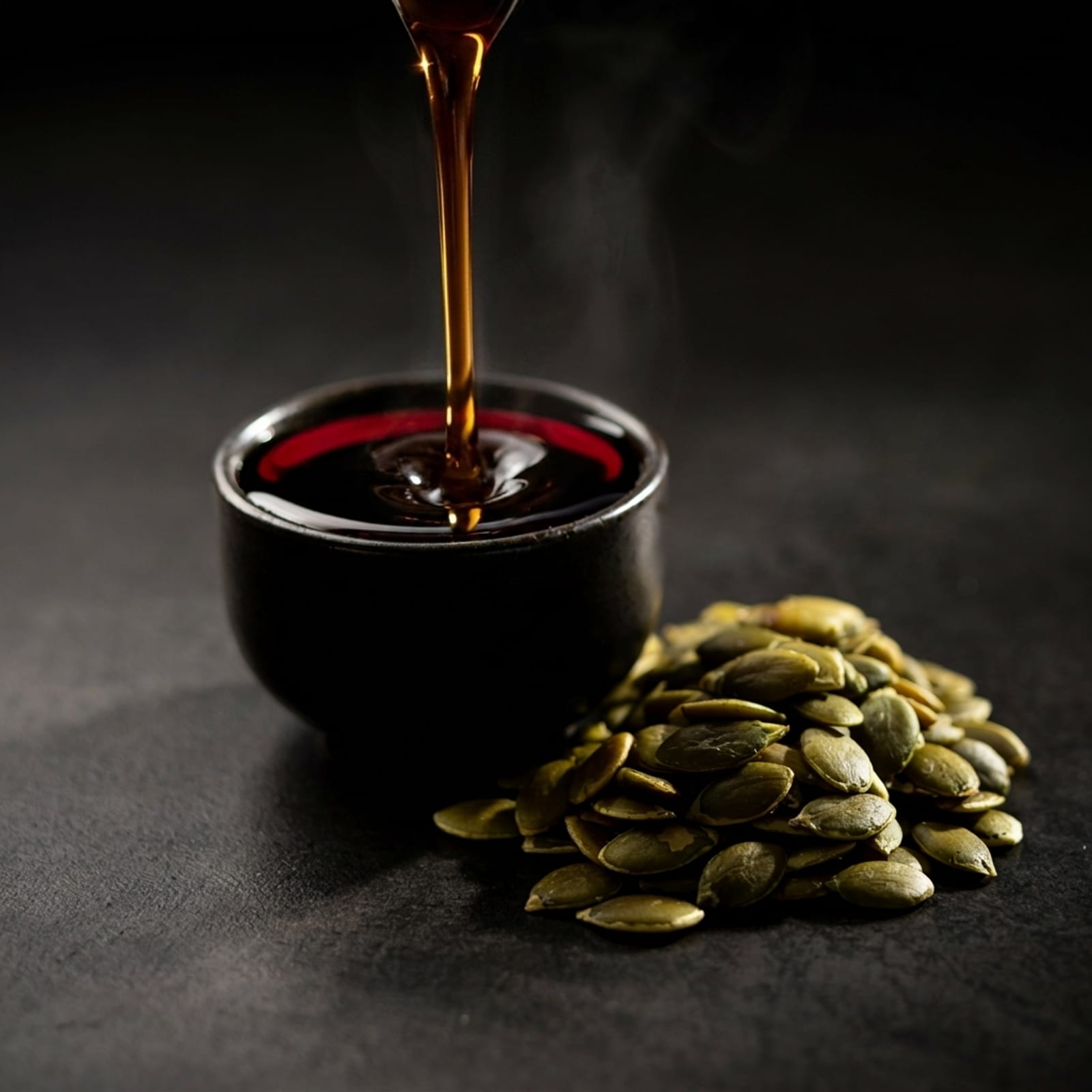
Fresh, dried seeds are grey-green and nearly odourless. Roasting changes that completely. Natural pigments — chlorophyll and carotenoids — combine with the new roasted aromas forming in the pan. The oil darkens, deepens, fills out. In the bottle it absorbs almost all the light and looks nearly black. Held against a bright source, deep ruby shows through, with amber glowing at the edges.
None of that colour is accidental. It is the visible record of everything that happened between the raw seed and the finished oil. Cold-pressed oil from the same seeds — without the roasting step — stays clearer and greener. Anyone who knows the colour can tell the styles apart before reading a single word.
Cold-Pressed — Same Seed, Different Character
Cold-pressed oil skips roasting entirely. Dried seeds go straight under the press at low temperature. What comes out is lighter, greener, fresher in aroma — more restrained than roasted oil, though no less refined. Instead of deep roasted notes, a grassy, seed-forward character steps to the front.
Cold-pressed describes a style, not a quality ranking. For lighter dishes, where intense roasted flavour would dominate too much, this style fits well. Anyone chasing the classic Styrian character reaches for the roasted version instead. A direct comparison sits under cold-pressed vs roasted.
Oil From Other Fields — and What That Means
Hull-less pumpkin seeds now grow outside Austria too. Hungary, China, Ukraine, and other parts of south-eastern Europe cultivate the same cultivar. Oil pressed from those seeds can be careful, quality work in its own right. What it is not is oil carrying the Styrian PGI — because that seal comes with fixed regional conditions that only Styria can meet.
Soil, climate, and decades of accumulated experience shape colour and aroma. A lighter oil from elsewhere can suit a light dish well. It does not necessarily reach the roasted depth of the classic Styrian original. Organic describes how the crop was grown; PGI describes where it came from — neither replaces the other, and both can appear on the same label.
When Pure Oil Becomes a Blend
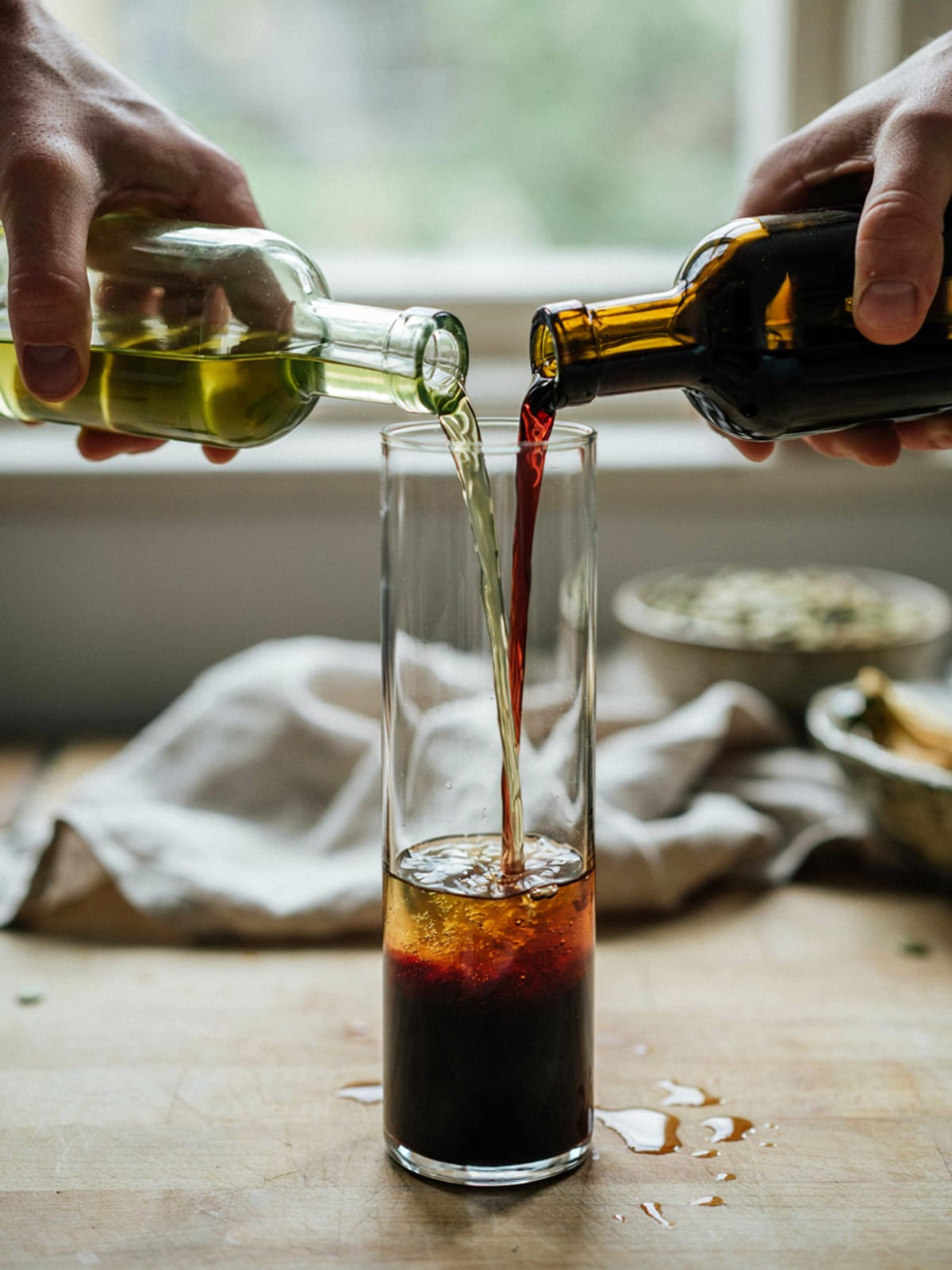
Some products on the market stretch pumpkin seed oil with sunflower or rapeseed oil. That lowers the price, softens the aroma — and turns a single-variety oil into a blended one. The front label often still shows pumpkin imagery and the familiar name in large letters. The real answer sits in the ingredient list on the back.
Pure pumpkin seed oil lists exactly one ingredient: pumpkin seed oil. A blend lists every oil used, in order of proportion. Anyone who knows this once is no longer fooled by an attractive label.
Three Questions Worth Asking
Does the ingredient list show only pumpkin seed oil? Does the label carry the PGI seal for Styrian origin? And if organic growing matters to you — is the organic seal there too? These three questions take seconds to answer and replace any longer comparison.
The fastest way to learn the difference is by tasting: a small spoonful of pure Styrian oil, on its own. Anyone who has had that roasted flavour once picks the right bottle off the shelf faster — and with more confidence — afterward.
Shop pure Styrian pumpkin seed oil PGI
Shop now