The Styrian
Pumpkin Seed Oil Journal
The Styrian
Pumpkin Seed Oil Journal
- The Styrian Pumpkin Seed Oil Journal
Shop EN
pumpkinseedoil.ccShop DE
kuerbiskernoel.cc
About
This website also contains some content created with the support of AI.
Pumpkin Seed Oil and Heartburn: Why a Rich Oil Can Backfire
Health notice: This page discusses topics related to health research and tradition. It is not medical advice. Do not use it to diagnose, treat, cure, or prevent any disease. Talk to a qualified healthcare professional before changing your diet or supplements.

Some people come to pumpkin seed oil hoping it will help a digestive issue; others arrive here because it has made heartburn worse, and they want to know why. Both reactions are understandable, and the honest answer sits closer to the second: pumpkin seed oil is a rich, fatty food, and fatty foods are a well-known, common trigger for reflux symptoms in people who are prone to them. This is not a flaw specific to this oil — it is simply how digestion and the oesophageal sphincter tend to respond to fat.
Two Different Reasons People Land Here
People tend to arrive at this topic from two different directions: some hoped a natural oil might soothe an already sensitive stomach and were surprised when it did the opposite, while others simply noticed heartburn after a rich meal that happened to include a generous pour of this oil and want to know if it was the cause. Both are reasonable starting points, and the honest mechanism below applies whichever one brought you here.
Why Fat and Reflux Are Connected
The valve between the stomach and the oesophagus, the lower oesophageal sphincter, is known to relax more in response to high-fat meals, which makes it easier for stomach acid to travel upward and cause the burning sensation of heartburn. Fatty foods also slow stomach emptying, meaning food — and acid — sits in the stomach longer. Pumpkin seed oil, being essentially pure fat, can contribute to this effect in the same way that other rich oils, cream sauces, or fried food might, particularly if used generously or on an already sensitive stomach.
Is This Specific to Pumpkin Seed Oil?
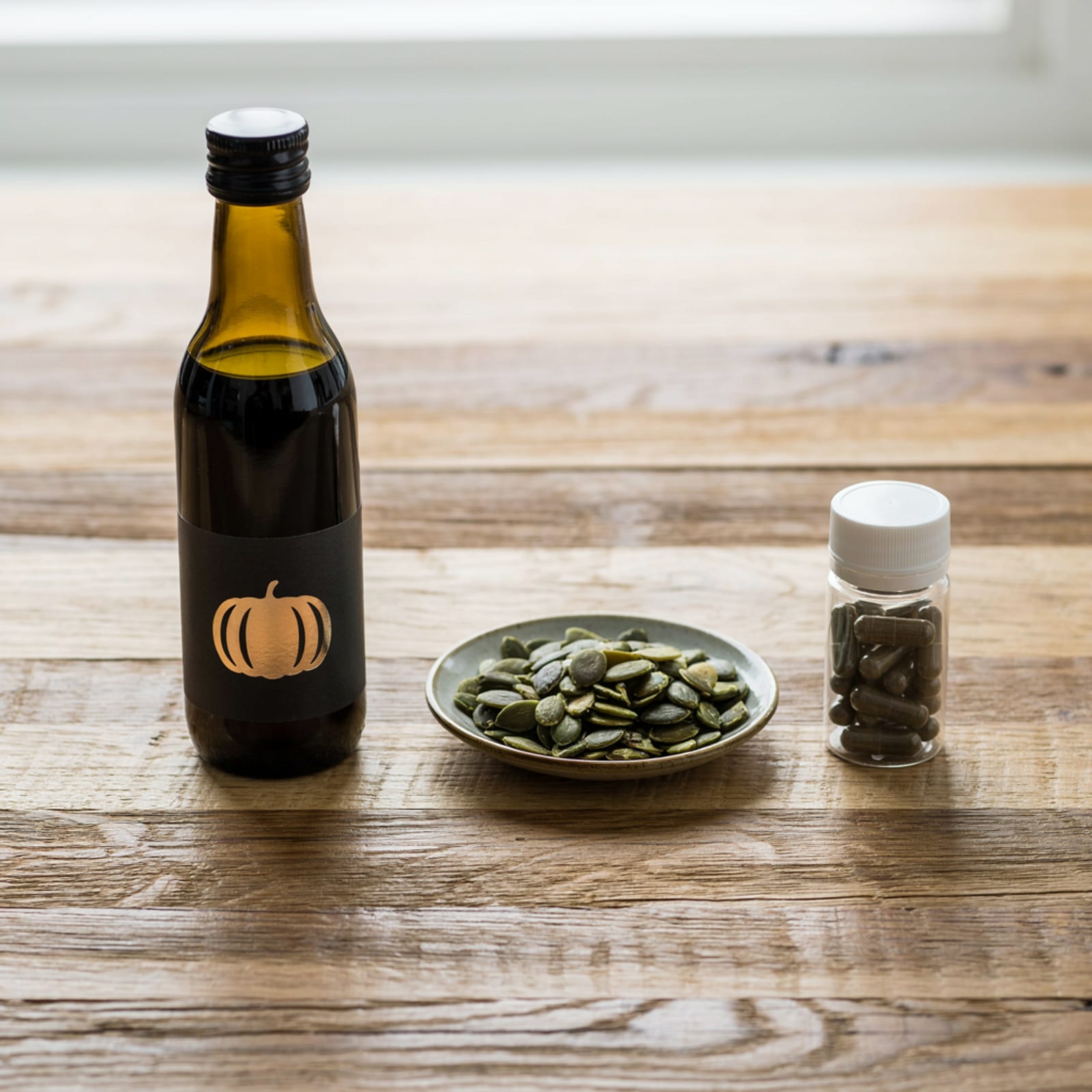
No meaningful evidence suggests pumpkin seed oil is more or less likely to trigger reflux than other dietary fats of similar richness; the mechanism described above applies to fat intake broadly, not to this oil's specific composition. Its distinctive roasted flavour also means people sometimes use it more generously than a neutral cooking oil, simply because it tastes good — which can inadvertently increase the fat load of a meal beyond what someone with reflux sensitivity can comfortably tolerate. Portion and pairing matter here more than the specific oil chosen.
Practical Ways People Manage This
Anyone whose reflux is aggravated by fat generally finds it easier to use rich oils like this one in smaller amounts, as a finishing drizzle rather than a cooking fat, and to avoid combining it with other heavy, fatty elements in the same meal. Eating slowly, avoiding large portions close to bedtime, and staying upright for a while after a rich meal are standard, general reflux-management habits that apply here as much as anywhere else. None of this is a treatment for a diagnosed reflux condition — it is ordinary dietary common sense that some people find helpful.
What About the Roasted Versus Cold-Pressed Difference
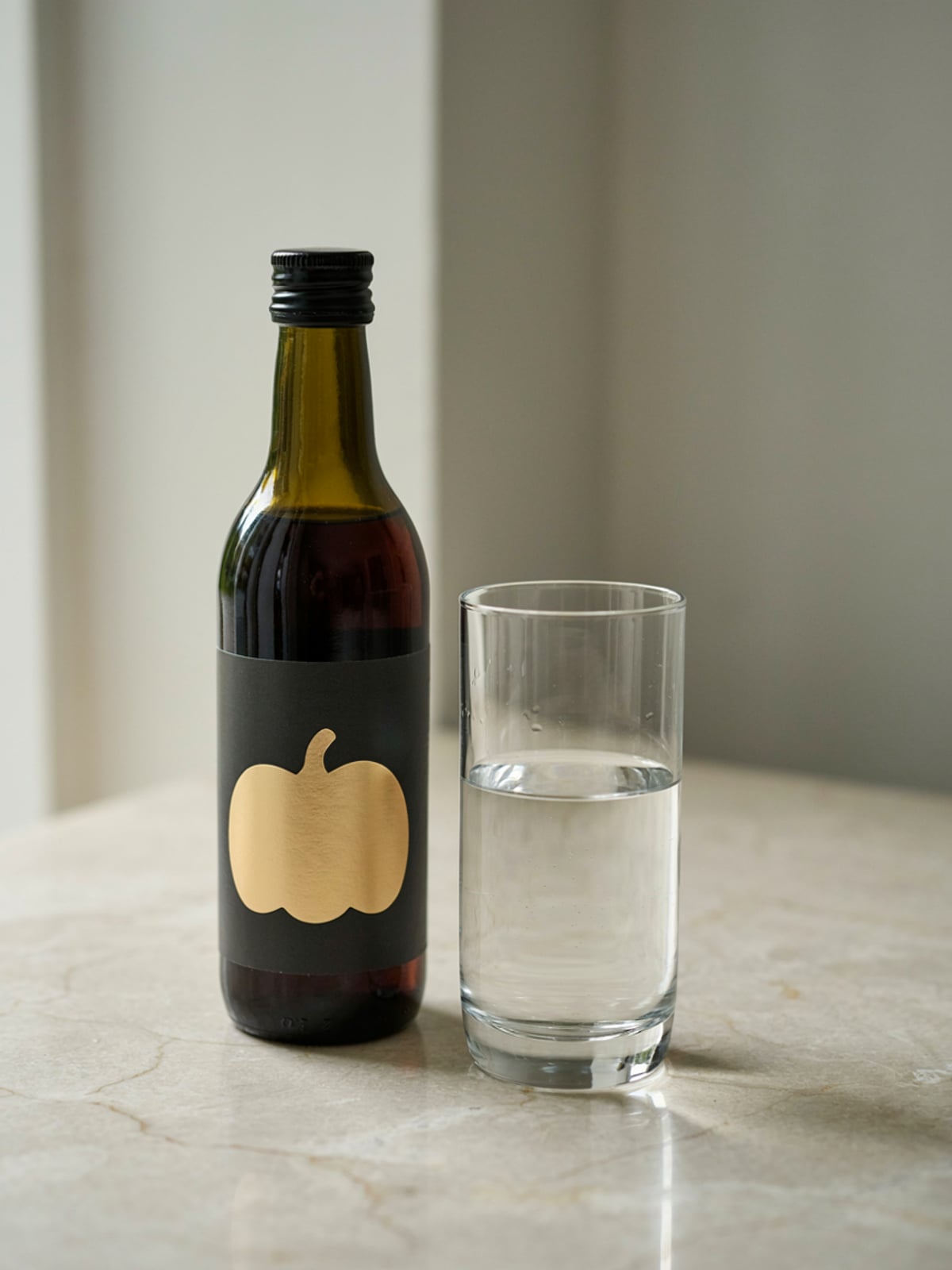
Some readers wonder whether the roasting step used to make the dark, traditional Styrian-style oil makes it more or less reflux-friendly than a raw, cold-pressed pumpkin seed oil. There is no specific evidence that roasting changes how the fat itself interacts with the oesophageal sphincter — the fat content, not the roasting, is the relevant variable for reflux — though a more intensely flavoured oil might simply encourage smaller portions, which could help some people manage a sensitive stomach almost by accident.
When Heartburn Needs a Doctor
Occasional heartburn after a rich meal is common and usually not a medical emergency, but frequent, severe, or worsening reflux — especially with difficulty swallowing, unexplained weight loss, or symptoms that disrupt sleep — should be evaluated by a doctor rather than managed through diet trial and error alone, since these patterns can indicate conditions that need proper diagnosis and treatment. For general digestive comfort rather than reflux specifically, the digestion article covers a broader picture of how the oil interacts with the gut, and everyday serving and storage questions are answered in the kitchen guide.
Order dark-roasted Styrian seed oil
Shop now